
Burnham Defends EU Reset Strategy Amid Cabinet Discord and Conservative Criticism
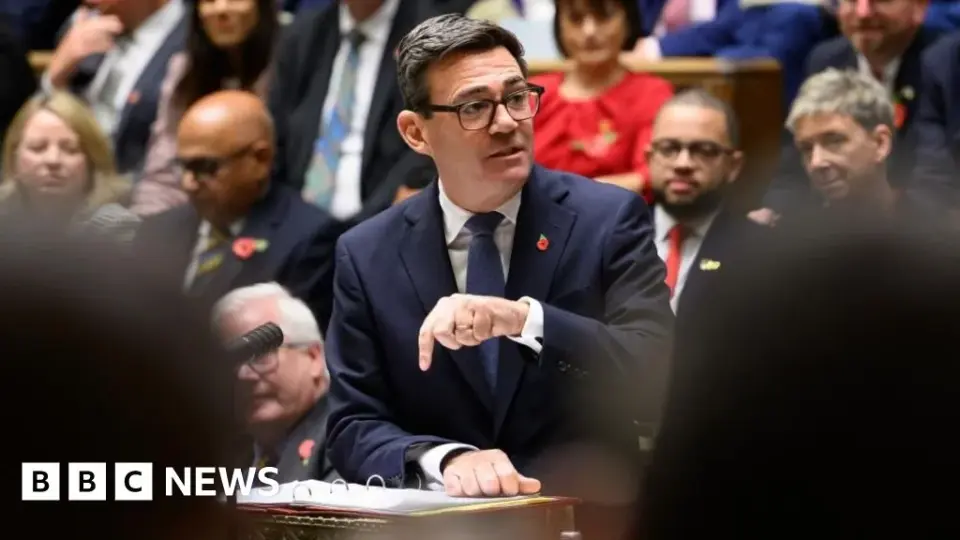
UK Prime Minister Andy Burnham has intensified the debate over the UK’s relationship with the European Union, insisting there is 'no confusion' regarding his stance despite recent contradictory statements. While he maintains that fundamental changes like rejoining the EU are for a future parliament, he is pushing for a 'reset' of the 2020 trade deal at a November 20 summit in Brussels. Burnham has instructed cabinet ministers to remain disciplined and avoid public speculation on the outcome, a move prompted by concerns from figures like Home Secretary Shabana Mahmood. Conservative leader Kemi Badenoch has accused Burnham of disrespecting the 2016 vote, while the Prime Minister argues the current deal has resulted in lower growth and weaker immigration control than promised.
Key points
- Burnham stated that the UK’s current EU deal, ratified in 2020, is inadequate and has led to a 'harder Brexit' than promised in 2016.
- The Prime Minister plans to discuss a limited reset at a Brussels summit on November 20, focusing on youth mobility, food, energy, and illegal immigration cooperation.
- Burnham wrote to cabinet ministers, warning them not to advocate for specific options or opine on the process to maintain collective responsibility.
- He clarified that any fundamental change to the relationship, such as rejoining the single market, would require a public decision in the next parliament, not the current one.
- Conservative leader Kemi Badenoch criticized Burnham for creating confusion and failing to respect the 2016 referendum result during Prime Minister's Questions.
Background
This development follows Burnham’s recent comments suggesting a potential referendum on returning to EU freedom of movement, which Downing Street subsequently appeared to backtrack on. It also follows the Makerfield by-election, where Burnham pledged not to 're-run' the Brexit debate. The current controversy is part of a broader trend where UK governments have avoided reopening the Brexit debate for a decade, with previous leaders like Keir Starmer pledging to maintain the status quo.
How outlets are covering it
Outlets highlight different aspects of the controversy. BBC and The Guardian focus on the internal government discipline, noting that Burnham’s letter to ministers was a response to concerns from figures like Home Secretary Shabana Mahmood regarding freedom of movement. AP News emphasizes the broader political risk, noting that while public support for Brexit has declined, Burnham faces significant resistance within his own Labour Party and cabinet. The Independent offers a more analytical view, arguing that the economic damage of Brexit justifies the debate, while noting that Burnham’s position remains ambiguous. All sources agree that the November 20 summit is a critical juncture, but they differ on whether Burnham’s strategy is a pragmatic reset or a political miscalculation.
Why it matters
The outcome of the November 20 summit and the subsequent '10-year plan' will determine the UK’s economic and political relationship with its largest trading partner. Burnham’s ability to manage internal party dissent and public opinion on this issue will test his leadership and could influence the next general election, which must be held by 2029. The debate also highlights the ongoing economic consequences of Brexit, including low growth and immigration control issues, which remain central to UK policy.
What to watch
Burnham will attend the UK-EU summit in Brussels on November 20 to discuss a limited reset of relations. Following the summit, he is expected to set out the next steps for a long-term review of the UK-EU relationship as part of a 10-year plan. The government will continue to manage internal cabinet disagreements and public opinion on the issue, with any fundamental changes deferred to the next parliament.
- Burnham insists 'no confusion at all' over his Brexit position BBC
- Burnham reignites Britain’s divisive Brexit debate with his push for closer EU ties AP News
- Tory Brexit was ‘harder’ than promised in EU referendum, says Andy Burnham The Guardian
- Now Britain knows the cost of Brexit, we can finally discuss it properly The Independent
- UK PM Burnham says election not coming 'any time soon' Reuters
Want the full story? Read the original reporting
Read on BBC