
Burnham’s First Commons Address: Public Control vs. Funding Fears
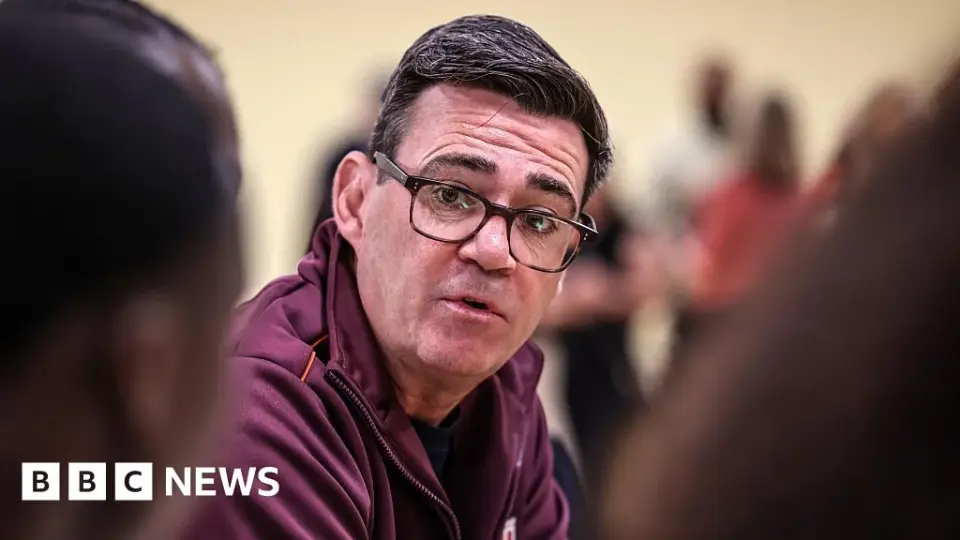
Andy Burnham returns to the House of Commons on Tuesday for his first statement as Prime Minister, marking the end of his summer policy tour. He will argue that bringing utilities and transport back under public control is essential for economic growth and affordability. The session will face intense scrutiny from opposition parties, particularly the Conservatives, who have reshuffled their shadow cabinet to attack Labour’s funding plans. Burnham must also navigate complex foreign policy challenges, including North Sea drilling decisions and relations with the US administration.
Key points
- Burnham will address MPs on Tuesday, six weeks after becoming PM, to outline his government’s direction and face questions on cost-of-living measures like the £2 bus fare cap and VAT cuts on energy.
- The Prime Minister will prioritize bringing privatized services, such as water and energy, back under public control, arguing this will unlock investment and lower costs for families.
- Conservative leader Kemi Badenoch replaced shadow chancellor Mel Stride with Andrew Griffith to sharpen attacks on Labour’s economic credibility, citing Griffith’s business background and past role in Liz Truss’s government.
- Burnham faces a £4.7bn gap in defense spending inherited from Keir Starmer and must decide on North Sea oil and gas drilling, a move supported by the US but opposed by Greens and some Labour MPs.
- Foreign Secretary Ed Miliband is preparing a statement on Israeli settlements in the West Bank, risking diplomatic friction with the US, while Burnham prepares for a potential meeting with Donald Trump at the UN General Assembly.
Background
Burnham assumed office in July 2026 after Keir Starmer stepped down, becoming the UK’s seventh PM in a decade. His initial months were spent touring the country to unveil policies, avoiding direct parliamentary scrutiny due to the summer recess. This return to Westminster marks the transition from campaigning to legislative governance.
How outlets are covering it
The BBC and The Guardian emphasize Burnham’s focus on public ownership as a solution to cost-of-living issues, with The Guardian noting his plan to make it easier to take struggling utilities like Thames Water into government control. The Financial Times, though largely behind a paywall, suggests Burnham has been quietly backing away from some radical pledges. POLITICO highlights the external pressures, particularly from the US administration, regarding North Sea drilling, defense spending, and the Chagos Islands deal. Opposition perspectives are sharp: Conservatives question the funding for Labour’s plans, while the Liberal Democrats and Greens criticize the pace and scope of reforms, with the Greens calling public control measures 'just tinkering.'
Why it matters
This address sets the legislative agenda for Burnham’s government, determining how he will balance domestic economic reforms with international obligations. The outcome of the North Sea drilling decision and the defense budget will signal his ability to manage both domestic discontent and geopolitical pressures, particularly regarding US relations.
What to watch
Burnham will face his first Prime Minister’s Questions on Wednesday. He is expected to attend the UN General Assembly in late September, potentially meeting Donald Trump. A final decision on North Sea drilling is anticipated in September, and the Labour Party conference will test his support among grassroots members on issues like Israeli settlements and electoral reform.
- Andy Burnham to face Parliament as prime minister for first time BBC
- More public control is the way to grow UK economy, Burnham to tell MPs The Guardian
- Labour Angst Over Migrants and Welfare Will Test Burnham’s Backbone Bloomberg.com
- The Trump-shaped problems awaiting Andy Burnham, ranked politico.eu
- Andy Burnham’s summer of quietly backing away from radical pledges Financial Times
Want the full story? Read the original reporting
Read on BBC