
Burnham’s debut Commons address blames Brexit and Thatcher for UK stagnation
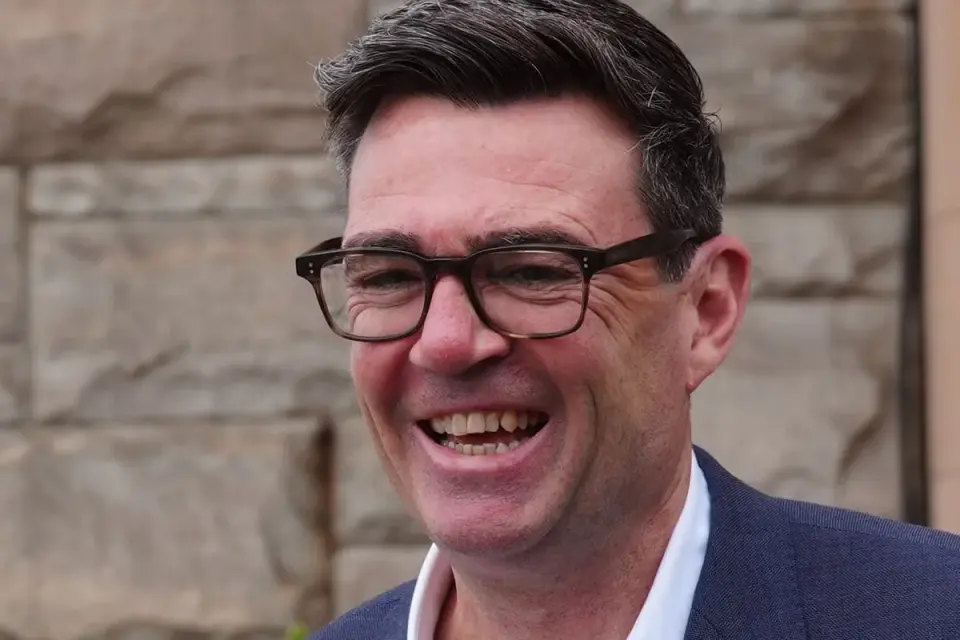
In his first Commons address as Prime Minister, Andy Burnham blamed Brexit and 1980s privatization for a decade of low growth, promising greater state control of utilities and a 3% defense spending target. The speech sparked immediate criticism from Conservative leader Kemi Badenoch and concerns over rising borrowing costs.
Key points
- Burnham stated that Brexit compounded the damage of 1980s privatization and austerity, causing a decade of low growth.
- The Prime Minister pledged to increase public control over water, energy, and housing to reduce costs for households.
- Burnham confirmed he would meet the NATO target of 3.5% of GDP for defense spending by 2035.
- Conservative leader Kemi Badenoch accused Burnham of wanting to return the UK to the 1970s through increased state spending.
- The 10-year gilt yield rose to 5.21%, its highest level since 2008, amid concerns over fiscal policy.
Background
Burnham succeeded Keir Starmer as Prime Minister in July 2026. Starmer announced his resignation as an MP shortly before Burnham's speech, triggering a by-election in the Holborn and St Pancras seat. The archive contains no relevant background on UK politics, only unrelated US and Texas incidents.
How outlets are covering it
The Independent and The Guardian emphasized Burnham’s critique of Brexit and Thatcher, framing his speech as a call for honesty and public control. The Financial Times focused on market reactions, noting that Lord Jim O’Neill warned the speech would destabilize bond markets. The BBC highlighted the clash with Kemi Badenoch, who accused Burnham of profligate spending. While all outlets agreed on the content of the speech, they differed on the emphasis: The Independent and Guardian focused on the political narrative, while the FT and BBC focused on economic and fiscal consequences.
Why it matters
The speech sets the tone for Burnham’s government and signals a shift toward greater state intervention in the economy. It also highlights the tension between fiscal discipline and public spending, which could affect borrowing costs and the upcoming Budget.
What to watch
Burnham will deliver his first Budget on 28 October, which will test his commitment to fiscal discipline. He will also attend the COP31 climate summit in Turkey in November and hold a UK-EU reset summit in the coming months.
- Burnham says Brexit was a ‘wrong turn’ in first Commons address as PM The Independent
- Burnham blames Brexit and Thatcher for ‘wrong turns’ in first Commons speech as PM The Guardian
- Andy Burnham accused of taking Britain back to the 1970s Financial Times
- Burnham pledges devolution deals and 'stronger public control' of services in first address to MPs bbc.com
- Andy Burnham addresses Commons for first time as PM — as it happened The Times
Want the full story? Read the original reporting
Read on The Independent