
Burnham pledges electoral reform commission in first PM speech
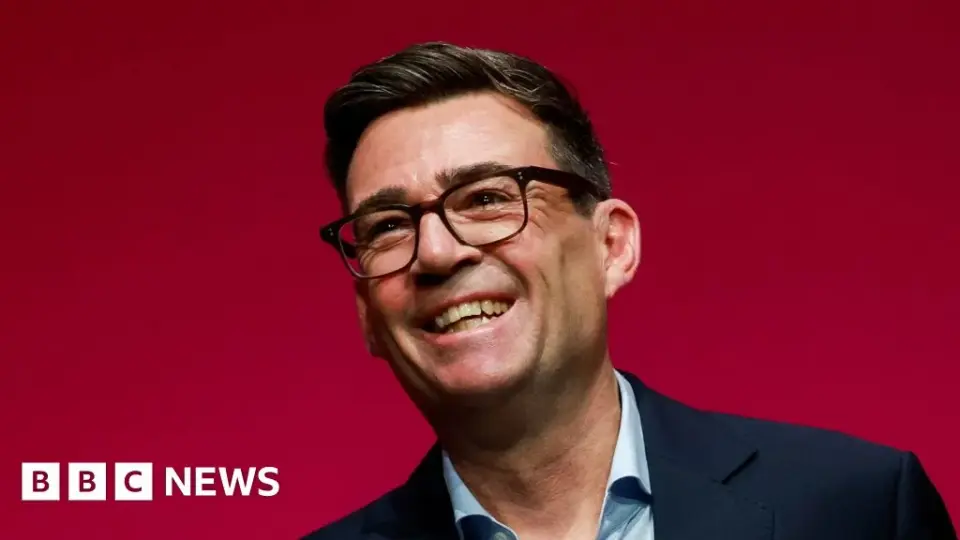
Andy Burnham has announced that Labour will campaign on changing the UK's first-past-the-post voting system in the next general election. He proposed a national commission to explore proportional representation models, aiming to ensure every vote counts. The move follows Labour's 2024 victory with only 34% of the vote, highlighting the system's fragmentation. While the Liberal Democrats support reform, Conservative and Reform UK leaders expressed skepticism, and some Labour MPs remain opposed.
Key points
- Burnham pledged to fight the next election on changing the UK voting system.
- He proposed a national commission to explore electoral reform options.
- The move addresses concerns over Labour's 2024 majority with only 34% vote share.
- Liberal Democrats support reform, while Conservatives and Reform UK are skeptical.
- Some Labour MPs, including deputy leader Lucy Powell, expressed mixed views on the specific model.
Background
The UK's first-past-the-post system has faced increasing scrutiny as political fragmentation grows. In 2024, Labour won a large parliamentary majority with just 34% of the vote, intensifying debates about electoral fairness. Previous attempts to reform the system, including support from around 100 Labour MPs for a commission, have been part of ongoing discussions. Burnham, who previously supported proportional representation as mayor of Greater Manchester, now pushes for a broader national debate.
How outlets are covering it
BBC reports Burnham's pledge as a significant shift, noting his invitation to other parties to collaborate on the commission. The Guardian frames the speech as a bold, personal departure from traditional political rhetoric, emphasizing Burnham's willingness to challenge the status quo despite potential political risks. The Telegraph's source was inaccessible, but BBC notes that while the Liberal Democrats support reform, the Conservatives are likely to resist, and Reform UK leader Nigel Farage downplayed its urgency. Within Labour, deputy leader Lucy Powell acknowledged mixed support, highlighting that while she backs reform, she did not specify a preferred model.
Why it matters
Electoral reform could reshape UK politics by addressing perceived inequities in the current system. If implemented, changes could alter party dynamics, potentially reducing the dominance of major parties and increasing representation for smaller parties. This move signals a potential shift in Labour's platform and could influence future coalition dynamics and public trust in democratic processes.
What to watch
The next steps include the formation of the national commission, though Burnham did not specify its leadership or timeline. The commission will likely explore various models, including proportional representation, single transferable vote, and additional member systems. Political parties will need to engage in debates, with the Liberal Democrats likely supporting reform and Conservatives resisting. The outcome could influence Labour's manifesto for the next election, potentially reshaping the UK's political landscape.
- Andy Burnham to fight next election on pledge to change voting system BBC
- ‘I Have to Break the Mold’: Burnham Lays Out Plan for Change in Emotional Speech The New York Times
- Conference laps up Andy unplugged as he offers chance to take road less travelled | John Crace The Guardian
- You might hate his Oprah Winfrey style, but Burnham’s sofa socialism may win ratings war The Telegraph
- Andy Burnham gets bold at last The Economist
Want the full story? Read the original reporting
Read on BBC