
Canada’s $500B Defense Push Aims to Triple Industry Size Amid US Tensions
Canada is launching a massive defense industrial strategy to reduce reliance on the US, aiming to triple its defense sector and create 125,000 jobs over the next decade. The plan involves over half a trillion dollars in investment, prioritizing Arctic sovereignty, robotics, and partnerships with European allies like Sweden and Germany. While startups see new opportunities in dual-use technology, challenges remain, including competition from larger US firms and potential political opposition to increased spending.
Key points
- Ottawa’s strategy targets a tripling of the defense industry size within ten years, backed by more than half a trillion dollars in investment.
- The plan aims to create 125,000 jobs and diversify suppliers away from US contractors toward European allies.
- Recent deals include purchasing radar planes from Sweden’s Saab and submarines from Germany’s ThyssenKrupp.
- Prime Minister Mark Carney has emphasized upgrading Arctic military capabilities to assert sovereignty in the contested region.
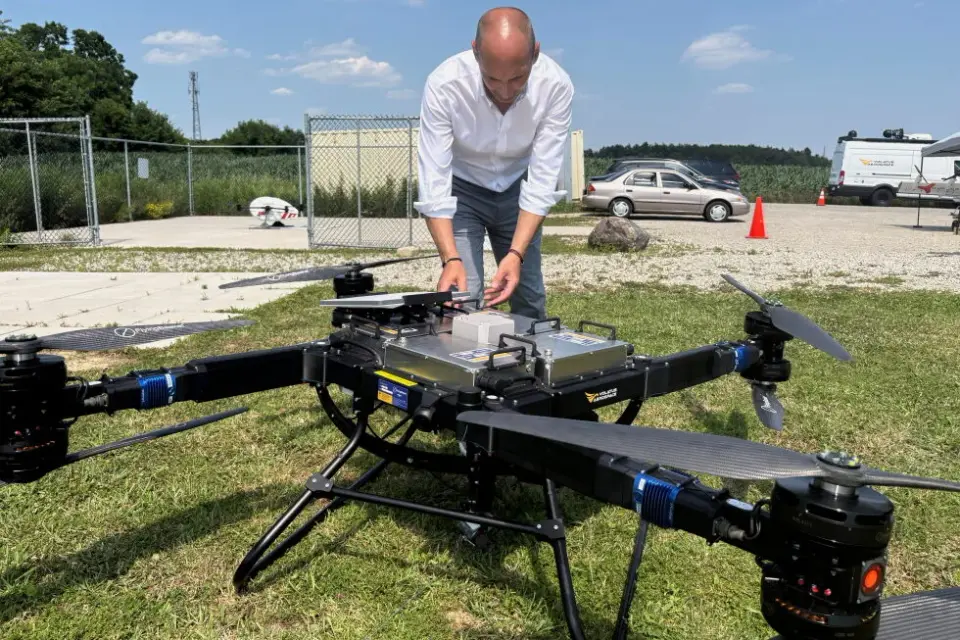
- Startups like New Frontier Robotics and Volatus Aerospace are developing dual-use technologies for both military and civilian applications.
- Challenges include competing with larger US R&D budgets and the risk of political backlash against increased defense spending.
Background
This move follows Canada’s recent decision to join the Global Combat Air Program (GCAP) as an observer, signaling a broader effort to diversify defense partnerships away from the US. Earlier tensions with the US, including disputes over lake naming and trade, have underscored the need for independent defense capabilities. The current strategy builds on these diplomatic shifts, focusing on strengthening domestic and European industrial ties to ensure long-term security and technological independence.
Why it matters
Canada’s defense industrial expansion reshapes North American security dynamics, reducing dependence on US suppliers and strengthening ties with European allies. It also creates new economic opportunities for domestic startups and highlights the strategic importance of the Arctic in global geopolitics. However, the success of this strategy depends on overcoming competitive disadvantages and political resistance to increased military spending.
What to watch
Ottawa will likely continue pursuing contracts with European defense firms and investing in domestic R&D for robotics and aerospace. The political viability of the spending plan will be tested in future elections, while startups may face competition from larger US companies. Monitoring Canada’s progress in Arctic infrastructure and dual-use technology development will be key to assessing the strategy’s impact.
Want the full story? Read the original reporting
Read on AP News