
Caribbean Nations Draft Legal and Diplomatic Strategy to Force UK Slavery Reparations Talks
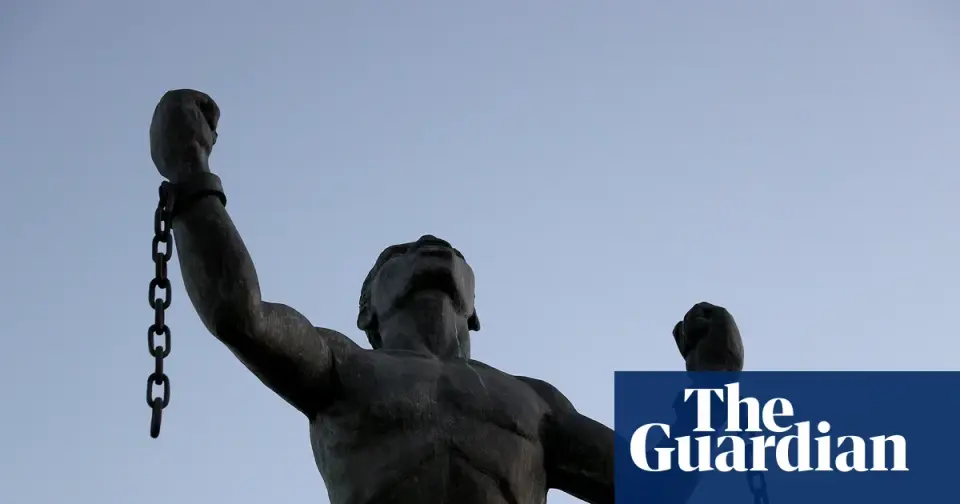
Caribbean leaders are drafting a unified action plan to pressure the UK into negotiating slavery reparations, combining diplomatic appeals at upcoming summits with potential legal challenges in international courts. The strategy follows a UN resolution declaring chattel slavery a crime against humanity and a recent Jamaican petition to the Privy Council.
Key points
- Caricom nations are developing a multi-pronged strategy to push the UK into negotiations, utilizing both diplomatic channels and legal avenues.
- The UK government has reiterated its stance that it will not pay reparations, but Caribbean officials argue that UN conventions create a binding legal obligation for redress.
- Jamaica has filed a petition with the Judicial Committee of the Privy Council, asking for a ruling on whether slavery violated English common law and international law.
- Barbados Prime Minister Mia Mottley emphasized that the goal is justice, not financial ruin, citing a report that Britain stole 25 million years of labor from the island.
- The strategy aims to leverage the March 2026 UN resolution, which 123 nations voted to recognize chattel slavery as the gravest crime against humanity.
Background
This development follows earlier reports in September 2026 regarding Jamaica's petition to King Charles and the Privy Council, as well as Ghana's leadership in the global reparations debate. The current action plan builds on these previous legal and diplomatic attempts to secure accountability from Western powers for the transatlantic slave trade.
How outlets are covering it
The Guardian highlights the legal arguments that the UK's signature on UN conventions creates a binding obligation for reparations, while Barbados Today emphasizes the psychological and economic consequences of colonialism that persist today. The Telegraph source was inaccessible due to a security block, so no perspective could be extracted from it. Jamaica Observer's content was obscured by technical code, preventing analysis of its specific stance, though the Guardian notes Jamaica's specific legal strategy via the Privy Council. All accessible sources agree on the shift from advocacy to concrete action, but differ in emphasis: The Guardian focuses on the legal binding nature of UN conventions, while Barbados Today focuses on the social impact and the need for public participation.
Why it matters
This coordinated approach by Caribbean nations marks a significant escalation in the decades-long reparations debate, moving from symbolic recognition to potential legal enforcement. If successful, it could set a precedent for other nations seeking redress for historical injustices and challenge the UK's long-standing refusal to engage in reparations discussions.
What to watch
Caribbean leaders expect to present this action plan at upcoming Commonwealth and UN summits. If diplomatic efforts fail, they may proceed with legal challenges in international courts, including seeking an advisory opinion from the International Court of Justice. The outcome of Jamaica's Privy Council petition will also be a key indicator of the legal viability of their claims.
- Caribbean nations draft action plan to push UK to redress reparations over slavery The Guardian
- If UK pays slavery reparations, will I pay too? The Times
- Britain faces racism lawsuit from Caribbean nations over slavery The Telegraph
- Jamaica’s slavery petition packed with years of research Jamaica Observer
- ‘We have no desire to bankrupt anybody, but we have a desire for justice’: Reparations movement pushes towards action Barbados Today
Want the full story? Read the original reporting
Read on The Guardian