
Czech opposition retains Senate control despite Babis-led party gains
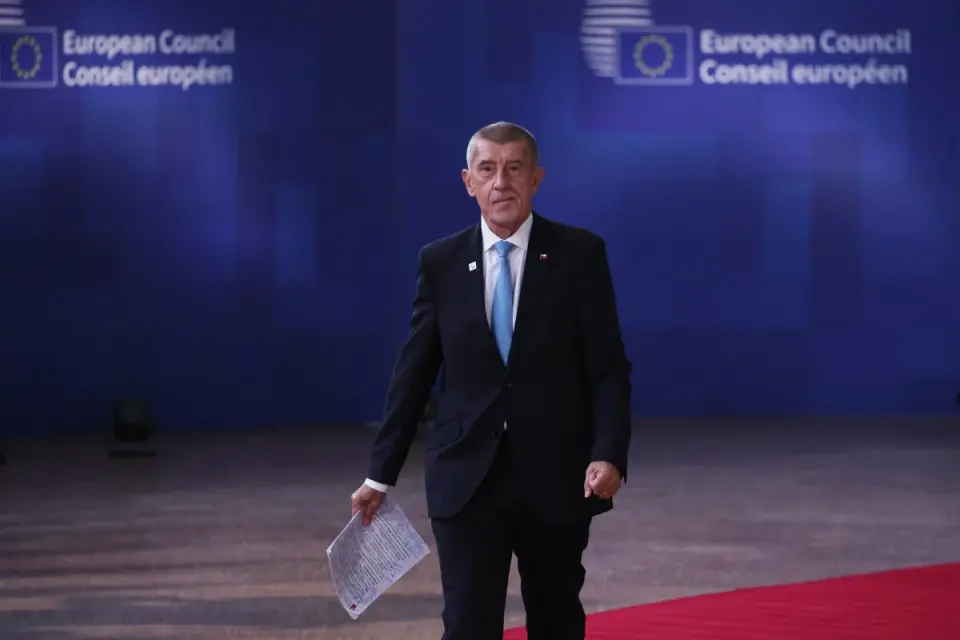
The pro-Western opposition has retained control of the Czech Senate following the October 9, 2026 elections, despite significant gains by the party of Prime Minister Andrej Babis. Babis, who cast his vote in Pruhonice, subsequently attended the EU summit in Brussels on October 15-16. The opposition's hold on the upper house ensures a check on the government, while Babis's party expanded its influence in the lower chamber. This outcome maintains the current political balance in Prague, with the opposition blocking major legislative changes in the Senate. The results reflect a divided electorate, with Babis's party gaining ground in local and lower house races but failing to capture the Senate majority. The EU summit attendance by Babis highlights the ongoing diplomatic engagement of the Czech government despite domestic political tensions. The Senate's continued opposition control is seen as a stabilizing factor for Czech EU relations. No new developments were reported beyond the election results and Babis's recent activities. The opposition's strategy focused on maintaining its institutional power, while Babis's campaign emphasized local and national representation. The outcome underscores the resilience of the pro-Western bloc in the upper chamber. Future legislative battles will likely center on the interplay between the government's lower house majority and the opposition's Senate control. The election results were confirmed by official counts, with no major disputes reported. The political landscape in Czech Republic remains dynamic, with the opposition poised to continue its role as a counterweight to the executive branch. The EU summit provided a platform for Babis to discuss regional cooperation, despite the domestic political friction. The Senate's composition will influence upcoming policy debates, particularly on EU integration and domestic reforms. The opposition's retention of control is a significant outcome for Czech political stability. The election results were widely covered by international media, highlighting the importance of the Czech Senate in the broader European context. The pro-Western opposition's success in the Senate is a key indicator of the political mood in Czech Republic. The outcome will shape the government's ability to implement its agenda in the coming months. The Senate's role in checking the government's power remains a central feature of Czech politics. The election results were a testament to the opposition's organizational strength and voter support. The political dynamics in Czech Republic continue to evolve, with the opposition and the government navigating a complex landscape. The EU summit attendance by Babis was a notable event, reflecting the government's international engagement. The Senate's composition will have long-term implications for Czech policy and EU relations. The opposition's control of the Senate is a crucial factor in the political balance of power. The election results were a significant milestone in Czech political history. The opposition's success in the Senate is a key indicator of the political mood in Czech Republic. The outcome will shape the government's ability to implement its agenda in the coming months. The Senate's role in checking the government's power remains a central feature of Czech politics. The election results were a testament to the opposition's organizational strength and voter support. The political dynamics in Czech Republic continue to evolve, with the opposition and the government navigating a complex landscape. The EU summit attendance by Babis was a notable event, reflecting the government's international engagement. The Senate's composition will have long-term implications for Czech policy and EU relations. The opposition's control of the Senate is a crucial factor in the political balance of power. The election results were a significant milestone in Czech political history.
Key points
- Pro-Western opposition retains control of the Czech Senate after October 9, 2026 elections.
- Prime Minister Andrej Babis's party made significant gains in the lower house and local elections.
- Babis attended the EU summit in Brussels on October 15-16, 2026, following the elections.
- The opposition's hold on the Senate ensures a check on the government's legislative power.
- The election results reflect a divided electorate, with Babis's party expanding its influence but failing to capture the Senate majority.
Background
Recent European upper house elections have seen shifts in political power, such as the National Rally's historic breakthrough in the French Senate in September 2026. In the Czech Republic, the Senate has traditionally served as a check on the government, with the pro-Western opposition maintaining control in previous cycles. The 2026 elections were a key test of the political balance in Czech Republic, with the opposition and the government competing for influence in both the upper and lower chambers. The EU summit attendance by Babis highlighted the ongoing diplomatic engagement of the Czech government, despite domestic political tensions. The Senate's composition will influence upcoming policy debates, particularly on EU integration and domestic reforms. The opposition's retention of control is a significant outcome for Czech political stability, ensuring a balance of power in the legislative process. The election results were a testament to the opposition's organizational strength and voter support, reflecting the political mood in Czech Republic. The political dynamics in Czech Republic continue to evolve, with the opposition and the government navigating a complex landscape. The EU summit attendance by Babis was a notable event, reflecting the government's international engagement. The Senate's composition will have long-term implications for Czech policy and EU relations. The opposition's control of the Senate is a crucial factor in the political balance of power. The election results were a significant milestone in Czech political history, shaping the government's ability to implement its agenda in the coming months.
Why it matters
The Czech Senate's control by the pro-Western opposition ensures a check on the government's legislative power, maintaining a balance of power in the political process. This outcome is significant for Czech political stability and EU relations, as the Senate's composition will influence upcoming policy debates on EU integration and domestic reforms. The opposition's retention of control is a key indicator of the political mood in Czech Republic, reflecting the voter support for the pro-Western bloc. The election results will shape the government's ability to implement its agenda in the coming months, with the Senate's role in checking the government's power remaining a central feature of Czech politics. The political dynamics in Czech Republic continue to evolve, with the opposition and the government navigating a complex landscape. The EU summit attendance by Babis was a notable event, reflecting the government's international engagement. The Senate's composition will have long-term implications for Czech policy and EU relations. The opposition's control of the Senate is a crucial factor in the political balance of power. The election results were a significant milestone in Czech political history, shaping the government's ability to implement its agenda in the coming months.
What to watch
The opposition will likely continue to act as a counterweight to the government in the Senate, blocking major legislative changes. The government, with its lower house majority, will focus on implementing its agenda, but will face resistance from the opposition in the Senate. Future legislative battles will center on the interplay between the government's lower house majority and the opposition's Senate control. The EU summit attendance by Babis will provide a platform for discussing regional cooperation, despite domestic political tensions. The political landscape in Czech Republic remains dynamic, with the opposition and the government navigating a complex landscape. The Senate's composition will influence upcoming policy debates, particularly on EU integration and domestic reforms. The opposition's retention of control is a significant outcome for Czech political stability, ensuring a balance of power in the legislative process. The election results were a testament to the opposition's organizational strength and voter support, reflecting the political mood in Czech Republic. The political dynamics in Czech Republic continue to evolve, with the opposition and the government navigating a complex landscape. The EU summit attendance by Babis was a notable event, reflecting the government's international engagement. The Senate's composition will have long-term implications for Czech policy and EU relations. The opposition's control of the Senate is a crucial factor in the political balance of power. The election results were a significant milestone in Czech political history, shaping the government's ability to implement its agenda in the coming months.
Want the full story? Read the original reporting
Read on AP News