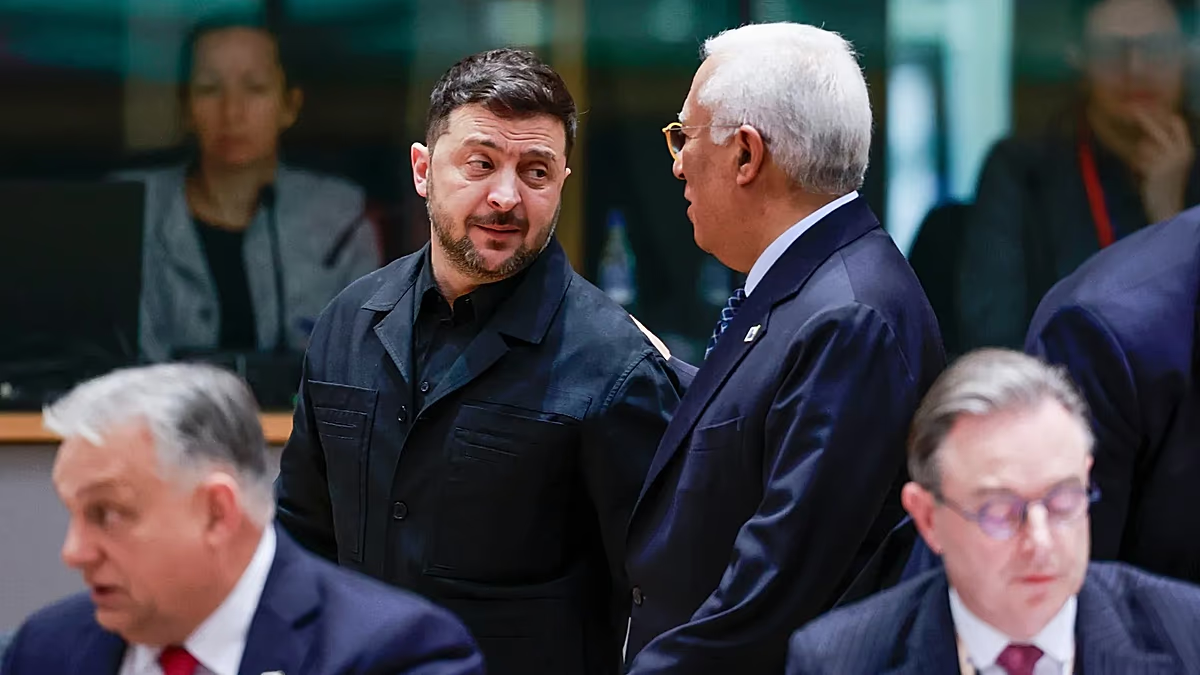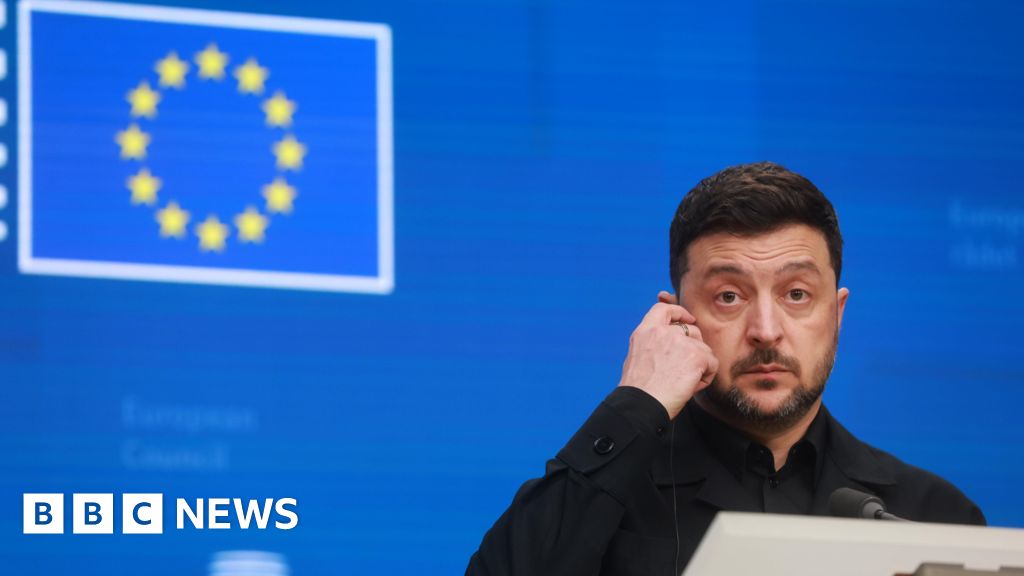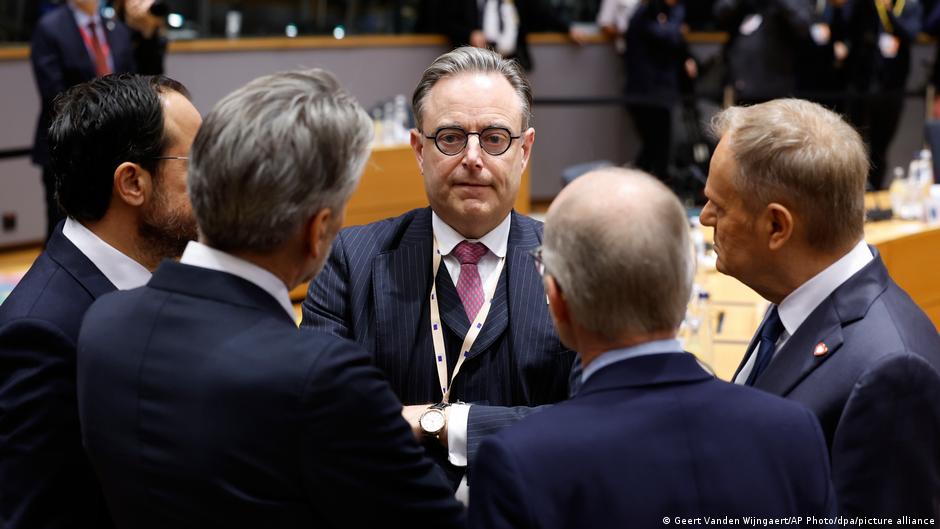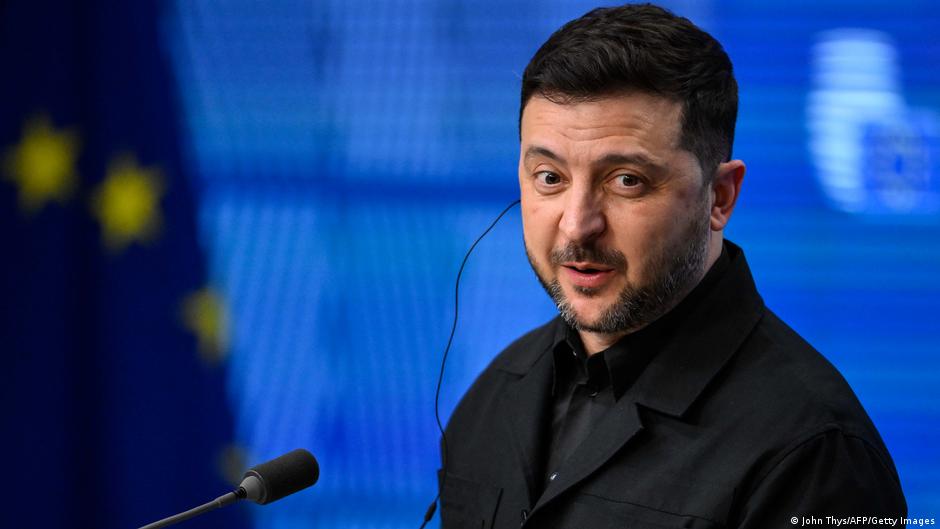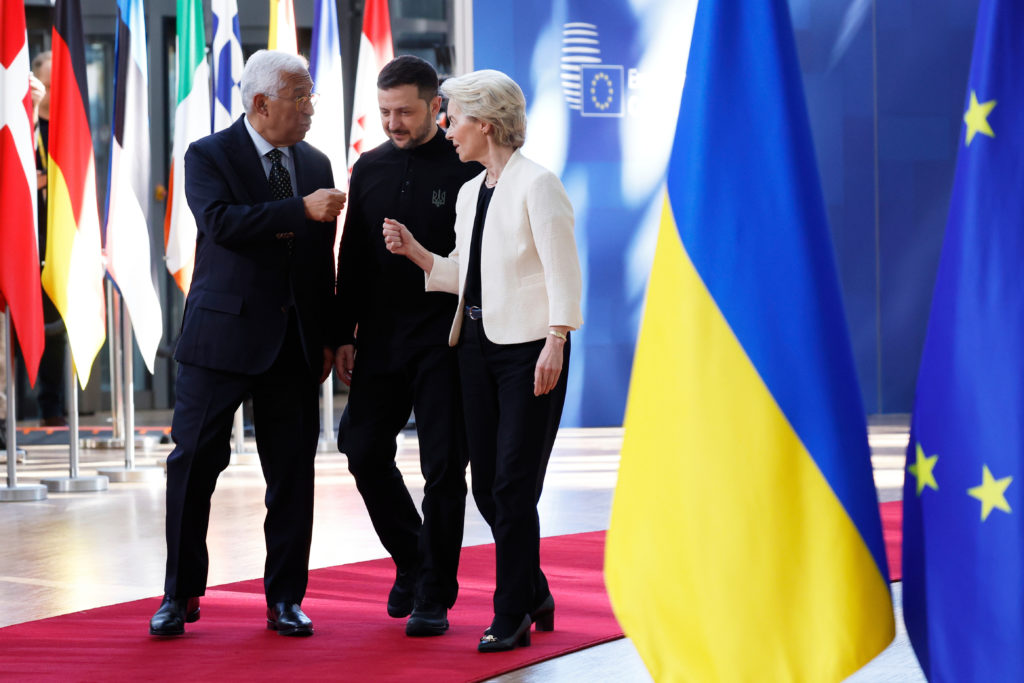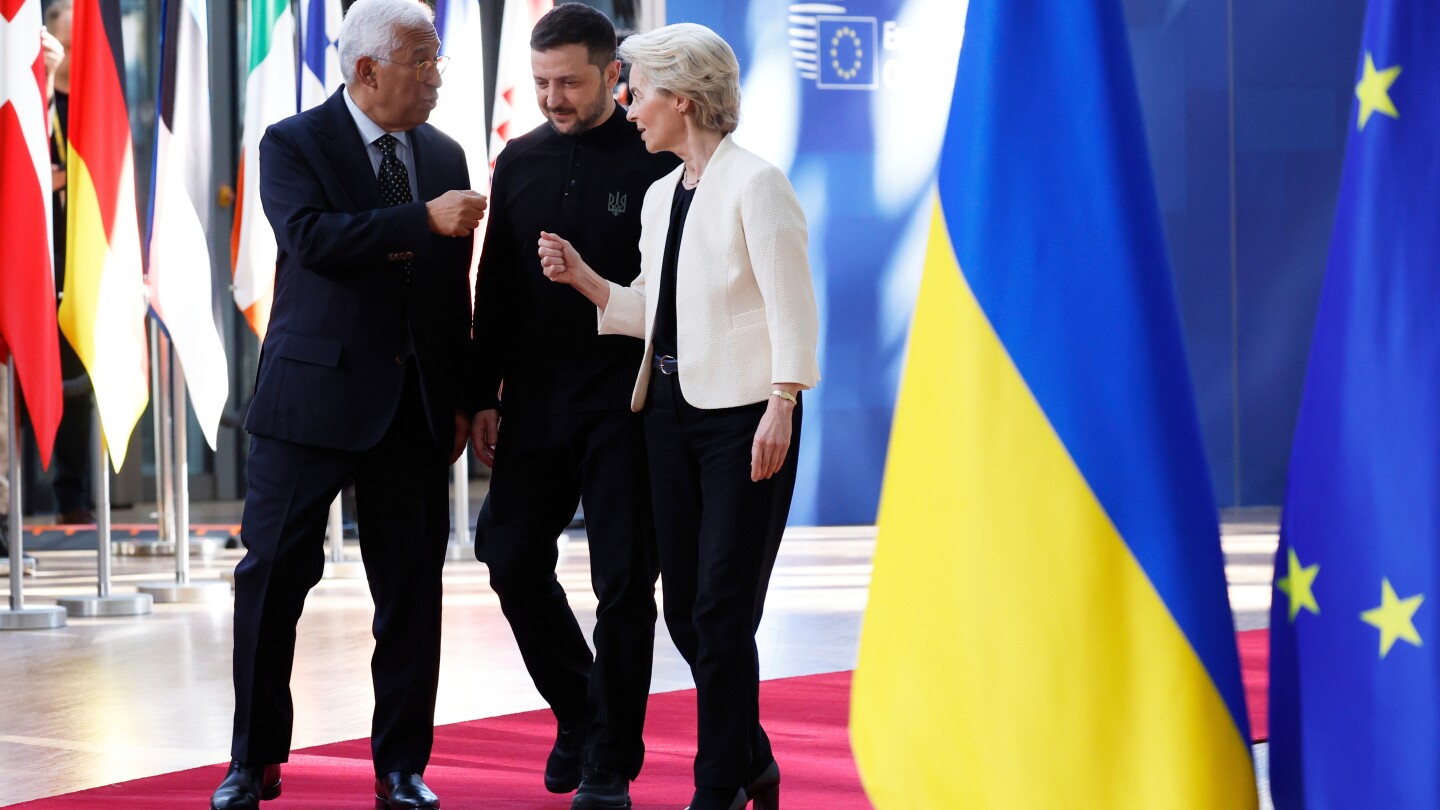
EU leaders, freed from Viktor Orbán’s shadow, admit that Europe’s problems run deeper than any single politician, debating Ukraine’s membership, energy shocks, and a contentious long-term budget ahead of a June Brussels summit.
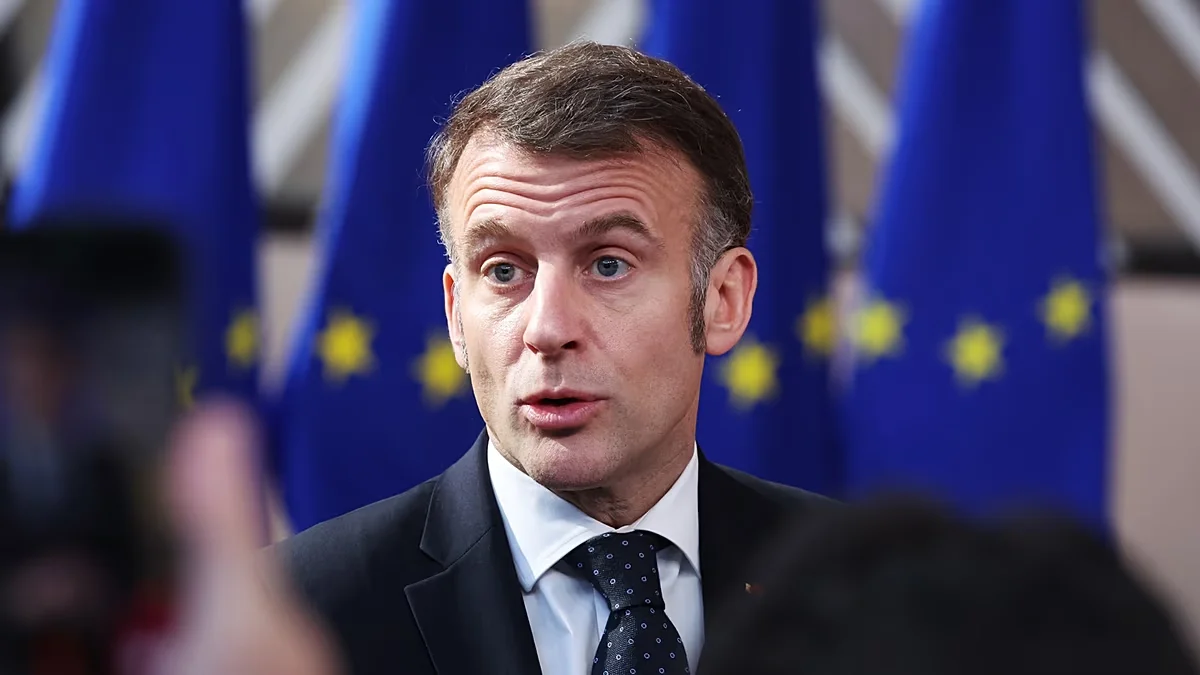
At the Cyprus summit, 29 leaders wrestled with boosting Europe’s strategic autonomy amid U.S. policy uncertainty, discussing how to operationalize Article 42.7 without undermining NATO, while pushing for a more ambitious seven-year budget and a stronger EU role in the Middle East amid energy and inflation pressures, all under the palpable influence of Donald Trump and the ongoing Iran/Middle East conflict.
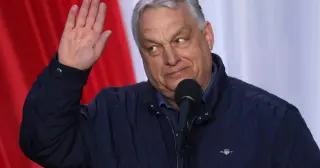
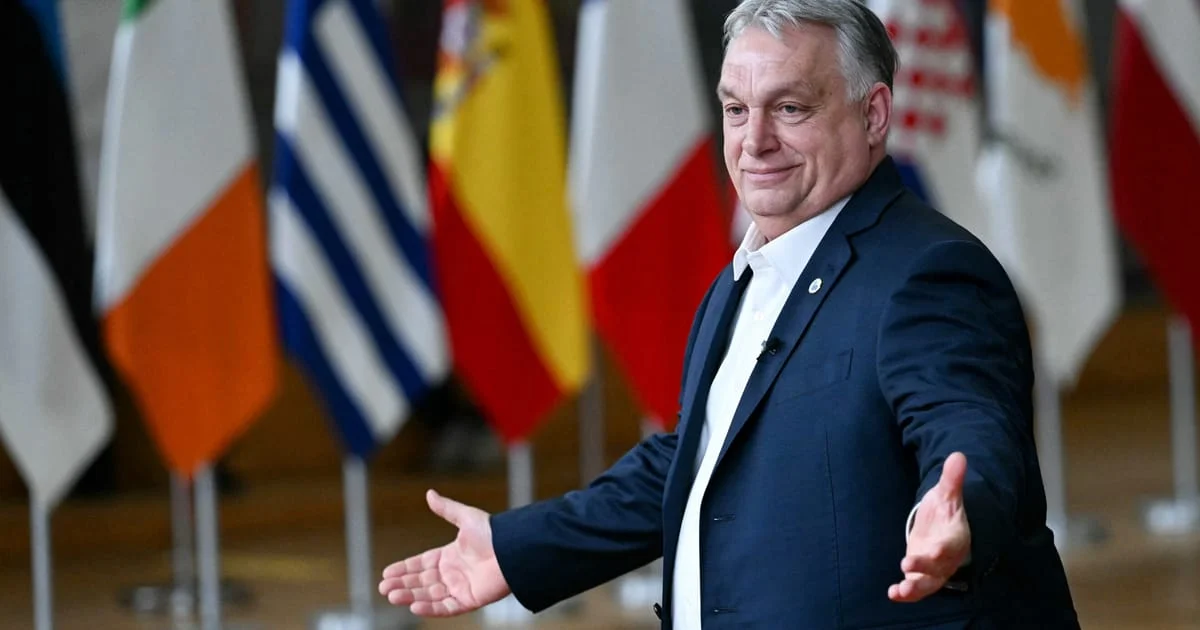
At the EU summit Viktor Orbán blocked a €90 billion loan to Ukraine, triggering anger in Brussels and a debate over whether EU leaders inadvertently boosted his campaign by portraying him as Hungary’s defender against Brussels and Kyiv. Some analysts warn the confrontation could backfire on Orbán by strengthening his anti-Brussels narrative, while others caution that prolonged tensions could hurt Hungary-EU relations and invite tougher leverage if he wins re-election.
At a high-stakes EU summit, leaders urge de-escalation in the Iran conflict, defend multilateralism, and seek relief from soaring energy prices, while Hungary’s Viktor Orbán maintains a veto on a €90 billion Ukraine loan and Germany calls for an international mandate before any Middle East involvement; discussions also focus on climate policies, the ETS, and keeping Ukraine funded amid energy-security tensions.
EU leaders initially considered a reparations loan for Ukraine based on Russian assets but ultimately abandoned the plan in favor of a joint borrowing scheme backed by the EU budget, allowing 24 member states to fund Ukraine without unanimity, amid internal disagreements and geopolitical considerations.
EU leaders agreed to raise €90bn in zero-interest loans to support Ukraine for the next two years, amid divisions over the approach and differing attitudes towards Russia, with some countries seeking exemptions and considering future use of frozen Russian assets. Ukraine also needs additional funding and hopes for support from non-EU allies and international banks.
EU leaders are debating the use of frozen Russian assets to support Ukraine, with ongoing negotiations on a reparations loan and concerns over legal and financial implications, while also discussing the postponed EU-Mercosur trade deal, long-term EU budget, and regional protests.
The EU has agreed to provide Ukraine with a €90 billion loan to support its military and budget needs, signaling a decisive stance against Russia's invasion. Meanwhile, the EU-Mercosur trade deal has been postponed to January due to opposition from farmers and member states, and discussions continue on using frozen Russian assets to fund Ukraine, with tensions and legal concerns surrounding asset seizure. Ukrainian President Zelenskyy warns of a significant aid shortfall in 2026, emphasizing the urgency of resolving asset issues.
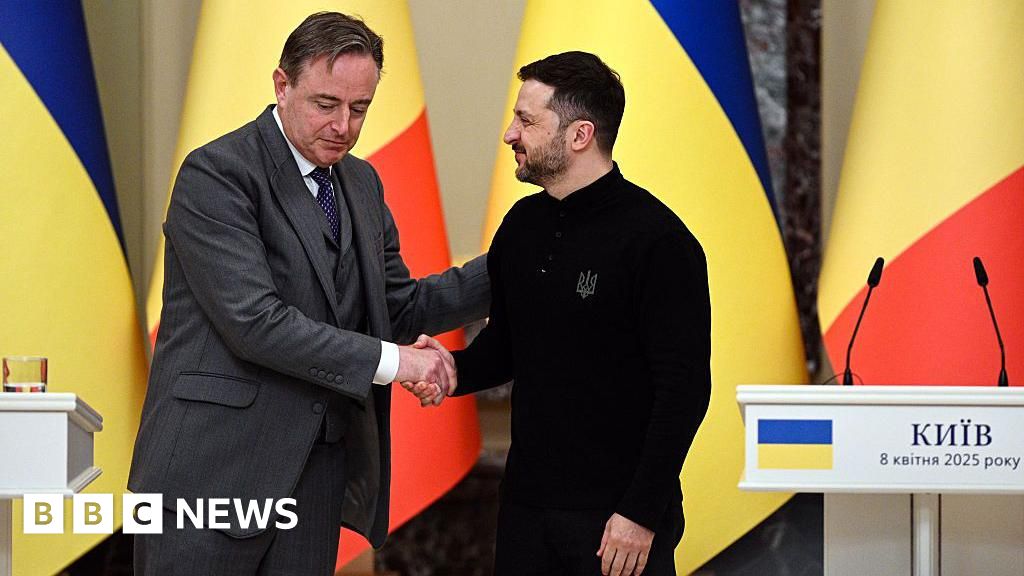
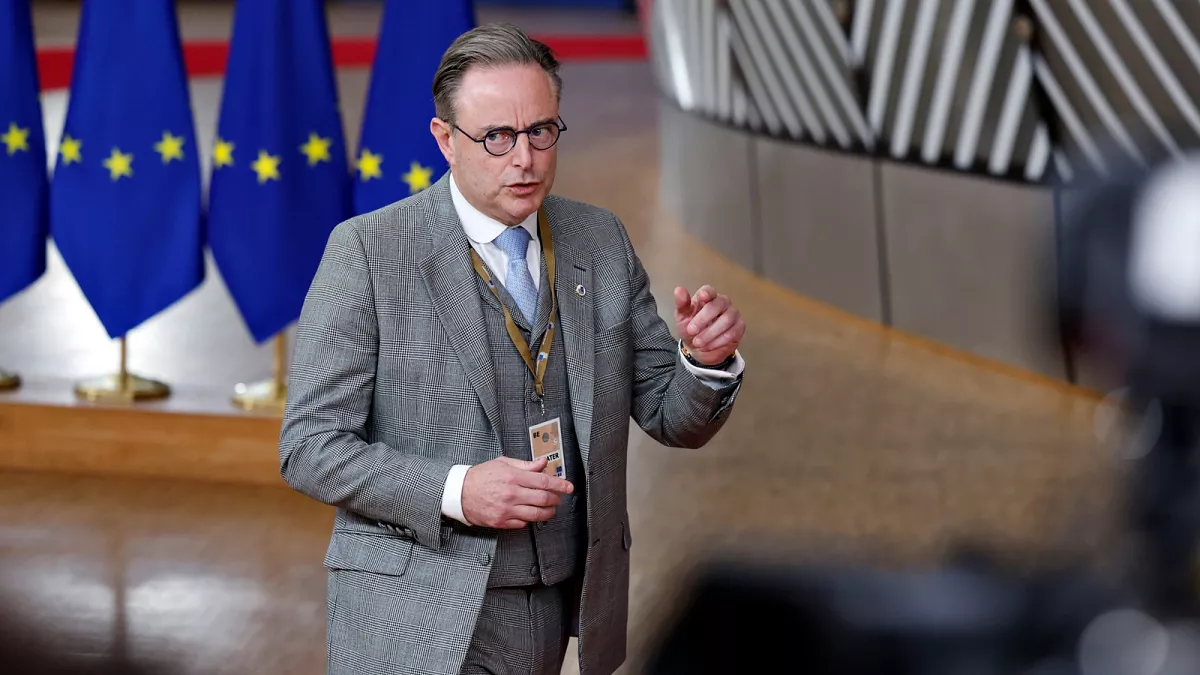
EU leaders are debating whether to loan Ukraine billions of euros from frozen Russian assets held in the EU, mainly in Belgium, to support Ukraine's military and economic needs amid ongoing war tensions. The decision faces opposition from Belgium and Hungary, with legal and political hurdles, but could significantly impact Ukraine's ability to continue fighting and influence the broader conflict.
EU leaders are preparing for a high-stakes summit to decide on using frozen Russian assets to fund Ukraine's economic and military needs, proposing a controversial 90 billion-euro reparations loan with potential legal and diplomatic challenges, amid disagreements among member states about the best approach and concerns over trust and legal implications.
EU leaders are preparing to take unprecedented steps at a summit to use frozen Russian assets to fund Ukraine's economic and military needs, including proposing a 90 billion-euro reparations loan, amidst legal and political challenges and concerns over trust and precedents.
During an EU summit, Belgium blocked a €140 billion loan to Ukraine funded by Russian assets, citing concerns over guarantees and potential retaliation, leading to a weaker consensus and ongoing negotiations on the plan.
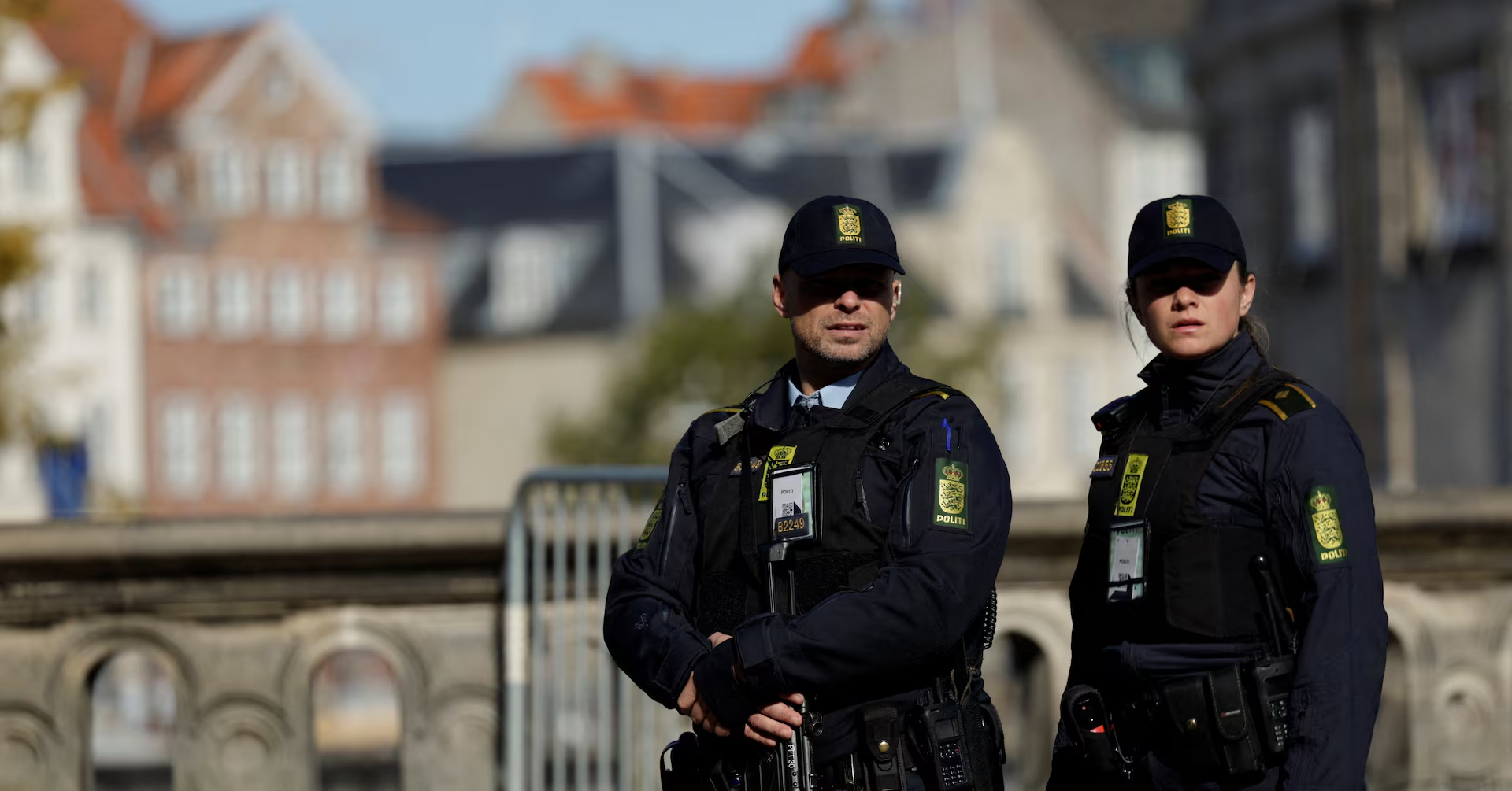
EU leaders are set to discuss a 'drone wall' for continental defense and the use of frozen Russian assets to fund Ukraine at a Copenhagen summit, amid recent airspace violations by unidentified drones over Denmark and neighboring countries, prompting increased military and security measures across Europe.
Denmark has temporarily banned civil drone flights amid mysterious UAV sightings near airports and military sites, as it prepares for a major EU summit on defense and Ukraine, with increased NATO and European military support to enhance airspace security against potential threats, primarily attributed to Russia.
Denmark has temporarily banned civil drone flights in its airspace due to suspicious drone sightings at airports and military sites, amid heightened security concerns ahead of an EU summit on defense and Ukraine, with Russia suspected as a primary threat. NATO is enhancing defense measures in the Baltic Sea region, and Denmark is receiving support from Germany and Sweden to strengthen drone detection and airspace security.