
Eisenkot Launches Marathon Talks with Likud as Coalition Bloc Fractures Over Unity Strategy
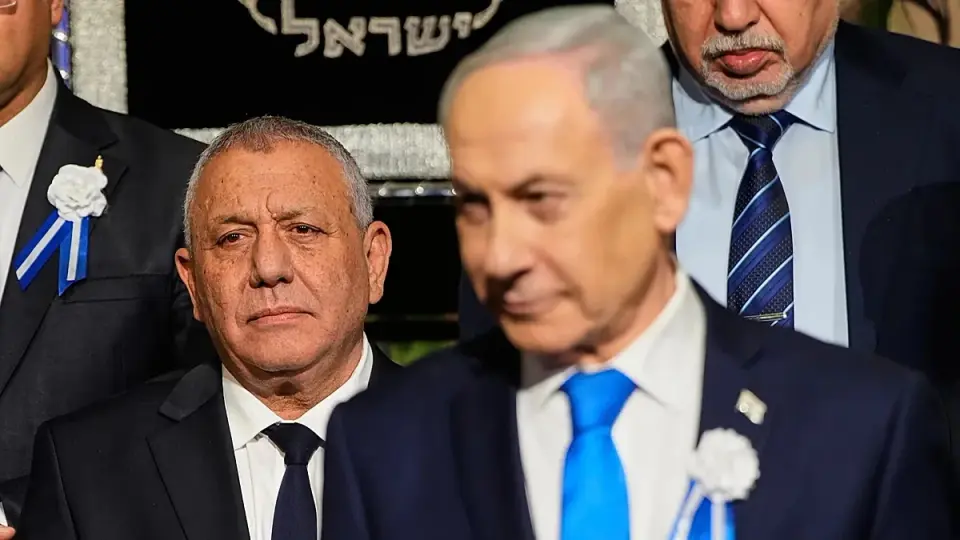
Gadi Eisenkot has invited Benjamin Netanyahu’s Likud party to marathon coalition talks, aiming to form a broad government after the October election left both blocs short of a majority. While Eisenkot seeks a 'national unity' government, his own opposition bloc is divided: Naftali Bennett supports a unity deal excluding Netanyahu as prime minister, while Avigdor Liberman prefers a coalition with ultra-Orthodox parties. Likud demands an end to 'boycotts' against Netanyahu and excludes Arab parties from any deal. Eisenkot has until early December to form a government or risk a minority administration.
Key points
- Eisenkot’s Yashar party invited Likud to marathon talks starting Sunday, describing the effort as 'sincere and genuine' to form the broadest possible government.
- Netanyahu’s Likud bloc holds 53 seats, while Eisenkot’s opposition bloc holds 48 seats in the 120-seat Knesset, leaving both short of the 61-seat majority needed.
- Likud preconditions include ending 'personal attacks and incitement' against Netanyahu, excluding Arab parties, and recognizing Israel as the nation-state of the Jewish people.
- Naftali Bennett supports a unity government under Eisenkot but rules out joining Netanyahu’s bloc, while Avigdor Liberman prefers a coalition with ultra-Orthodox parties to avoid Arab support.
- Eisenkot has until early December to form a government; he has threatened to propose a minority 'emergency government' if broad coalition efforts fail.
Background
Following the October 27, 2026 election, Israel faced a coalition deadlock as neither Netanyahu’s Likud nor Eisenkot’s opposition bloc secured a majority. Previous negotiations stalled over disputes regarding the premiership, judicial overhaul laws, and military conscription exemptions for ultra-Orthodox men. Netanyahu had previously presented a ten-point list of demands for a unity government, including serving as sole prime minister, which Eisenkot’s camp dismissed as political spin. The current talks represent a renewed attempt to bridge these divides before the December 6 deadline.
How outlets are covering it
Euronews and France 24 emphasize Eisenkot’s proactive move to invite Likud for 'marathon' talks, framing it as a genuine effort to form a broad government. The Times of Israel highlights internal divisions within the opposition bloc, noting that Bennett supports a unity government under Eisenkot, while Liberman prefers a coalition with ultra-Orthodox parties and rejects any reliance on Arab-majority lists. Al Jazeera questions the ideological cohesion of the opposition, pointing out that many leaders, including Bennett and Liberman, previously served in Netanyahu-led governments and hold right-wing policy positions. All sources agree that Likud’s preconditions, particularly the exclusion of Arab parties and demands to end 'boycotts' against Netanyahu, pose significant obstacles to a unity deal.
Why it matters
The outcome of these talks will determine whether Israel forms a stable government or faces further political instability. A failure to reach a broad coalition could lead to a minority government or a new election, potentially prolonging policy gridlock on issues such as the war in Gaza, ultra-Orthodox conscription, and judicial reforms. The internal divisions within the opposition bloc also raise questions about the long-term viability of the anti-Netanyahu alliance.
What to watch
Eisenkot’s negotiating team will begin marathon talks with Likud on Sunday. If a broad coalition fails, Eisenkot may pursue a coalition with ultra-Orthodox parties or a minority government supported by Arab-majority lists. The president can extend the 28-day deadline by up to 14 days, but Eisenkot has warned he will not 'drag this out' and may propose a minority 'emergency government' if necessary.
- Gadi Eisenkot invites Netanyahu's Likud party for coalition talks Euronews.com
- Bennett backs unity government under Eisenkot, nixes Netanyahu as next PM, rules out defection The Times of Israel
- Can Israel’s opposition bloc stay united against Netanyahu? Al Jazeera
- Eisenkot invites Netanyahu’s party for ‘marathon’ Israeli coalition talks France 24
- Eisenkot's political strength hinges on his ability to pass a budget The Jerusalem Post
Want the full story? Read the original reporting
Read on Euronews.com