
Eisenkot Unites Jewish Opposition as Herzog Begins Coalition Consultations
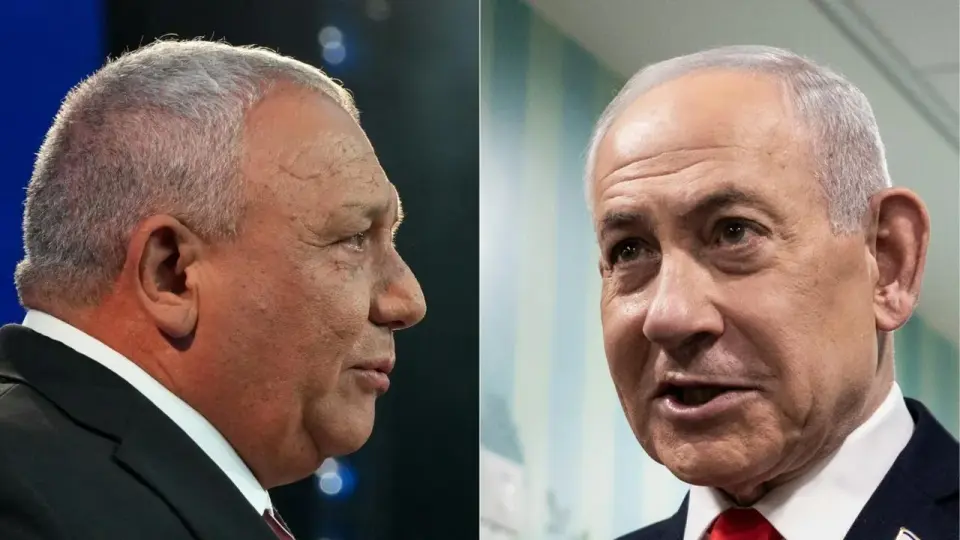
Israeli opposition leaders have united behind Gadi Eisenkot for prime minister, while Netanyahu calls for a broad government excluding Arab parties. President Herzog begins consultations on November 4, with haredi parties holding the key to breaking the deadlock.
Key points
- All Jewish-led opposition parties, including Yisrael Beiteinu, have endorsed Gadi Eisenkot as the candidate to form the next government.
- Netanyahu rejects coalition with Arab-majority lists, calling them supporters of terrorism, and seeks a broad national government under his leadership.
- The haredi parties, Shas and United Torah Judaism, are withholding recommendations, leveraging their bargaining power to demand concessions on military enlistment and budgets.
- Arab-led parties, holding 19 seats, have indicated they may support an Eisenkot government from outside the coalition but refuse to join it due to the occupation of the West Bank.
- President Isaac Herzog has seven days to select a candidate, with a 28-day window for coalition formation, extendable by 14 days.
Background
Following the October 27, 2026 election, neither the right-wing nor opposition blocs secured a majority in the 120-member Knesset. Netanyahu’s camp holds 53 seats, while the opposition bloc has 48. Arab-majority lists won a record 19 seats, making them potential kingmakers. Previous attempts to form a government have stalled due to ideological fractures within the opposition, particularly regarding alliances with Arab parties and the inclusion of haredi factions.
How outlets are covering it
France 24 emphasizes the unity of the opposition bloc behind Eisenkot and Netanyahu’s rejection of Arab parties. The Jerusalem Post highlights the critical role of haredi parties, noting their reluctance to commit and the potential for a premiership rotation deal involving Eisenkot, Lieberman, and Bennett. Algemeiner.com focuses on the high voter turnout and the possibility of Arab parties supporting an Eisenkot government from outside the coalition, while Lieberman rules out a minority government dependent on Arab support. The outlets differ on the likelihood of haredi participation, with The Jerusalem Post suggesting it is low, while others remain cautious.
Why it matters
The outcome of these consultations will determine whether Israel forms a new government or faces another election. The involvement of haredi and Arab parties could reshape Israeli domestic and foreign policy, particularly regarding Gaza and the West Bank. A failure to form a government could lead to political instability and delayed decisions on regional conflicts.
What to watch
President Herzog will hold consultations starting November 4, with a deadline of November 11 to select a candidate. The chosen candidate has 28 days to form a coalition, extendable by 14 days. If all attempts fail, new elections may be held within 90 days.
- Israeli opposition unites behind Eisenkot as Netanyahu says voters chose him for PM France 24
- Eisenkot may get the mandate, but haredi parties hold key to Israel's next government - analysis The Jerusalem Post
- Bennett vows to help Eisenkot form government, urges opposition to act quickly The Times of Israel
- Lieberman Throws Support Behind Eisenkot, Uniting Israel’s Jewish Opposition and Complicating Netanyahu’s Bid to Retain Power Algemeiner.com
- Eisenkot bloc heads meet for first time since election; Bennett: We have no time Haaretz
Want the full story? Read the original reporting
Read on France 24