
Estonia’s Defence Minister Resigns Over Failed €70m EU-Funded Artillery Deal
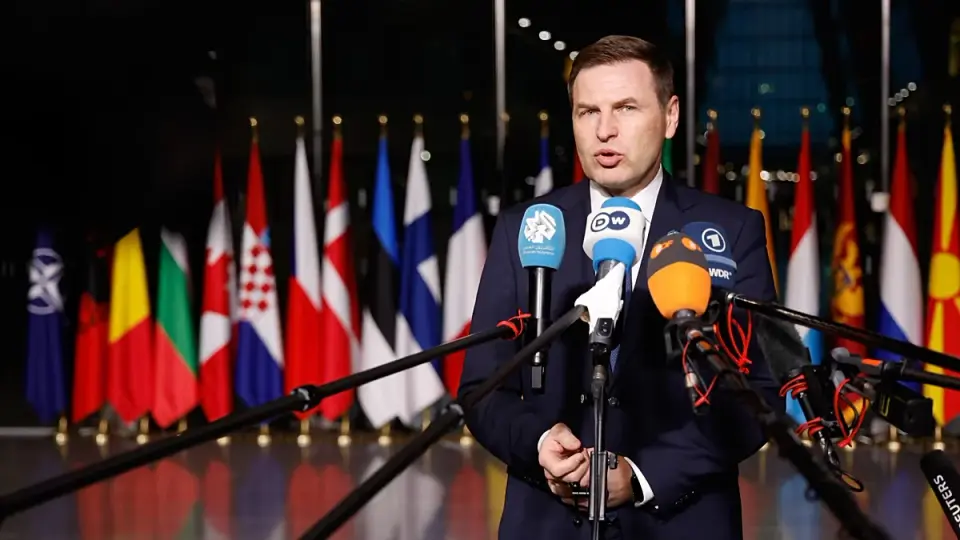
Estonian Defence Minister Hanno Pevkur resigned on September 3, 2026, following a scandal involving a €70 million European Union-funded contract for artillery shells for Ukraine. The deal, awarded to Datasel SRL, an Indian-owned firm with no prior munitions production record, failed to deliver goods. Estonia is now disputing the contract in international arbitration and faces potential repayment demands from Brussels.
Key points
- Pevkur, who served as minister since 2022, accepted political responsibility despite claiming he did not review the specific contract details.
- The Estonian National Audit Office criticized the Centre for Defence Investments (RKIK) for concealing contracts and failing to verify the delivery of goods.
- Estonia paid €70 million from the European Peace Facility, with €15 million and €10 million in initial installments, but the shells were never delivered.
- The European Commission is investigating whether Estonia must repay the funds, citing safeguards for taxpayer money.
- The resignation follows a similar high-profile departure by Latvia’s Defence Minister in May 2026.
Background
This incident follows a broader trend of scrutiny regarding defense procurement transparency in Europe. In July 2026, former Ukrainian Defence Minister Mykhailo Fedorov was dismissed after attempting to overhaul procurement processes, highlighting tensions between reform and entrenched interests. Additionally, EU ministers in Wicklow in September 2026 discussed funding mechanisms for Ukraine, including the use of frozen Russian assets, amid growing doubts about the efficiency of current financial support structures.
How outlets are covering it
Euronews and Breaking Defense emphasize the political fallout, noting Pevkur’s resignation as a result of the National Audit Office’s findings. ERR highlights the perspective of Datasel SRL, which claims it delivered a significant portion of the goods and was left out of pocket due to Estonia’s termination of the contract. Breaking Defense notes that the Estonian Ministry of Defense called the case 'exceptional,' while Datasel’s attorney argues the delays were due to complex international supply chain approvals. The sources agree on the financial magnitude but differ on the degree of fault, with Estonian officials pointing to RKIK’s failures and Datasel blaming the Estonian agency for contradictory actions.
Why it matters
The scandal exposes vulnerabilities in EU-funded defense procurement mechanisms, particularly the European Peace Facility. It raises questions about oversight, contract verification, and the accountability of national defense agencies. The potential repayment of €70 million could strain Estonia’s budget and impact future EU defense funding allocations. Furthermore, it highlights the risks of relying on unproven suppliers for critical military aid to Ukraine, potentially affecting the reliability of European support for Kyiv.
What to watch
Estonia is expected to appoint a new Defence Minister, with the government discussing candidates next week. The European Commission will continue its investigation into the recovery of the €70 million. Legal proceedings in the European Court of Arbitration in Strasbourg and domestic Estonian courts will determine the final liability and potential repayment. The RKIK head has assumed responsibility, and cross-party calls for a criminal investigation are ongoing.
- Estonian defence minister quits over €70m EU-funded arms scandal Euronews.com
- Estonian Defense Minister resigns following Ukrainian ammunition procurement scandal Breaking Defense
- Estonia’s €70 million Ukraine ammo deal with Indian-owned company explained: What went wrong and why the defence minister resigned opindia.com
- Indian firm: Estonia defense contract dispute left us out of pocket ERR
- Estonia takes defence firm to court over €70mn contract for Kyiv euractiv.com
Want the full story? Read the original reporting
Read on Euronews.com