
EU Drafts Binding Roadmaps and Safeguards for Four Candidate Nations
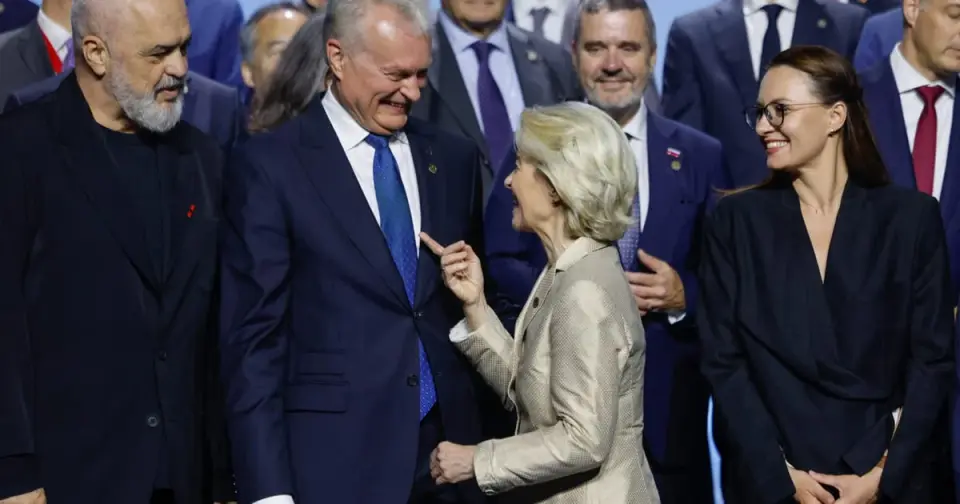
The European Commission is preparing targeted roadmaps for Montenegro, Ukraine, Moldova, and Albania, the first time Brussels will offer indicative timelines for accession. These plans include strict safeguards to prevent new members from blocking decisions, aiming to accelerate integration while addressing concerns about democratic backsliding.
Key points
- The Commission is drafting roadmaps for Montenegro, Ukraine, Moldova, and Albania, setting indicative dates for completing negotiation clusters.
- New safeguards include a 'temporary political commitment' and a clause allowing existing members to suspend a new member's voting rights via qualified majority.
- Albania is targeting the end of 2027 to close all negotiating chapters, a timeline the Commission is moving to formally recognize.
- The plans exclude Kosovo, North Macedonia, Bosnia, Georgia, Turkey, and Serbia due to stalled progress or democratic concerns.
- A separate pre-enlargement review, led by Alexandre Adam, will propose gradual integration measures in defense, energy, and transport.
Background
This development follows months of discussion regarding the EU's relationship with non-member states, including the 'associate membership' concept explored with Canada, Australia, and New Zealand. While those discussions focused on trade and security cooperation without full integration, the current roadmaps represent a distinct, formal pathway to full membership for the four frontrunner countries. The urgency is driven by geopolitical tensions with Russia and China, as well as internal concerns about the slow pace of previous enlargements.
How outlets are covering it
Politico emphasizes the strategic shift toward binding timelines to prevent candidate disillusionment, noting that the roadmaps create obligations for current members to approve progress. Reuters highlights the defensive nature of the proposals, focusing on the new safeguards designed to prevent future vetoes similar to those used by Hungary under Viktor Orbán. Euronews focuses on the specific case of Albania, noting that while the Commission traditionally avoids setting dates, it is now willing to do so for countries nearing the end of technical negotiations, replicating a successful model used with Montenegro. All sources agree that the measures are a response to the risks of enlargement, but they differ in emphasis: Politico views it as a geopolitical imperative, while Reuters frames it as a risk-mitigation strategy for existing members.
Why it matters
The introduction of indicative timelines and strict safeguards marks a significant departure from the traditional, open-ended accession process. By linking progress to specific dates and creating mechanisms to suspend voting rights, the EU aims to ensure that new members adhere to democratic standards and do not disrupt bloc policies. This could accelerate the integration of key partners like Ukraine and Moldova, strengthening the EU's geopolitical position, but it also raises questions about the flexibility of the EU's treaties and the potential for new conflicts between member states.
What to watch
The Commission is expected to present the enlargement package and pre-enlargement review to top officials on October 6. A two-day summit in Brussels on October 15 will see national leaders debate the pace and conditions of enlargement. Von der Leyen is traveling to the Western Balkans this week to discuss the plans with leaders in Montenegro, Albania, North Macedonia, and Kosovo, though she will skip Bosnia and Serbia due to ongoing elections.
- EU is drawing up membership action plans for most promising candidates politico.eu
- EU Commission Floats New Safeguards as Bloc Considers Expansion U.S. News & World Report
- EU Commission poised to back Albania's 2027 accession deadline euronews.com
- Why these four countries are moving ahead of other EU candidates AnewZ
- EU Commission Prepares Roadmap to Fast-Track Ukraine’s Accession. ubn.news
Want the full story? Read the original reporting
Read on politico.eu