
EU Enlargement Chief Cuts Serbia Visit as Mladić Funeral Sparks Diplomatic Crisis
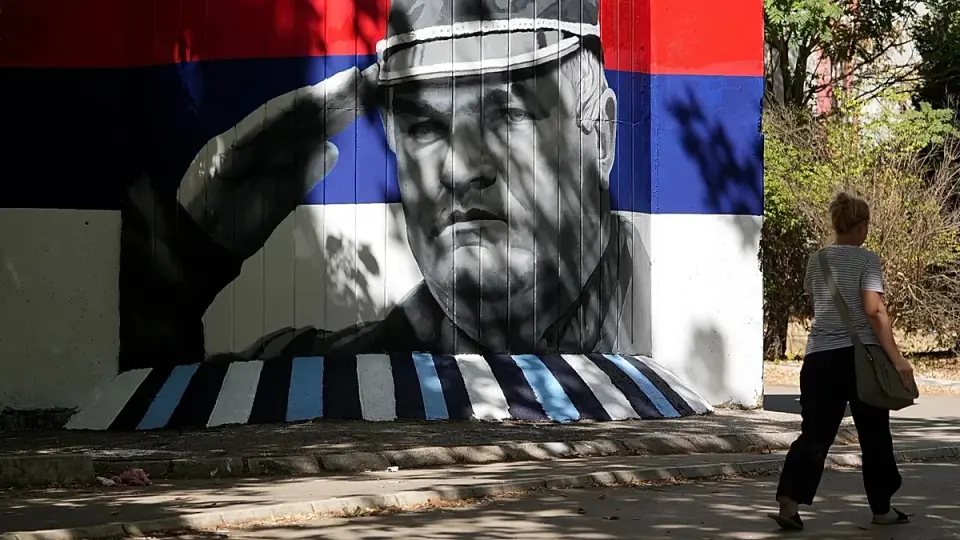
EU Enlargement Commissioner Marta Kos cancelled her visit to Serbia, calling the planned funeral for war criminal Ratko Mladić a critical test for Belgrade’s accession bid. Mladić, convicted of genocide for the Srebrenica massacre, died in The Hague and was returned to Serbia with military honors. EU officials warn that glorifying him contradicts European values and could stall accession talks, while Serbian President Aleksandar Vučić defends the tribute as a family matter.
Key points
- Marta Kos cancelled her Serbia trip, stating the 'glorification' of Mladić is incompatible with EU values and a key test for Serbia's future.
- Mladić, convicted of genocide and crimes against humanity, died at 84 in The Hague and was flown to Belgrade with military honors.
- EU officials, including Ireland’s Thomas Byrne and Belgium’s Maxime Prevot, condemned the tribute, warning it weakens support for Serbia’s EU bid.
- Serbian President Vučić defended the funeral, calling Kos’s criticism 'stupid' and promising logistical support for a large attendance.
- The EU estimates Serbia’s alignment with its foreign policy at 60%, the lowest among candidates, and fears the funeral will block progress on accession talks.
Background
This follows Mladić’s death on August 27, 2026, and the subsequent return of his remains to Serbia. Previous coverage noted that while Serbia’s justice minister initially suggested state honors, Vučić later stated the family would decide on arrangements. The EU had previously stalled accession talks over judiciary reforms and low foreign policy alignment. Mladić’s legacy remains divisive, with some Serbs viewing him as a hero, while Bosnia and the EU condemn his role in the 1992–1995 war and the Srebrenica genocide.
How outlets are covering it
Euronews and Al Jazeera emphasize the EU’s strong condemnation, with Kos cancelling her visit and officials warning the funeral could block accession. They highlight the military honors and Vučić’s defense. The New York Review of Books, via Aryeh Neier, frames Mladić’s death as a reminder of the ICTY’s effectiveness but warns that his glorification signals a lack of accountability for future war criminals. All sources agree on the facts of Mladić’s death, conviction, and return to Serbia, but differ in emphasis: EU sources focus on the political consequences for accession, while Neier focuses on the broader implications for international justice. Serbian media, as reported by Al Jazeera, portray Vučić as defending the funeral against EU interference.
Why it matters
The Mladić funeral has become a flashpoint in Serbia’s EU accession process, testing the bloc’s resolve to uphold its values. It highlights the tension between EU expectations of reconciliation and Serbian nationalist sentiment. The incident could delay or block further accession talks, particularly Cluster 3, and signals a potential shift in Serbia’s foreign policy alignment. It also raises questions about the effectiveness of international justice in deterring future war crimes and the role of memory in post-conflict societies.
What to watch
The funeral is expected to take place in a Belgrade suburb, with a possible commemoration ceremony beforehand. The EU will likely monitor the event closely and may adjust its stance on Serbia’s accession based on the outcome. Member states may reconsider support for opening Cluster 3 talks. Serbia’s alignment with EU foreign policy could further decline if the funeral is seen as a state endorsement of Mladić. The incident may also influence other Western Balkan candidates’ approaches to historical memory and EU alignment.
- EU warns Serbia Mladić funeral is 'important test' for membership bid Euronews.com
- An Exception in World Affairs The New York Review of Books
- Bosnian Serb war criminal Mladić commemorated in Belgrade, but no state honours Euronews.com
- Serbia: How the funeral of Ratko Mladic is dividing a nation dw.com
- EU official Marta Kos cancels Serbia trip over planned Mladic tribute Al Jazeera
Want the full story? Read the original reporting
Read on Euronews.com