
EU Eastern Flank Leaders Demand New Coordinator Role Amid Rising Russian Hybrid Threats
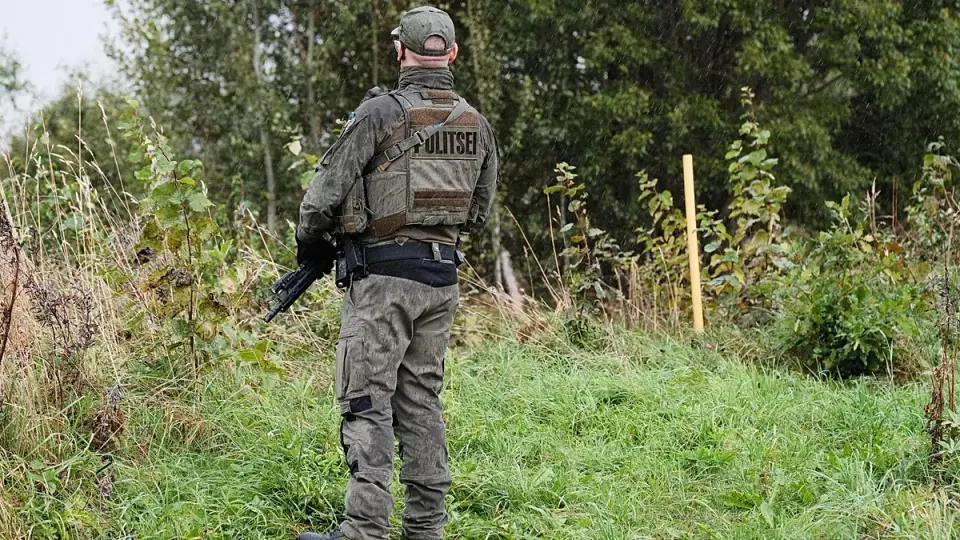
Five EU Commissioners from Eastern Flank states have formally requested Commission President Ursula von der Leyen to appoint a special coordinator for the region. This move aims to centralize response efforts against escalating Russian hybrid threats, including drone incursions and infrastructure sabotage, while accelerating the Eastern Flank Watch initiative.
Key points
- In late July, Commissioners Kaja Kallas, Henna Virkkunen, Valdis Dombrovskis, Andrius Kubilius, and Piotr Serafin wrote to von der Leyen urging immediate action on security preparedness.
- The proposed coordinator would serve as a single point of contact, linking EU policy areas with NATO and national authorities to address gaps in civil preparedness and critical infrastructure protection.
- The letter requested a College of Commissioners meeting in a Baltic state this autumn to assess regional security, public safety, and economic conditions firsthand.
- Latvia’s Prime Minister Andris Kulbergs reassured the public that the military threat level remains unchanged, withdrawing a draft emergency order for the eastern border region after public concern over its wording.
- Latvian Foreign Minister Baiba Braze stated that Russia has increased 'sub-conventional' activity, including disinformation campaigns and sabotage attempts, though she noted Moscow has never fully stopped such operations.
Background
Recent EU-Ukraine defense partnerships and von der Leyen’s visits to Kyiv have highlighted growing tensions along the Eastern Flank. The current push for a dedicated coordinator follows a series of hybrid incidents, including drone strikes and border tunnel discoveries, which have raised alarms in Nordic and Baltic states.
How outlets are covering it
Euronews emphasizes the institutional response, highlighting the formal request for a new coordinator role and the urgency of the Commissioners' letter. Belsat focuses on the specific risks to Latvia, with analyst Ihar Tyshkievich suggesting that Moscow could use Belarusian territory for provocations due to Latvia’s lack of large military formations. Xinhua reports on the Latvian government’s effort to calm public anxiety by withdrawing a draft emergency order, stressing that the military threat level has not changed. Anadolu Ajansı highlights Latvian Foreign Minister Baiba Braze’s assessment that Russia’s hybrid activities have intensified, particularly in disinformation and sabotage, while noting Sweden’s interest in a Nordic-Baltic Air Defense Shield.
Why it matters
The establishment of a dedicated coordinator could streamline EU responses to hybrid threats, ensuring better coordination between Brussels, NATO, and national authorities. This move signals a shift from reactive measures to proactive, centralized security planning in the Eastern Flank, potentially influencing future defense investments and regional stability.
What to watch
Von der Leyen is expected to respond to the Commissioners' request, potentially leading to the appointment of a coordinator and increased funding for the Eastern Flank Watch initiative. The Latvian government will revise its emergency order, while Baltic states may continue to strengthen air defense and border security measures in response to ongoing hybrid threats.
- Eastern Flank Commissioners urge von der Leyen action over Russia Euronews.com
- Baltic States Arm For Russian Threat As Leaked Letter Shows Growing Fears rferl.org
- Tyshkievich: Russia could stage a provocation against Latvia from Belarusian territory Belsat
- Latvia's military threat level unchanged: PM Xinhua
- Latvia says Russia has increased ‘sub-conventional’ activity Anadolu Ajansı
Want the full story? Read the original reporting
Read on Euronews.com