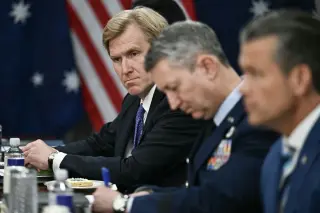
The US administration has excluded the UK, France, and the Baltic states from a select NATO working group meeting in Poland, raising concerns about alliance fragmentation.
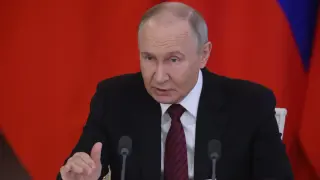
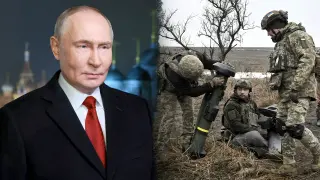
Vladimir Putin asserted Russia has no military plans against Europe, yet simultaneously accused Baltic states of violating the rights of Russian speakers. This juxtaposition, occurring amid recent drone incidents and threats from Russian officials, has heightened NATO concerns about hybrid warfare and potential escalation.
European intelligence officials warn that Russia is preparing to test NATO’s resolve through a campaign of sabotage and potential limited military incursions, rather than a full-scale invasion. While the Kremlin continues its war in Ukraine, it is simultaneously escalating 'shadow war' tactics across Europe, including arson, drone attacks, and disinformation, to disrupt support for Kyiv. Leaders in Poland, France, and the Baltics are urging unity and increased resilience, though concerns remain over the uncertainty of US commitment under President Trump and the potential for miscalculation in a fragmented alliance.
CIA Director John Ratcliffe’s secret trip to Moscow was reportedly meant to warn Russia against attacking NATO members, prompting renewed questions about Baltic security. Analysts say Moscow could attempt a limited test of NATO’s Article 5, though there is no visible large-scale buildup around the Baltics. Baltic leaders insist the threat level hasn’t changed while calling for greater preparedness; some observers caution that any Russian action could be limited and aimed at testing alliance cohesion rather than seizing territory. The visit also fuels broader debate about U.S. focus in Europe and the region’s defense posture.
A powerful cyclone swept through Latvia and Lithuania, killing two people and leaving hundreds of thousands without electricity amid widespread disruptions across the Baltic region.
Garry Kasparov warns Putin is unlikely to accept a peace deal and may escalate by probing a Baltic incursion into Latvia or Estonia to test NATO’s response after Russia’s September elections; he argues Moscow could achieve its aims with a limited move rather than a full invasion and urges Europe to harden sanctions, ban tourist visas, and back a Ukrainian victory to undermine the Kremlin.
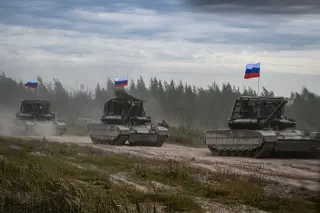
A potential Ukrainian ceasefire would give Kyiv relief but could sharpen NATO's security dilemma on Russia's frontier: Moscow is rebuilding a larger, more drone-enabled force and expanding along NATO's northeastern edge, with warnings it could test the Baltics or Poland within two to five years after any peace deal. Europe is boosting defense spending and NATO is reinforcing its northeast footprint, yet gaps in air defense and political will may limit responses, risking Moscow's recovery and renewed pressure on NATO if security aid to Ukraine wanes.
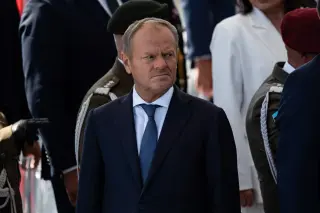
Polish PM Donald Tusk warned that the next few months could be critical amid reports—cited by Onet from five unnamed sources—that Moscow is preparing limited military provocations against Poland to spark tensions and undermine support for Ukraine; Western officials have warned of possible Russian operations in Poland or the Baltic states to probe NATO unity, as the U.S. weighs its European military posture.
The Guardian cites NATO-flank intelligence warning that Moscow may mount hybrid provocations against the Baltic states or Poland in response to Ukraine’s deep strikes inside Russia, aiming to test NATO unity rather than trigger a full invasion. Latvian intelligence and Western officials say Russia could deploy drones, missiles or other hybrid actions to pressure NATO into reducing Ukraine support, with analysts warning the coming weeks could be particularly dangerous.
NATO and Baltic intelligence warn Moscow could stage hybrid provocations against the Baltic states or Poland if fighting nears Moscow and St. Petersburg, as Russia faces pressure from Ukraine’s long-range strikes; Latvia notes indications of possible provocations but not a full-scale attack, while experts warn of a dangerous window as Putin tests NATO commitments ahead of an Ankara summit amid questions about U.S. backing.
Western intelligence and Baltic leaders warn Russia could stage hybrid provocations in the Baltic states or Poland to test NATO cohesion as Moscow faces pressure from Ukraine’s long-range strikes; Latvia cautions that Moscow is unlikely to launch a second front but could use missiles, drones, or other actions to signal aggression, while Poland’s Donald Tusk warns of rising instability and possible escalation in the coming weeks. Experts say Moscow may seek to disrupt NATO unity rather than a full-scale invasion, though concrete evidence remains limited.
Latvian intelligence says Moscow isn’t planning a conventional war but may stage hybrid provocations—such as drones or missiles—against the Baltic states or Poland to pressure NATO over Ukraine, amid concerns Putin could miscalculate due to isolation; Latvia’s security service also notes Russia is pursuing lawfare and potential international-legal actions to justify pressure, while sanctions are impacting Russia’s war economy. There are no immediate military threats to Latvia, but provocations remain a worry.
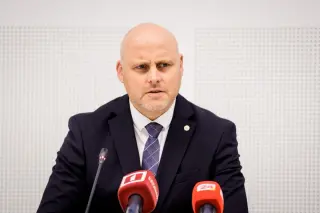
Latvia’s new prime minister Andris Kulbergs told NATO leadership in Brussels that there are no jokes with Moscow, highlighting continued NATO presence and Baltic air-policing, unity ahead of the Ankara summit, and Latvia’s push to deepen defense ties with Ukraine as it nears 5% of GDP in defense spending; Latvia’s president warned that any attack on the Baltics would trigger NATO’s collective defense, signaling firm Western resolve on Europe’s eastern flank.
German Army Chief Lt. Gen. Christian Freuding says all 32 NATO partners agree Russia could invade a NATO member by 2029, with the possibility of an earlier attack, and calls for faster readiness and new capabilities as Europe boosts defense spending amid border tensions with Nordic states.
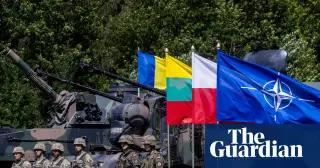
Baltic nations Estonia, Latvia and Lithuania are tightening defenses and boosting readiness after suspected Ukrainian drones entered their airspace, amid Russia‑Ukraine war tensions and Moscow’s denials of direct attack plans. The incidents have sharpened fears of hybrid warfare and potential spillover, prompting NATO to accelerate deterrence measures and ongoing U.S. discussions about its role. Analysts warn of risks around chokepoints like the Suwalki Gap, but officials say there is no imminent invasion while public anxiety and defense spending continue to rise across the region.