
Fedorov challenges Zelensky with call for wartime elections
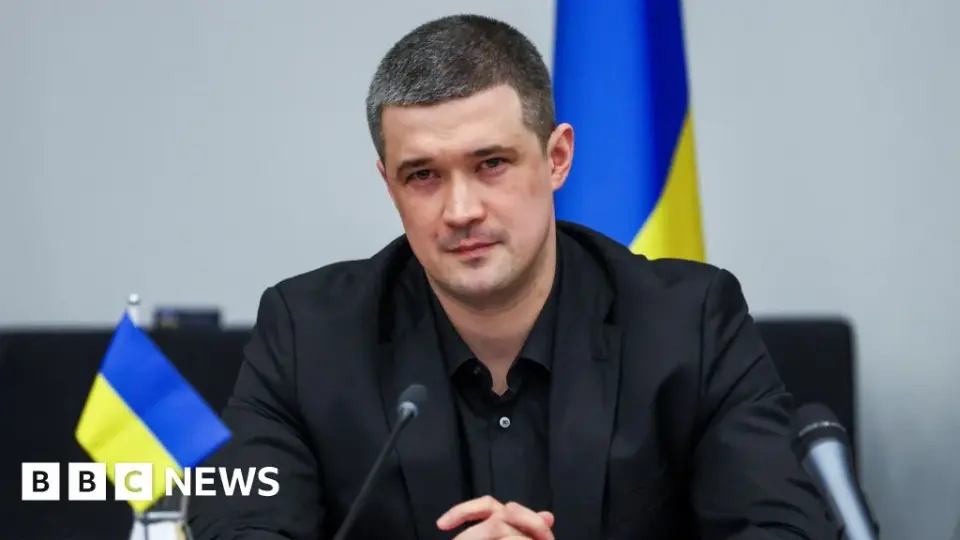
Former Ukrainian defence minister Mykhailo Fedorov has called for presidential elections despite ongoing martial law, marking the most significant political challenge to President Volodymyr Zelensky since the 2022 invasion. Fedorov, who was dismissed in late July, argued in a video address that democracy cannot be held hostage by Russia and that Ukraine must restore a full democratic process even during the war. His comments follow a period of intense domestic unrest and a cabinet reshuffle that replaced both him and army commander Oleksandr Syrskyi. While Zelensky has not yet responded, he has moved to permanently appoint acting defence minister Yevgeniy Khmara, a move requiring parliamentary confirmation. Polling suggests Fedorov could pose a serious threat to Zelensky in a hypothetical runoff, though logistical hurdles remain due to the war.
Key points
- Fedorov called for a 'legal, safe, and realistic mechanism' to hold elections during the war, stating that 'democracy cannot be held hostage by Russia.'
- The call for elections is viewed as the biggest challenge to Zelensky's presidency since the full-scale invasion began in February 2022.
- Fedorov was fired in late July after a conflict with army commander Oleksandr Syrskyi, a move that sparked widespread protests across Ukraine.
- Zelensky has nominated Yevgeniy Khmara, a career intelligence official, to permanently replace Fedorov as defence minister, with a parliamentary vote expected soon.
- Recent polling indicates Fedorov would place third in the first round of a presidential election but could defeat Zelensky in a runoff against either him or former commander Valerii Zaluzhnyi.
Background
This development follows a series of political crises in Ukraine since July 2026, where Fedorov's dismissal triggered mass protests and led to the replacement of army commander Syrskyi. Previous coverage noted that Fedorov rejected alternative government posts, insisting on reinstatement as defence minister, while Zelensky attempted to stabilize the situation by appointing new military leadership. The current move by Fedorov escalates the conflict from a cabinet dispute to a direct challenge of the presidential mandate, occurring against the backdrop of ongoing Russian invasion and suspended elections due to martial law.
How outlets are covering it
BBC and The Guardian frame Fedorov's speech as a major political crisis, emphasizing the 'systemic crisis of governance' and corruption allegations he raised. Politico highlights the constitutional conflict, noting that Ukraine's constitution bars elections during martial law, while also referencing US President Donald Trump's previous demands for Ukrainian elections. The Guardian provides additional context on public sentiment, noting that while some Ukrainians believe elections are necessary, there is a deep-rooted view that they should only occur after the war ends. Analysts cited by The Guardian question the practicality of holding elections given Russian bombing and the displacement of millions, contrasting Fedorov's idealistic stance with the logistical realities of a warring state.
Why it matters
Fedorov's call for elections tests the limits of Ukraine's democratic norms under martial law and could destabilize Zelensky's authority at a critical time in the war. If successful in shifting public opinion, it may force a re-evaluation of how democratic processes are maintained during prolonged conflict, potentially influencing international support and domestic governance structures.
What to watch
Zelensky is expected to respond to Fedorov's address, and parliament is set to vote on Khmara's permanent appointment as defence minister. The outcome of this vote and any subsequent political maneuvering will determine whether the crisis escalates further or if the government can restore stability. Polling data may also influence future political strategies, as Fedorov's potential strength in a runoff could impact his leverage in negotiations or public support.
- Sacked Ukrainian defence minister calls for presidential election BBC
- Ukraine’s ousted defense minister calls for wartime elections in bombshell address CNN
- Ukraine’s dismissed defence minister calls for wartime presidential election The Guardian
- Ousted Ukrainian defense chief Fedorov demands elections in challenge to Zelenskyy politico.eu
- Dismissed Ex-Defense Minister Says Ukraine Faces Crisis Of Governance, Elections Should Be Held Despite War Radio Free Europe/Radio Liberty
Want the full story? Read the original reporting
Read on BBC