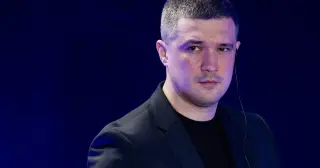
Fired defense minister Mykhailo Fedorov called for elections in Ukraine, arguing Ukrainians must decide their government rather than letting Putin dictate the timeline, but elections are blocked by martial law and the country faces domestic protests after Zelenskyy’s reshuffle amid Russia’s invasion.
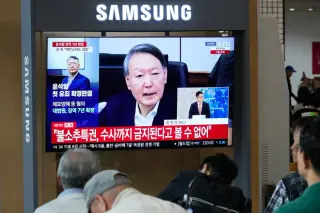
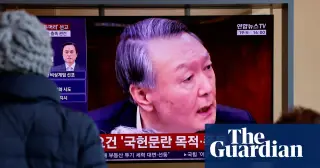
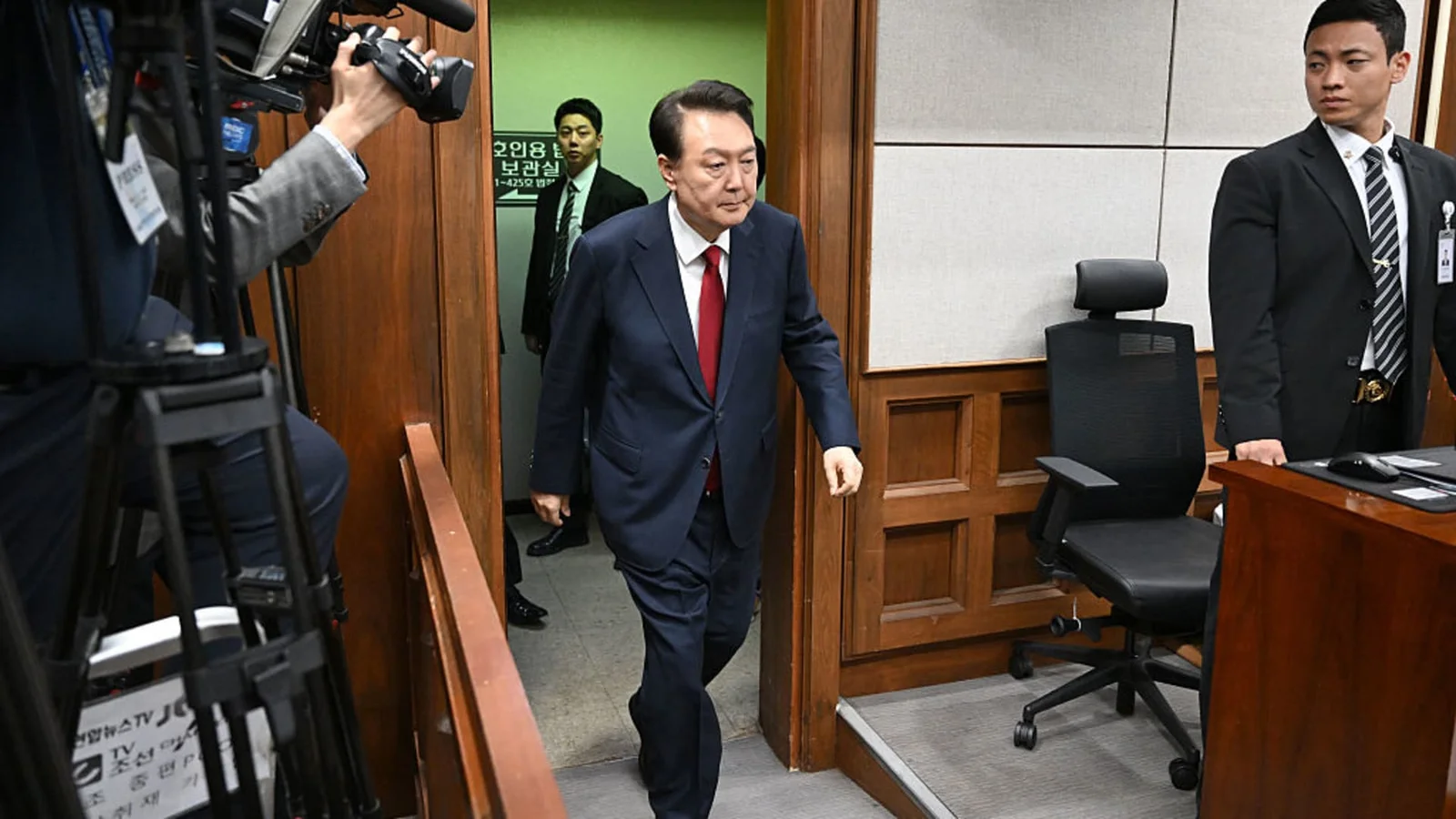
South Korea's Supreme Court upheld a prison sentence for President Yoon Suk Yeol in what is described as the first martial law case, signaling a high-profile judicial ruling against the president.
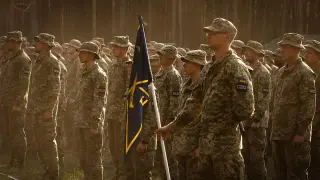
Ukraine opened a criminal investigation after about 200 civilians in Lviv surrounded and overturned a military recruitment vehicle following the detention of a man for dodging service; two criminal cases were started for obstructing the Armed Forces during martial law and for violence against a police officer, highlighting rising tensions around mobilisation as the war continues.
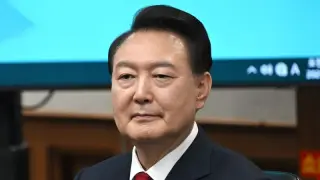
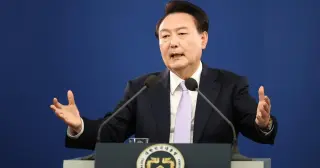
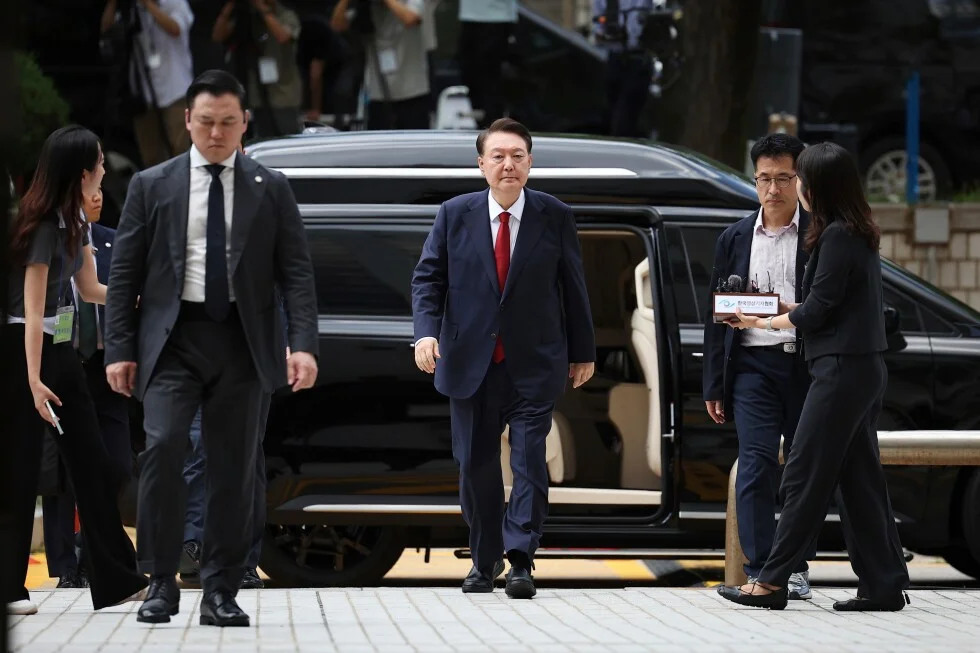
A Seoul court handed ex-president Yoon Suk Yeol a 30-year prison term on charges of abuse of power and aiding the enemy, tied to a 2024 Pyongyang drone incursion that prosecutors say was meant to justify his failed martial-law bid; his lawyers contend he neither ordered nor approved the operation. Yoon, already serving a life sentence for insurrection after impeachment, can appeal the ruling as prosecutors push back against the former leader’s legal battles.
A Seoul central district court sentenced former President Yoon Suk Yeol to 30 years in prison for abuse of power and aiding the enemy, ruling he conspired in a 2024 drone incursion into North Korea to manufacture wartime conditions for a martial-law bid. Yoon denies the charges and can appeal; prosecutors argued the operation heightened tensions and leaked classified information. The ruling adds to a string of judgments against the ousted leader amid ongoing cross-border tensions over drone activity.
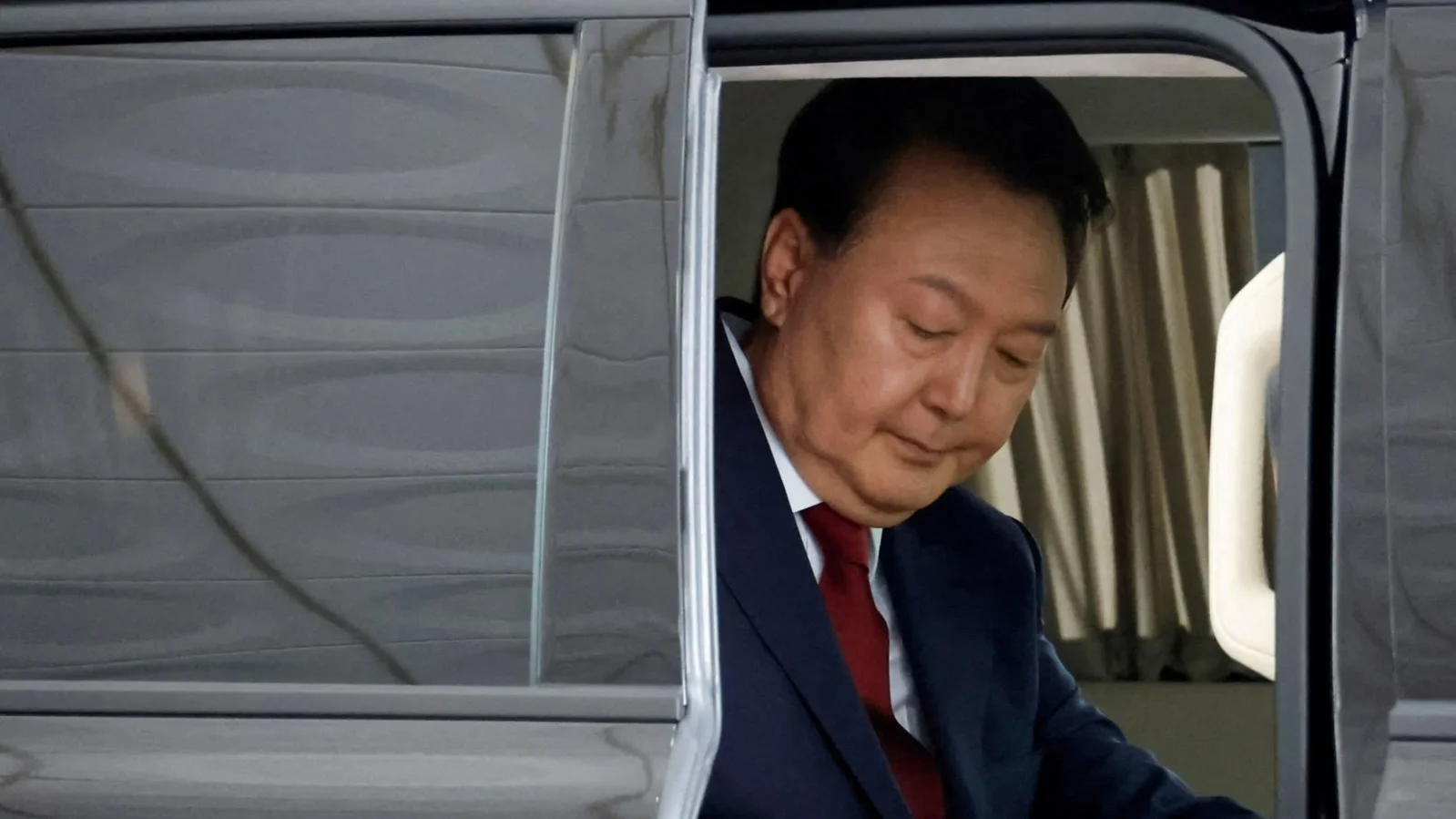
A Seoul court sentenced former President Yoon Suk Yeol to 30 years in prison for directing military drone flights into North Korea, a move prosecutors say was aimed at creating wartime conditions to justify a 2024 martial-law declaration. Yoon denies ordering the operation, which comes amid ongoing legal battles following a life sentence for insurrection tied to the martial-law bid; he can appeal from custody.
An appeals court in Seoul sentenced former President Yoon Suk Yeol to seven years in prison for resisting arrest and obstructing justice, including bypassing a cabinet meeting before declaring martial law in December 2024, on top of a life sentence for rebellion tied to his authoritarian push.
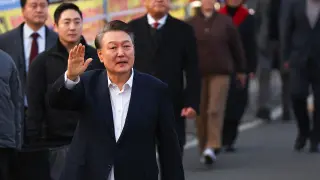
A Seoul appeals court sentenced former President Yoon Suk Yeol to seven more years in prison for resisting arrest, bypassing a full Cabinet meeting before his 2024 martial law declaration, adding to a prior life sentence for rebellion; his lawyers plan an appeal to the Supreme Court, and prosecutors are pursuing related charges in separate cases including those involving his wife’s legal matters.
Prosecutors in Seoul have asked for a 30-year prison term for ousted President Yoon Suk Yeol, alleging he tried to escalate tensions with North Korea by ordering drone flights over Pyongyang in 2024 to justify martial law; he faces multiple indictments, including abusing power, while a separate life sentence for rebellion was handed earlier and is under appeal, and his defense denies the charges.
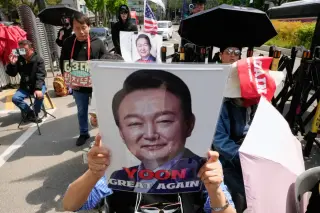
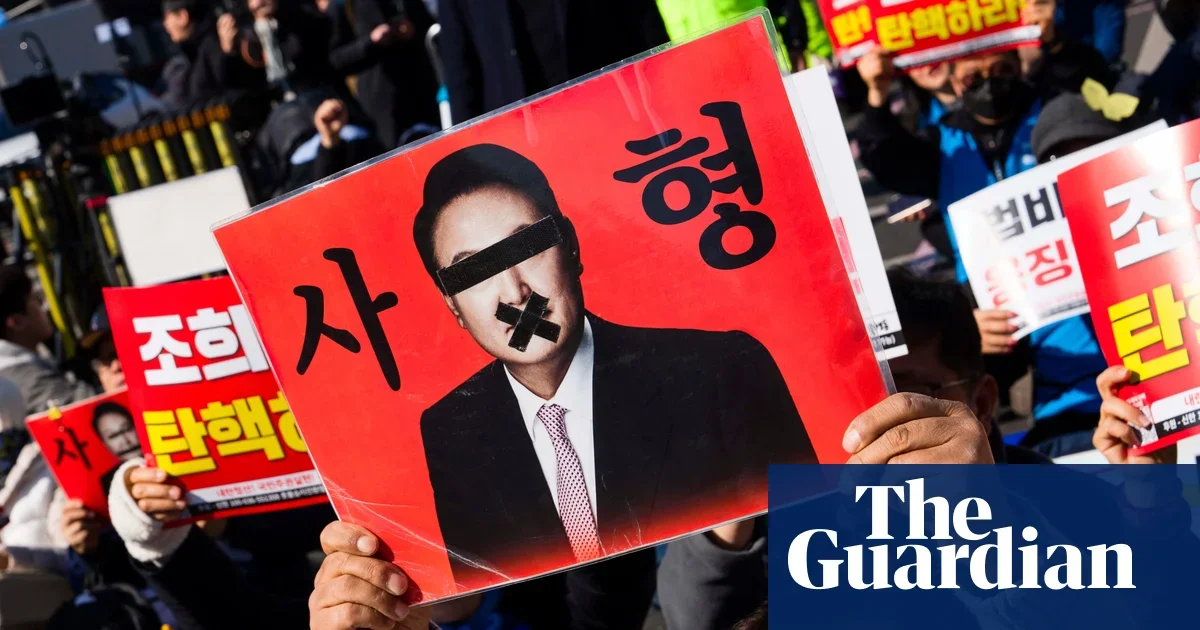
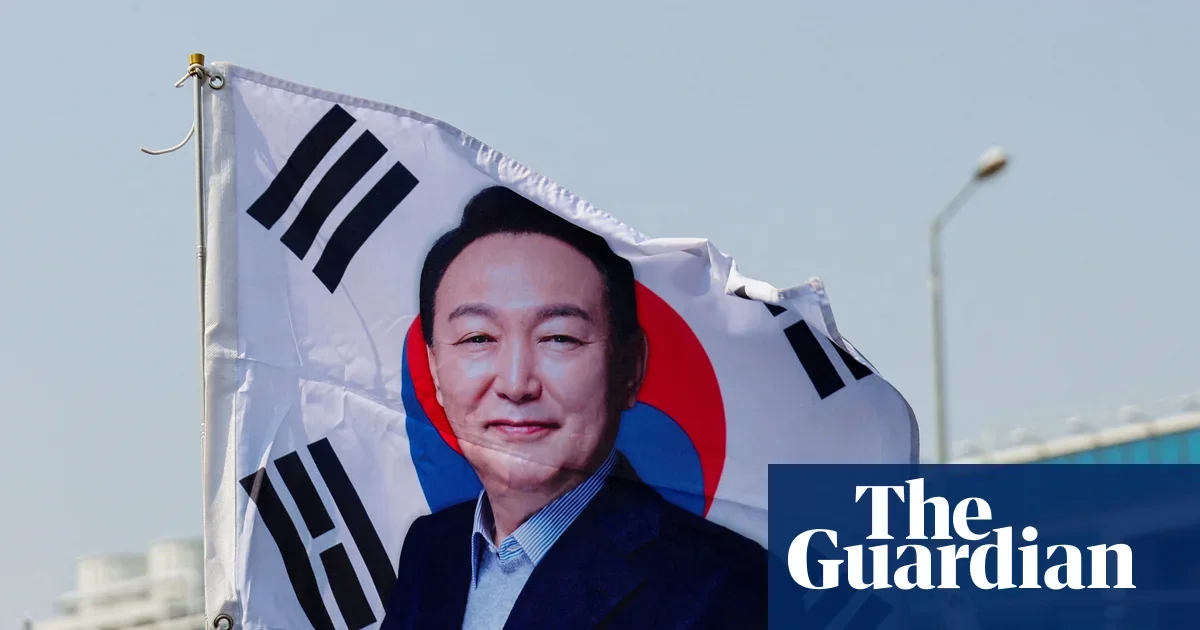
Former president Yoon Suk Yeol was convicted of leading an insurrection and sentenced to life with labour for his failed December 2024 martial-law bid. While hundreds cheered outside the court, many South Koreans view the verdict as dangerously lenient, pointing to a history of elite impunity and arguing the punishment should reflect the gravity of the crime. The judge cited mitigating factors; critics counter that long public service should not excuse state power abuses. The decision has spurred debate over possible pardons and parliamentary bills to bar insurrection pardons. Yoon issued a statement of apology for inadequacies, defended his actions as saving the nation, and urged supporters to unite as appeals remain possible.
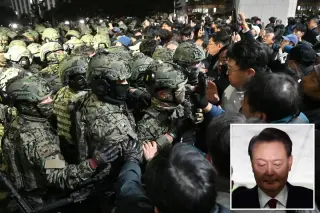
Former South Korean President Yoon Suk Yeol was sentenced to life in prison for rebellion after declaring martial law and dispatching troops to surround the National Assembly in December 2024; the six-hour decree failed to stop lawmakers, Yoon was impeached and removed, and several officials were also convicted in related cases as Korea grapples with its biggest political crisis in decades.
A former South Korean president was spared the death penalty in a martial-law-era trial, a development that signals the ongoing reckoning with abuses committed during that period and raises questions about accountability for past leaders.
Former South Korean president Yoon Suk Yeol was sentenced to life imprisonment for leading an insurrection during a December 2024 martial law bid; prosecutors had sought the death penalty, and the ruling comes after a separate five-year term for obstructing his arrest, with several other officials also sentenced in related cases.
Former South Korean president Yoon Suk Yeol was sentenced to life in prison for leading an insurrection tied to his 2024 martial-law declaration, with prosecutors seeking the death penalty; several aides were also convicted. Yoon has a week to appeal as South Korea’s political crisis and a rising far-right movement continue to shape the aftermath.
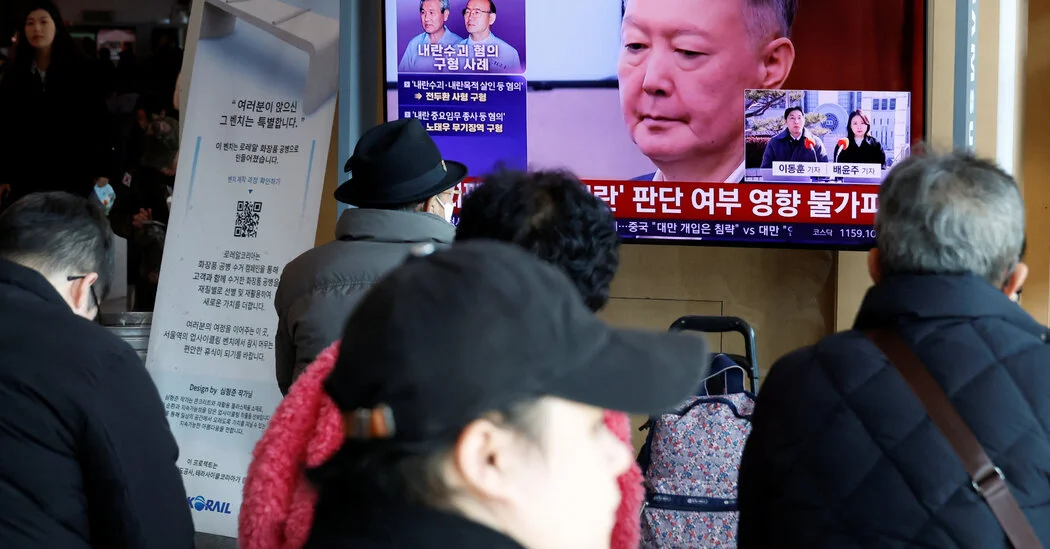
South Korea is awaiting a verdict on insurrection charges against former president Yoon Suk Yeol, with prosecutors seeking the death penalty; the ruling ends a 14-month probe into the December 3 martial-law crisis and related impeachments, amid public fatigue and deep political divides.