
French mainstream parties face wipeout as Le Pen and Mélenchon dominate 2027 race
With five months until the April 2027 vote, French centrist parties are failing to coalesce a unified candidate, leaving Marine Le Pen and Jean-Luc Mélenchon as the likely finalists. While Le Pen leads polls, rising anti-establishment sentiment and a fragmented center-right field, highlighted by the surge of David Lisnard, create significant volatility. Recent scandals involving Le Pen’s inner circle and the lack of a cohesive centrist platform have intensified fears of a runoff between the political extremes.
Key points
- Marine Le Pen maintains a lead in first-round polls, but her National Rally faces internal scandals, including anti-Semitism allegations against deputy Jordan Bardella and senior lieutenant Laure Lavalette, as well as an investigation into alleged leaks from the Ministry of the Interior.
- Jean-Luc Mélenchon has consolidated the left, absorbing support from the Greens, Communists, and former Socialist figures like Benoît Hamon, while his hard-left platform taps into anti-establishment sentiment fueled by recent student protests and cost-of-living grievances.
- The center-right is fragmented among former Prime Ministers Edouard Philippe and Gabriel Attal, and rising candidate David Lisnard. Philippe’s poll ratings have dropped sharply, and he has ruled out a primary, while Lisnard’s micro-party has grown to over 100,000 members.
- Analysts warn that the lack of a unified centrist platform or digital strategy leaves a 'vacuum' between the extremes, with Le Pen and Mélenchon already publishing detailed manifestos while centrists debate candidate selection.
- The 2027 election is scheduled for April 18, with a second round two weeks later. Le Pen faces a pending appeal regarding her 2025 embezzlement conviction, which could impact her eligibility.
Background
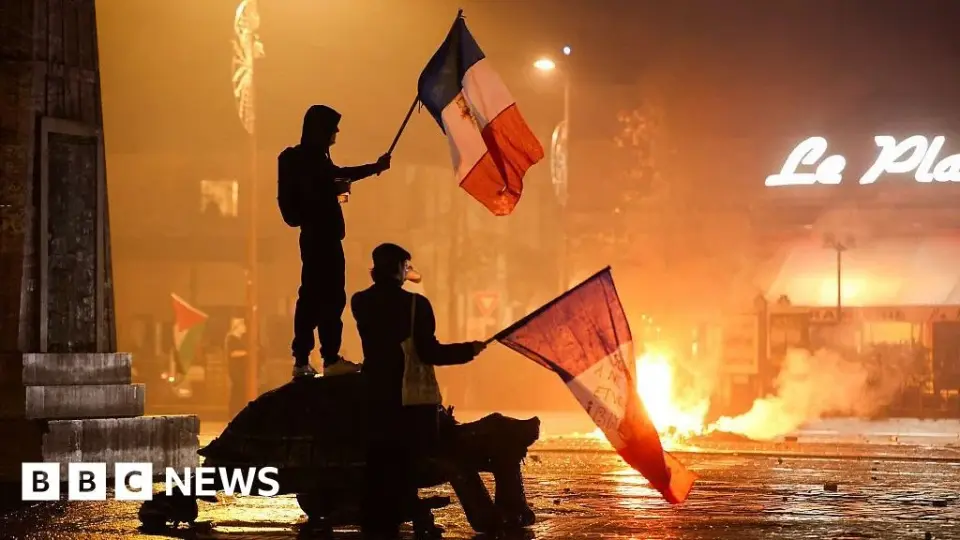
The 2027 election follows a period of intense social unrest, including student protests that began in September 2026 and escalated into riots in October. These protests, driven by education funding and cost-of-living concerns, have heightened anti-establishment sentiment. Additionally, diplomatic tensions with Israel over Mélenchon’s Gaza flotilla vows and the recent surprise candidacy of judo champion Teddy Riner have further fragmented the political landscape.
How outlets are covering it
BBC and AFP emphasize the structural weakness of the French mainstream, noting that personal rivalries and lack of preparation have prevented a unified centrist challenge to the polarized extremes. Le Monde’s polling aggregator highlights the volatility of the center-right field, where multiple candidates dilute individual support. The Spectator focuses on the immediate threat to Le Pen from David Lisnard, describing him as a 'Thatcher in a suit' who is gaining traction among social conservatives and economic liberals, while also detailing the internal scandals within Le Pen’s party that have distracted her campaign.
Why it matters
The failure of the French mainstream to unite could result in a second-round runoff between Marine Le Pen and Jean-Luc Mélenchon, two candidates whose platforms are polarizing but share anti-establishment appeal. This outcome could lead to significant policy shifts in immigration, economics, and foreign policy, potentially destabilizing France’s role in the EU and NATO. The volatility of the electorate, with many voters undecided or opposed to all current candidates, suggests that the final outcome remains highly uncertain.
What to watch
The next critical milestone is the potential emergence of a consensus centrist candidate in January or February 2027, as polls may settle and candidates drop out. Le Pen’s legal appeal regarding her embezzlement conviction is expected early next year. The campaign is likely to intensify in the coming months, with Le Pen and Mélenchon expected to launch major digital and media campaigns, while centrists may attempt to coordinate a primary or unified platform to prevent a runoff between the extremes.
- France's political mainstream risks presidential vote debacle with no clear candidate BBC
- As France's problems multiply, so do its presidential hopefuls Reuters
- 2027 French presidential election: See what the polls say with our aggregator Le Monde.fr
- Marine Le Pen feels under threat The Spectator
- Five months out, France's presidential race up in the air AFP.com
Want the full story? Read the original reporting
Read on BBC