
Ukraine Strikes Russian Airfields and Oil Hub in Deep Overnight Campaign
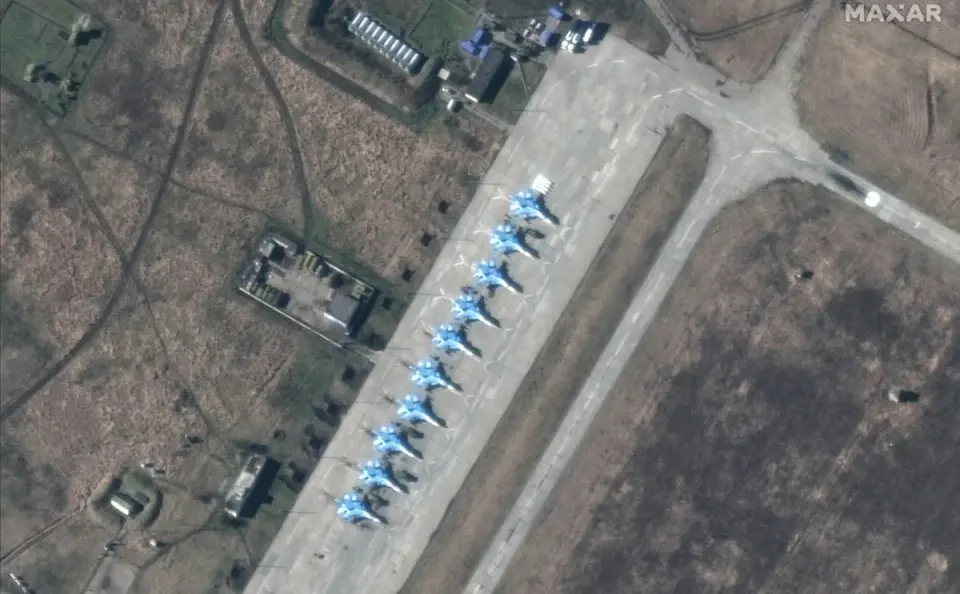
Ukrainian forces conducted a series of deep strikes into Russian territory overnight on November 25-26, targeting military aviation and energy infrastructure. The General Staff of the Armed Forces of Ukraine confirmed that Neptune missiles hit the Marinovka airfield in Volgograd Oblast, which hosts Su-34 fighter-bombers used for aerial bomb attacks. Simultaneously, strikes damaged five aircraft at the Savasleyka airfield in Nizhny Novgorod Oblast, including three MiG-31s and two Su-34s. Additionally, a Transneft oil pumping station in Bashkortostan was hit, causing a fire. These operations continue a sustained campaign to degrade Russian military capabilities and oil revenues.
Key points
- Ukrainian Navy used Neptune coastal defense missiles to strike the Marinovka airfield in Volgograd Oblast, located approximately 400 kilometers from the border. The airfield hosts Su-34 fighter-bombers. The General Staff stated that the extent of damage to the airfield's infrastructure is still being assessed.
- Ukrainian forces struck the Savasleyka airfield in Nizhny Novgorod Oblast, damaging five aircraft: three MiG-31s and two Su-34s. The MiG-31s are capable of carrying Kh-47M2 Kinzhal aeroballistic missiles. The General Staff noted that the aircraft would be unable to fly for a certain period, with full damage assessment ongoing.
- A strike was confirmed on the Subkhankulovo linear production and dispatch station in Bashkortostan, a key hub in Transneft's oil pipeline network. The facility, located approximately 1,300 kilometers from the border, suffered a hit to a storage tank, resulting in a fire. The station has a combined storage capacity of 160,000 cubic meters.
- The Savasleyka strike followed a series of long-range attacks, including hits on two oil refineries in Samara Oblast on November 25. Russian Governor Vyacheslav Fedorishchev reported that 145 drones were shot down during the Samara attacks, with one person killed and power outages in several towns.
- Ukrainian forces have struck 16 Russian ballistic-missile launchers in recent months, according to Defence Minister Yevhenii Khmara. Industry sources indicate that Ukrainian drone attacks have reduced Russian oil refineries' processing volumes by 45 percent since late October.
Background
These strikes are part of a sustained Ukrainian campaign to target Russian military and energy infrastructure deep within Russian territory. Previous operations in November included strikes on the Akhtubinsk airfield and Tsymbulova drone base on November 15, and attacks on the Sibur petrochemical hub and other airfields on November 15. Ukraine has also targeted the Marinovka airfield previously, destroying two Su-34 fighter-bombers in an October 29 strike. The current operations follow a pattern of escalating deep strikes aimed at degrading Russia's ability to launch aerial bombs and hypersonic missiles, as well as reducing oil revenues.
How outlets are covering it
Ukrainian sources, including the General Staff and Kyiv Post, emphasize the strategic impact of the strikes on Russian military aviation and oil infrastructure, highlighting the use of Neptune missiles and the damage to key aircraft like the MiG-31 and Su-34. BBC and Al Jazeera report on the damage to five aircraft at Savasleyka and the broader context of Ukraine's long-range strikes, noting that Russia has not commented on the attacks. Ukrainian Pravda provides detailed confirmation of the Neptune missile use and the fire at the Subkhankulovo oil station. Russian sources, as reported by BBC, indicate that Governor Fedorishchev described the Samara attacks as a 'true ordeal' with significant drone interceptions, but did not provide details on the airfield strikes. There is no direct Russian confirmation of the damage to the airfields or oil station, but Ukrainian sources provide specific details on the targets and outcomes.
Why it matters
These strikes demonstrate Ukraine's capability to reach deep into Russian territory, targeting critical military and energy infrastructure. The damage to Su-34 and MiG-31 aircraft reduces Russia's ability to launch aerial bombs and hypersonic missiles against Ukrainian cities and military positions. The hit to the Transneft oil station impacts Russia's oil processing and export capabilities, potentially affecting its war funding. The sustained campaign of deep strikes aims to degrade Russia's military might and economic resources, while Ukraine continues to face intensified Russian attacks on its energy system and front-line cities.
What to watch
The General Staff is assessing the extent of damage to the Marinovka airfield and the Savasleyka aircraft. Ukraine has stated it will continue striking Russian energy targets until Moscow ceases its attacks on Ukrainian energy infrastructure. Further strikes on Russian military and energy infrastructure are likely as part of the ongoing campaign to degrade Russia's war effort.
- Russian Su-34 Base Hit in Volgograd Oblast as Ukraine Steps Up Deep Strikes on Airfields Kyiv Post
- Five Russian military jets hit in airfield strike, says Ukraine BBC
- Ukraine says five jets damaged in attack on Russia’s Savasleyka airbase Al Jazeera
- Ukrainian Neptune missiles strike Russian airbase housing Su-34 aircraft Українська правда
- Ukraine says it struck a major Russian air base, damaging five planes Reuters
Want the full story? Read the original reporting
Read on Kyiv Post