
French Student Protests Secure $4.45bn in Concessions Amid Ongoing Struggle
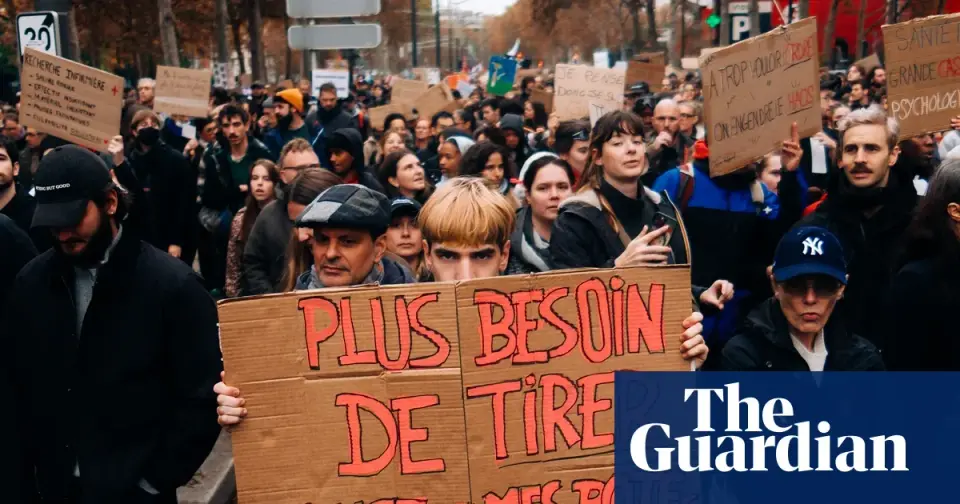
French youth protests against poor school conditions have secured initial government concessions, including a 4.45 billion dollar loan for renovations and increased staffing, but activists remain unsatisfied and plan further strikes. The movement, which began in September, has drawn broad support from unions and climate groups, highlighting the power of collective action and social media in driving policy change.
Key points
- Protests started in September over poor conditions in public high schools and have spread nationwide, involving students, unions, and other groups.
- The government agreed to provide 4.45 billion dollars in loans for school renovations, more university spaces, and additional teachers.
- Activists, including the Union Étudiante, called these concessions 'crumbs' and vowed to continue fighting, with a national strike scheduled for November 5.
- The movement has been bolstered by strong labor protections and union infrastructure, which are less robust in the US.
- Social media has played a crucial role in organizing and amplifying the protests, with viral content and memes helping to mobilize young people.
Background
The current protests are part of a broader trend of youth activism in France, following earlier unrest in 2018 involving the gilets jaunes movement. The movement has also drawn support from climate activists like Greta Thunberg, who has publicly endorsed the protests. The government has faced significant pressure, with over 5,000 arrests and violent clashes, but the movement has managed to secure some concessions despite these challenges.
Why it matters
The French student protests highlight the importance of strong labor protections and union infrastructure in achieving policy changes. The movement's success in securing initial concessions, despite government resistance, demonstrates the power of collective action and social media in driving policy change. The protests also underscore the need for clear, actionable demands and broad coalitions to achieve meaningful results.
What to watch
Further protests are scheduled for October 31, with a national strike planned for November 5. The government is expected to face continued pressure to address the protesters' demands, including better school conditions and increased funding for public services. The movement's success in securing initial concessions may influence future policy decisions and political agendas in France.
Want the full story? Read the original reporting
Read on The Guardian