
Strait of Hormuz sees fresh tanker fires as Qatari mediators return to Tehran
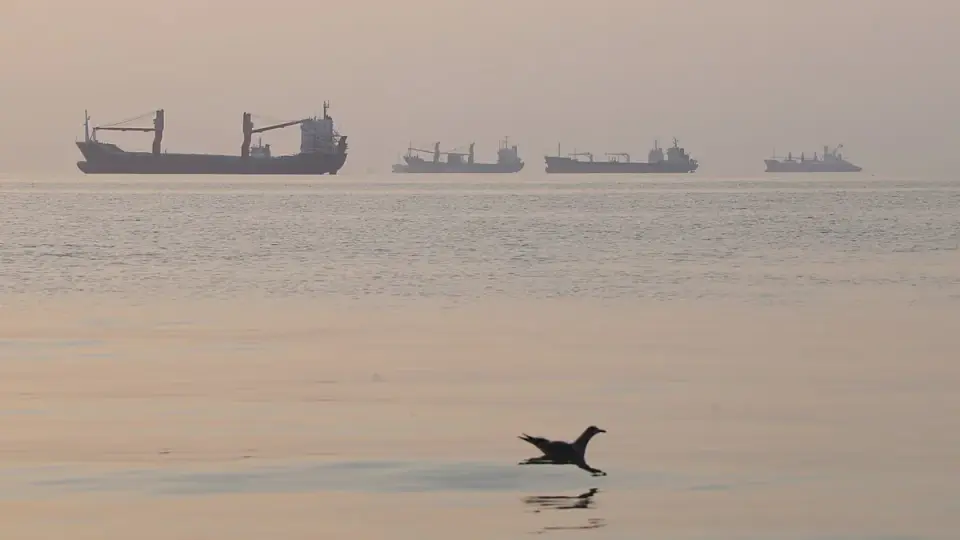
Iran’s Revolutionary Guard reported three tankers caught fire in the Strait of Hormuz on October 30, claiming they ignored warnings and used unauthorized routes. These incidents coincide with the return of Qatari mediators to Tehran to negotiate an end to the U.S.-Iran war, though U.S. Central Command disputes Iranian claims of naval activity in the strait.
Key points
- The Islamic Revolutionary Guard Corps (IRGC) stated that three oil tankers encountered incidents in the eastern and western sections of the Strait of Hormuz on Friday, October 30, after allegedly disabling navigation systems and ignoring radio warnings.
- The IRGC did not identify the vessels, their flags, or the specific cause of the fires, though it claimed the ships were attempting to leave the strait via routes opposed by Tehran with U.S. military support.
- In a separate incident, the UK Maritime Trade Operations (UKMTO) reported that a small boat attached explosive devices to the hull of the tanker Louise 1 near Khasab, Oman, causing a fire in the engine room; all crew were safe, and the vessel resumed its voyage.
- U.S. Central Command Commander Adm. Brad Cooper asserted that main shipping lanes are clear of Iranian mines and that the Iranian navy has been destroyed, rejecting IRGC claims of capturing U.S. drones.
- Qatari mediators returned to Tehran on October 30 to continue negotiations aimed at preventing renewed large-scale U.S. strikes, with Iran expected to respond to a revised proposal by the end of the week.
- Oil prices surged to their highest levels since April, with analysts predicting a trading range of $70 to $90 per barrel even after the conflict ends, driven by uncertainty over the diplomatic pathway.
Background
This escalation follows a series of maritime incidents in the Strait of Hormuz since February 2026, including tanker fires and sinkings reported in October. Previous coverage noted a sharp drop in oil transit volumes from 20.8 million barrels on October 8 to 2.9 million on October 11, although some analysts reported a rebound in flows. The current tensions occur amid ongoing disputes over shipping routes, with Iran demanding coordination for northern routes and the U.S. maintaining that primary lanes remain open.
How outlets are covering it
Euronews and the New York Post both report on the IRGC’s claims of three tankers on fire, but the New York Post specifies that one was a supertanker carrying 2 million barrels, a detail not provided by Euronews. While Euronews highlights the diplomatic efforts by Qatari mediators and the U.S. military’s denial of Iranian naval presence, the New York Post focuses on the economic impact, citing Saxo Bank’s forecast for higher oil prices. Al Jazeera provides broader regional context, noting Houthi denials of attacks on Saudi Arabia and Iranian claims of capturing a U.S. drone, but does not detail the specific tanker incidents in the Strait of Hormuz as extensively as the other two sources. The sources agree on the timing of the incidents and the ongoing diplomatic efforts but differ in emphasis, with Euronews and the New York Post focusing on the maritime security aspect and Al Jazeera on the wider regional conflict dynamics.
Why it matters
The continued incidents in the Strait of Hormuz threaten global energy supplies and could lead to further escalation in the U.S.-Iran war. The success or failure of the Qatari-mediated negotiations will determine whether the conflict de-escalates or leads to renewed large-scale military strikes, potentially affecting oil prices and global economic stability. The dispute over shipping routes and the presence of mines in the strait also raises concerns for international maritime security and the safety of commercial vessels.
What to watch
Iran is expected to respond to the revised proposal from Qatari mediators by the end of the week. The U.S. and Israel are reportedly considering options for extensive military strikes against Iran after the November 3 U.S. midterm elections, although no final decision has been made. Oil prices are likely to remain volatile in the coming weeks, influenced by the outcome of the negotiations and any further maritime incidents in the Strait of Hormuz.
- Iran’s Revolutionary Guard reports three tankers on fire in Strait of Hormuz as talks continue Euronews.com
- Iran war live: Pakistan ‘cautiously optimistic’ on Iran-US de-escalation Al Jazeera
- Ships carrying 2M barrels of oil hit mines, explode in Strait of Hormuz: Iran New York Post
- Tanker in Strait of Hormuz hit by limpet mines, security sources say Reuters
- Iran says 3 tankers strike mines and catch fire in Strait of Hormuz, and other Mideast news AP News
Want the full story? Read the original reporting
Read on Euronews.com