
GOP Strategies Fracture as Trump's Low Approval Threatens House Control
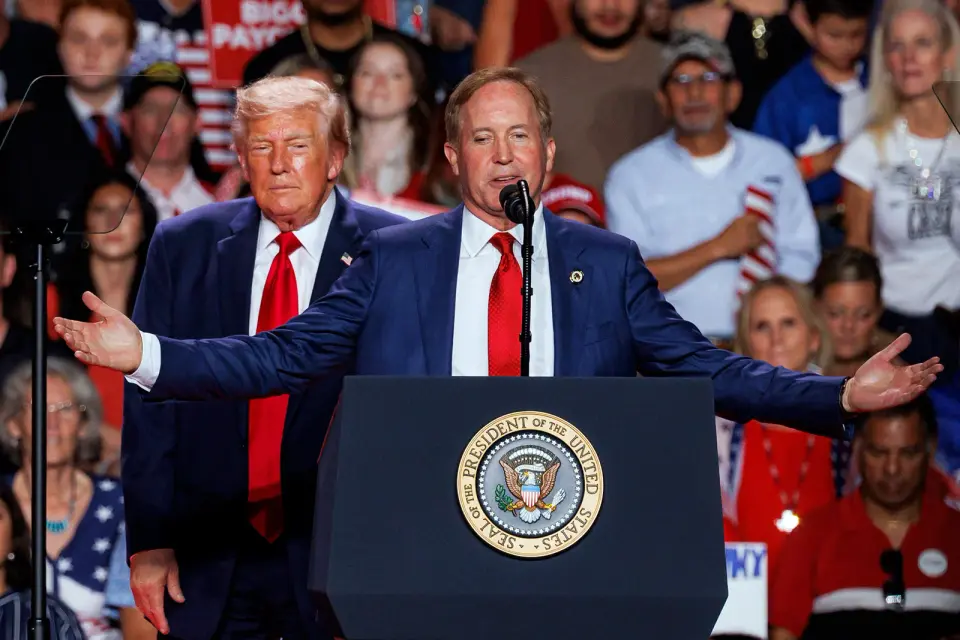
Republican strategists are bracing for a major House loss in the 2026 midterms, with internal divisions over whether to distance from President Trump or rely on massive dark money spending to offset his low approval ratings.
Key points
- Polls show a 12-point national preference for Democratic congressional candidates, with independent voters favoring Democrats by 19 points on the economy.
- Republican groups have outspent Democrats by over $300 million, with Elon Musk contributing over $36 million via his America PAC.
- Key races in Texas, Michigan, and North Carolina are seen as critical, with some strategists arguing that dark money can only save tight races, not hopeless ones.
- A significant internal GOP schism is expected post-election, with factions demanding a return to fiscal conservatism and others blaming Trump for the party's decline.
- Trump's constant nationalization of local races is forcing candidates into a difficult choice between distancing themselves from his policies or fully aligning with his agenda.
Background
This midterm panic follows a series of internal GOP debates in September over whether to abandon lost causes in Georgia and North Carolina to save the Senate majority. Earlier forecasts predicted a 'tidal wave' of Democratic gains, with potential net gains of 25 House seats and six Senate seats. The Dallas GOP convention in September failed to provide a clear economic plan or viral moment to lift down-ballot campaigns, while a recent split over AI data centers highlighted the growing rift between Trump's agenda and local Republican priorities.
How outlets are covering it
Rolling Stone emphasizes the 'five stages of grief' among GOP insiders, highlighting the internal schism and the belief that the House will turn 'very, very blue.' They note that while Trump is a popular brand, his low approval makes it difficult for candidates to defend his record. WCMU Public Media, through strategist Rina Shah, argues that Trump's self-generated grievances (like media fights and DOJ actions) are less effective than the voter frustrations he amplified in 2016 and 2018. Shah notes that while dark money is a major advantage, it cannot erase the Democratic advantage on the economy, and that Trump's refusal to focus on local issues like border enforcement or costs is a 'real downside.' AlterNet, while less focused on specific polling data, reflects the broader narrative of a 'humiliating reality' for MAGA rallies and the 'extinction of the old GOP,' suggesting a more fundamental collapse of the party's traditional base.
Why it matters
The 2026 midterms represent a potential turning point for the Republican Party, with the risk of losing the House majority and a significant internal schism. The outcome will determine whether the party can recover from Trump's low approval ratings and whether the 'fiscal conservatism' faction can regain influence. The massive spending gap between the parties also highlights the growing role of dark money in American elections, with the potential to influence tight races but not necessarily to overcome a national referendum on the president's record.
What to watch
The next three weeks will be critical for Republican candidates, who must decide whether to distance themselves from Trump or fully nationalize their races. The outcome of key races in Texas, Michigan, and North Carolina will be seen as a bellwether for the party's overall performance. Post-election, the GOP is expected to face a 'reckoning' with a renewed focus on fiscal conservatism and a potential exodus of Trump-aligned administration officials.
- ‘Republicans Are F–ked’: GOP Strategists Process Trump’s Impact Ahead of Midterms Rolling Stone
- Political strategist on how Trump's personal grievances could affect the GOP NPR
- ‘Every Day There’s a New Story!’ Former Top Republican White House Staffer Warns Trump Admin ‘Grift’ Poses ‘Big Challenge’ to GOP Yahoo
- Republican strategist on how Trump's personal grievances could affect the GOP WCMU Public Media
- The comet has hit: Former party bigwig on the extinction of the old GOP AlterNet
Want the full story? Read the original reporting
Read on Rolling Stone