
Guinea-Bissau voters approve constitutional overhaul expanding presidential power
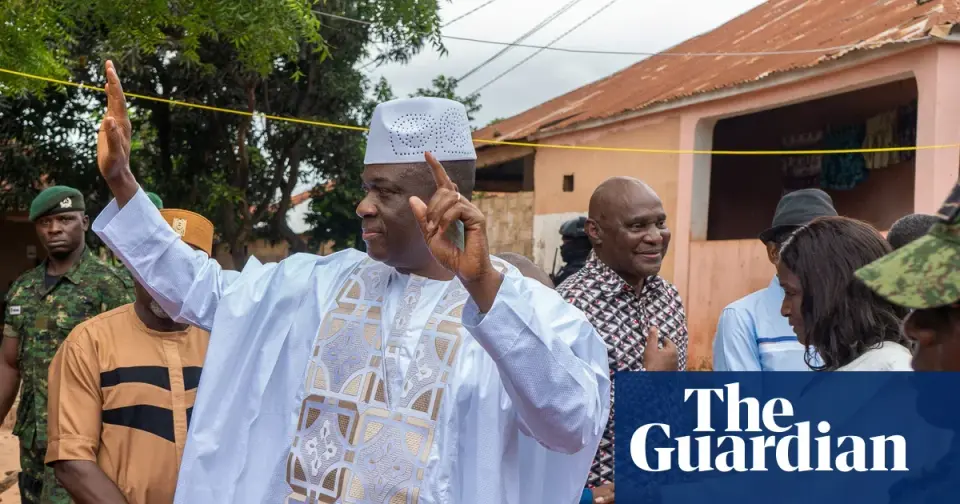
Guinea-Bissau voters approved a new constitution in a referendum with over 55% turnout, with 70% supporting changes that significantly expand presidential authority. The new framework reduces parliamentary seats from 102 to 65 and cuts constituencies from 29 to 12, while allowing the president to appoint and dismiss the prime minister and cabinet. The referendum was organized by the military junta that seized power in November 2025 following a disputed election. Critics, including the main opposition party PAIGC, boycotted the vote, calling it a democratic farce that concentrates power ahead of December elections. The military government argues the changes are necessary to stabilize institutions and prevent future conflicts between the presidency and parliament.
Key points
- Provisional results show 70% of voters approved the new constitution, with turnout estimated at over 55% (approximately 544,060 people).
- The new constitution reduces parliamentary seats from 102 to 65 and cuts electoral constituencies from 29 to 12.
- Presidential powers are expanded to include appointing and dismissing the prime minister and cabinet, creating or abolishing ministries, and dissolving parliament in grave political crises.
- A new requirement mandates presidential candidates live continuously in Guinea-Bissau for five years before voting, potentially targeting diaspora politicians.
- The referendum was organized by the military junta led by Gen Horta Inta-A Na Man, who seized power in November 2025 after a disputed presidential election.
- The main opposition party PAIGC boycotted the vote, calling it a 'democratic farce' and continuation of the coup.
Background
Guinea-Bissau has experienced at least 10 coup attempts since gaining independence from Portugal in 1974, with half being successful. The current military takeover occurred in November 2025 after a disputed presidential election where both candidates claimed victory. The country has been described by the UN as a 'narco-state' due to its coastline's suitability for drug trafficking. Recent regional trends show multiple African nations amending constitutions to extend term lengths or strengthen executive powers, with West and Central Africa experiencing nine coups since 2020.
How outlets are covering it
The military government, led by Gen Horta Inta-A Na Man, argues the constitutional changes are necessary to stabilize institutions and prevent repeated conflicts between presidents and prime ministers that have plagued Guinea-Bissau's politics. Nelson Moreira, second vice-president of the transitional council, stated the outgoing 1993 constitution was often cited as a cause of instability. The BBC notes the changes strengthen the presidency at the expense of the prime minister, altering the semi-presidential system's balance of power. In contrast, the PAIGC opposition party, led by Domingos Simões Pereira, called the referendum a 'democratic farce' and urged supporters to boycott, warning the changes risk concentrating too much power in the presidency. Regional analyst Paul Ejime told the BBC the referendum result did not reflect the will of the people, arguing the changes aim to turn the president into an 'emperor' and calling on ECOWAS to intervene. Africanews reported that while the electoral commission claimed voting took place without incidents, international news agencies reported polling stations were largely empty, with some voters arriving in 'dribs and drabs' due to rain and opposition boycott. The Guardian notes the five-year residency requirement for presidential candidates is believed to target diaspora-based politicians with significant followings.
Why it matters
The constitutional changes reshape Guinea-Bissau's political system ahead of December elections, potentially affecting the country's transition back to civilian rule. The expanded presidential powers could influence future governance stability in a nation that has experienced repeated coups and political turbulence. The referendum outcome may set precedents for other West African nations considering similar constitutional amendments to strengthen executive authority. International observers are watching whether the military authorities will follow through on their pledge to restore civilian rule and how the expanded presidential powers will affect Guinea-Bissau's fragile democratic transition.
What to watch
December 2026 elections will test whether the military authorities honor their commitment to return power to civilian rule. The new constitutional framework will govern these elections, with the expanded presidential powers potentially influencing campaign dynamics and post-election governance. International organizations, including ECOWAS, may monitor the electoral process and potentially intervene if constitutional changes violate regional rules barring member states from altering constitutions within six months of elections. The outcome will determine whether Guinea-Bissau can achieve political stability or continues its cycle of coups and political instability.
- Guinea-Bissau voters approve new constitution expanding presidential powers The Guardian
- Guinea-Bissau referendum approves new constitution that expands president's powers BBC
- Guinea-Bissau referendum nods to expansion of presidential powers Al Jazeera
- Vote counting underway in Guinea-Bissau referendum that could expand presidential powers africanews.com
- Guinea-Bissau votes in a referendum to grant expanded presidential powers ahead of election WCBD News 2
Want the full story? Read the original reporting
Read on The Guardian