
Haiti’s First Lady Registers for 2027 Presidential Election Amid Gang Crisis
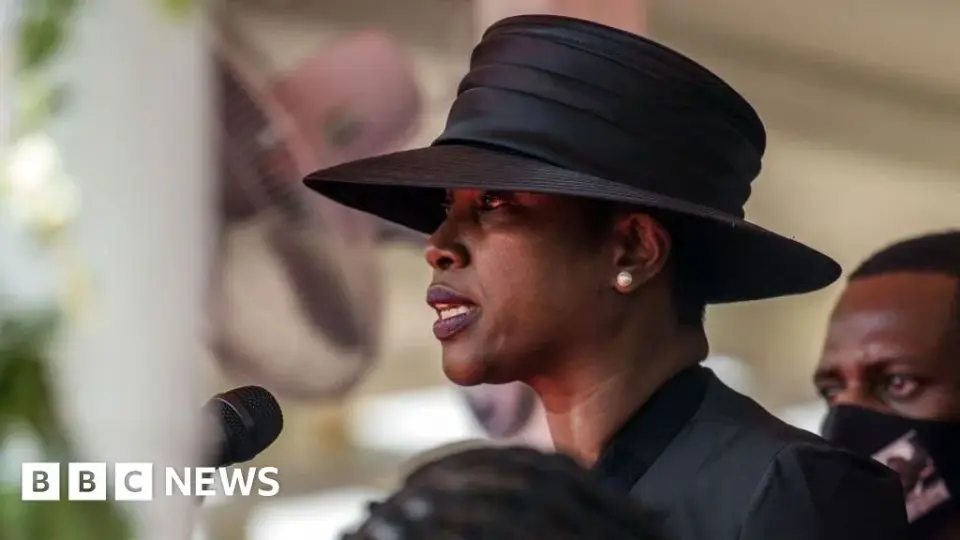
Martine Moise, the widow of assassinated former President Jovenel Moise, has officially registered as a candidate for Haiti’s upcoming presidential election. Her entry into the race marks a significant development in a nation that has not held a presidential vote since 2016. The election, originally scheduled for December, was postponed to July 2027 due to severe insecurity and gang violence. Moise, who was injured during the 2021 assassination of her husband, has not publicly commented on her candidacy but previously stated that Haiti must rise again through different political methods. She is one of 33 registered candidates, including former presidents Michel Martelly and Jocelerme Privert, and former Prime Minister Claude Joseph. The country remains in a state of chronic instability, with over 22,000 people killed and 1.5 million displaced since the 2021 assassination. Recent military interventions by El Salvador have helped regain control of key areas, such as the main stadium, but the political landscape remains fragmented and volatile.
Key points
- Martine Moise registered as a presidential candidate on the Provisional Electoral Council website on Sunday, 15 November 2026.
- The presidential election is scheduled for July 2027, having been postponed from December due to insecurity.
- Haiti has not held a presidential election since 2016, with successive delays citing gang violence and instability.
- Martine Moise was injured in the 2021 assassination of her husband, Jovenel Moise, by alleged Colombian mercenaries.
- There are 33 registered candidates, including former presidents Michel Martelly and Jocelerme Privert, and former Prime Minister Claude Joseph.
- Martine Moise has not publicly commented on her registration but previously stated on X that 'Haiti will rise again on its own two feet, because politics needs to be done differently.'
Background
Haiti has faced prolonged political instability since the 2021 assassination of President Jovenel Moise, leading to a series of transitional governments and delayed elections. The country has struggled with gang violence, with armed groups controlling significant portions of the capital and surrounding regions. Recent international interventions, including deployments by El Salvador, have aimed to restore security, but the political landscape remains fragmented. The 2026 midterm elections in the United States and other global events have not directly impacted Haiti’s internal crisis, but the broader context of international involvement in regional security remains relevant. The archive notes that Haitians are split between supporting Salvadoran troops and fearing escalation, highlighting the complex dynamics of security and political resolution in the country.
How outlets are covering it
BBC and Al Jazeera both confirm Martine Moise’s registration and the postponement of the election to July 2027. BBC emphasizes the lack of public comment from Moise and the list of candidates, while Al Jazeera provides additional context on the humanitarian crisis, including 22,000 deaths and 1.5 million displaced, and the recent military intervention by El Salvador. Al Jazeera also notes that several candidates, including Martelly and Privert, have been sanctioned internationally over allegations of supporting armed gangs, which they deny. Both sources agree on the core facts but differ in emphasis, with Al Jazeera providing more detail on the security situation and international sanctions.
Why it matters
Martine Moise’s candidacy signals a potential shift in Haiti’s political landscape, as she seeks to address the chronic instability and gang violence that have plagued the country since 2021. Her entry into the race, along with other prominent candidates, indicates a growing effort to restore democratic processes in a nation that has not held a presidential election in a decade. The postponement of the election to July 2027 reflects the ongoing challenges of insecurity, but the registration of candidates suggests a move toward political resolution. The international community’s involvement, including El Salvador’s military deployment, underscores the global concern for Haiti’s stability and the need for a political exit strategy to address the humanitarian crisis.
What to watch
The next steps include the first-round vote in July 2027, where 33 candidates will compete. The outcome of the election will likely depend on the ability of candidates to address the security crisis and gain public trust. The international community, including El Salvador and other nations, will continue to monitor the situation and potentially provide support for security and political stability. The registration of Martine Moise and other candidates suggests a growing effort to restore democratic processes, but the success of the election will depend on the ability to address the underlying issues of gang violence and political instability.
- Martine Moise, wife of assassinated ex-Haitian leader, registers for presidential election BBC
- Widow of Haiti's slain leader Moise to contest presidential election Reuters
- Haiti revs up for elections as enrollment closes for presidential and parliamentary candidates AP News
- Widow of former Haitian president registers for 2027 election Yahoo
- Widow of Haiti’s slain leader Moise to contest presidential vote Al Jazeera
Want the full story? Read the original reporting
Read on BBC