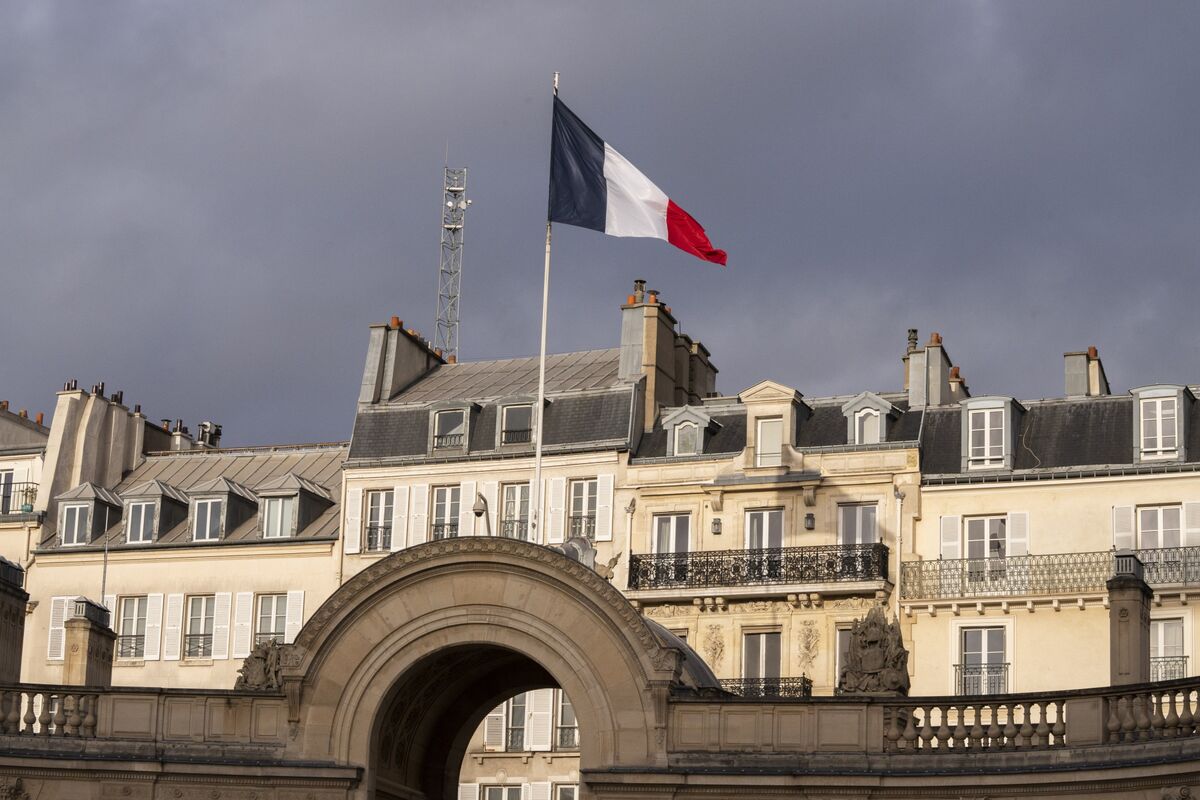
France is approaching a potential debt crisis, with public debt at 119% of GDP and rising bond yields. Political polarization between far-left and far-right candidates, who both threaten EU stability, has spooked investors. The ECB may intervene, but the situation risks broader eurozone instability.
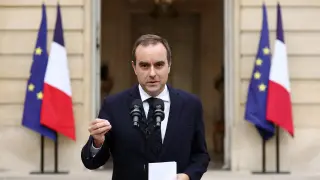
Student protests in France paused briefly, but market pressure intensified as bond yields hit multi-decade highs. Prime Minister Sébastien Lecornu faces a critical budget negotiation next week to address a deficit exceeding 5.1% of GDP, while investors warn of a potential sovereign debt crisis.
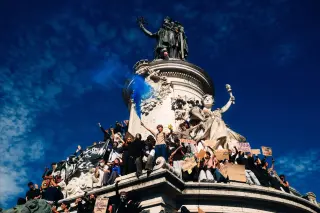
France is experiencing its largest student protests in decades, triggered by long-standing grievances over underfunded schools, overcrowded classrooms, and teacher shortages. What began as a local strike in a Paris suburb in late September has escalated into a national crisis, with hundreds of schools closing and over 6,000 people arrested. On Tuesday, an estimated 250,000 to 450,000 demonstrators marched nationwide, clashing with police who used tear gas and water cannons. The unrest has injured hundreds, including a student who lost a hand, and has intensified political tensions ahead of the 2027 presidential election. While the government promises reforms, critics accuse it of repression and ignoring student demands for basic educational conditions.
French high school students have staged nationwide protests over underfunded education, leading to the closure of over 560 schools and violent clashes with police. The unrest has intensified into what the government calls 'urban violence,' with fires, injuries, and hundreds of arrests. While students cite overcrowded classrooms and poor facilities, the government and far-right parties blame the far-left for inciting chaos. The crisis coincides with a fragile 2027 budget and rising bond yields, complicating the upcoming presidential election.
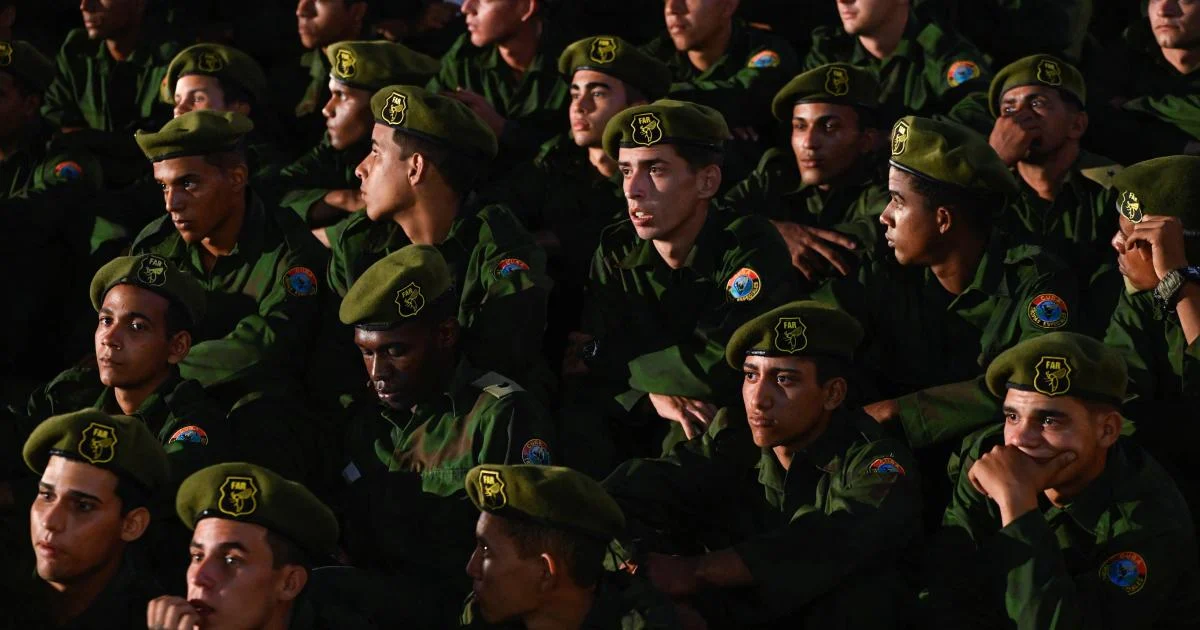
Cuba is facing its worst economic crisis since the Soviet Union's collapse, worsened by external shocks like US sanctions and the pandemic, and internal issues such as failed reforms and political repression, with little sign of meaningful change on the horizon.
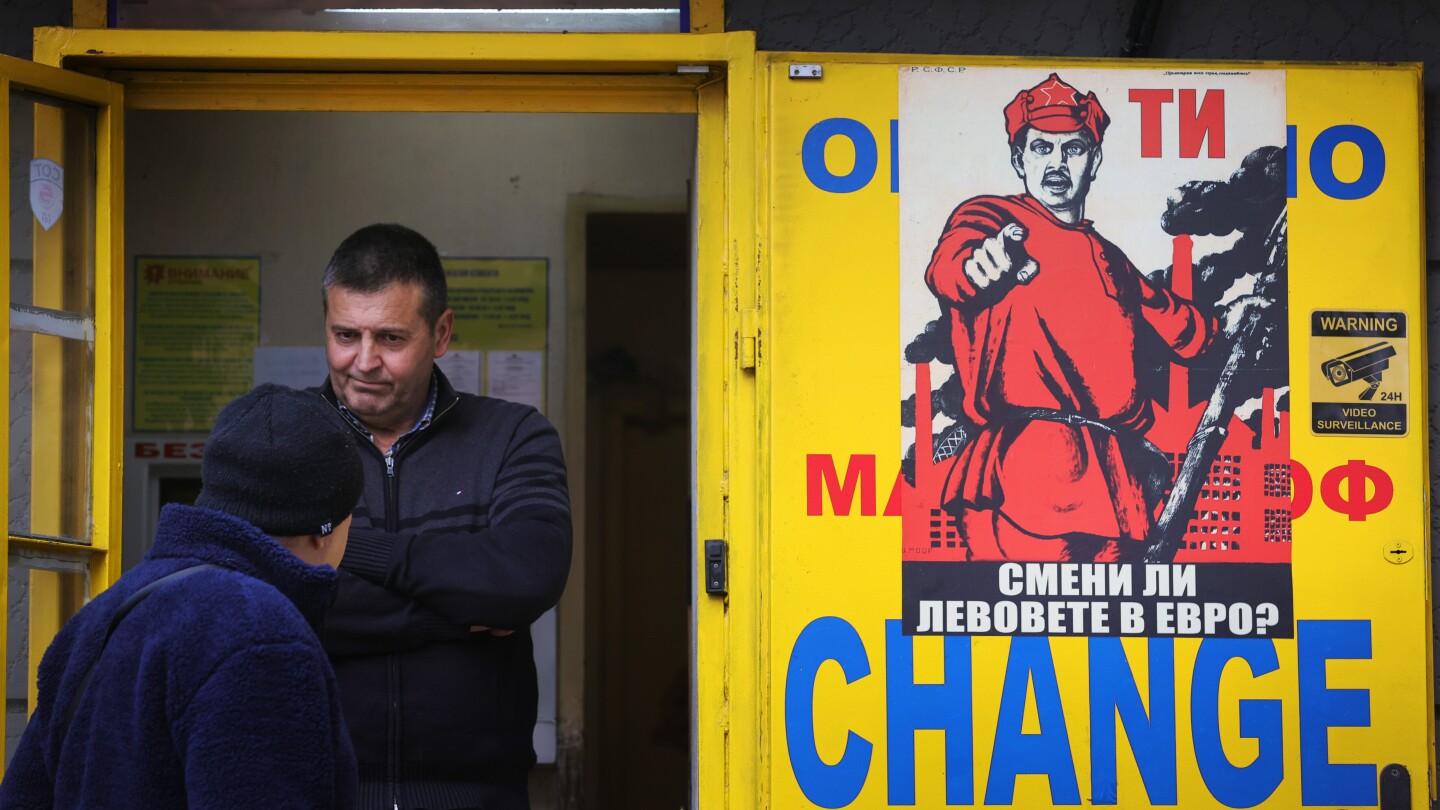
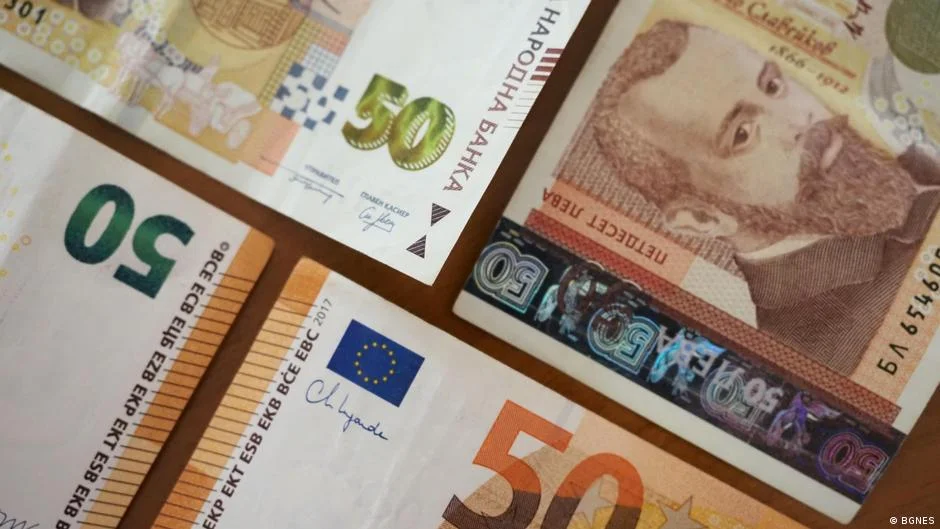
Bulgaria officially joined the euro currency union on New Year's Day, marking a significant step in its EU integration amid political turmoil and public skepticism, with debates over economic benefits and national identity.
Bulgaria is set to join the eurozone on January 1, 2026, marking a significant milestone in its EU integration, supported by stable macroeconomic indicators but challenged by political instability, corruption, and public skepticism. Experts emphasize the need for reforms and caution against overspending post-adoption, while highlighting the geopolitical importance of deeper Western European integration.
In 2025, France faces an unprecedented surge in the desire to emigrate, driven by declining confidence in institutions, political chaos, economic difficulties, and social unrest, leading many to seek better prospects abroad, especially in countries like Canada and Germany.
The year 2025 was marked by global turmoil, including conflicts in Gaza, Sudan, India-Pakistan tensions, climate disasters, and widespread protests, as captured in powerful photographs reflecting deepening crises worldwide.
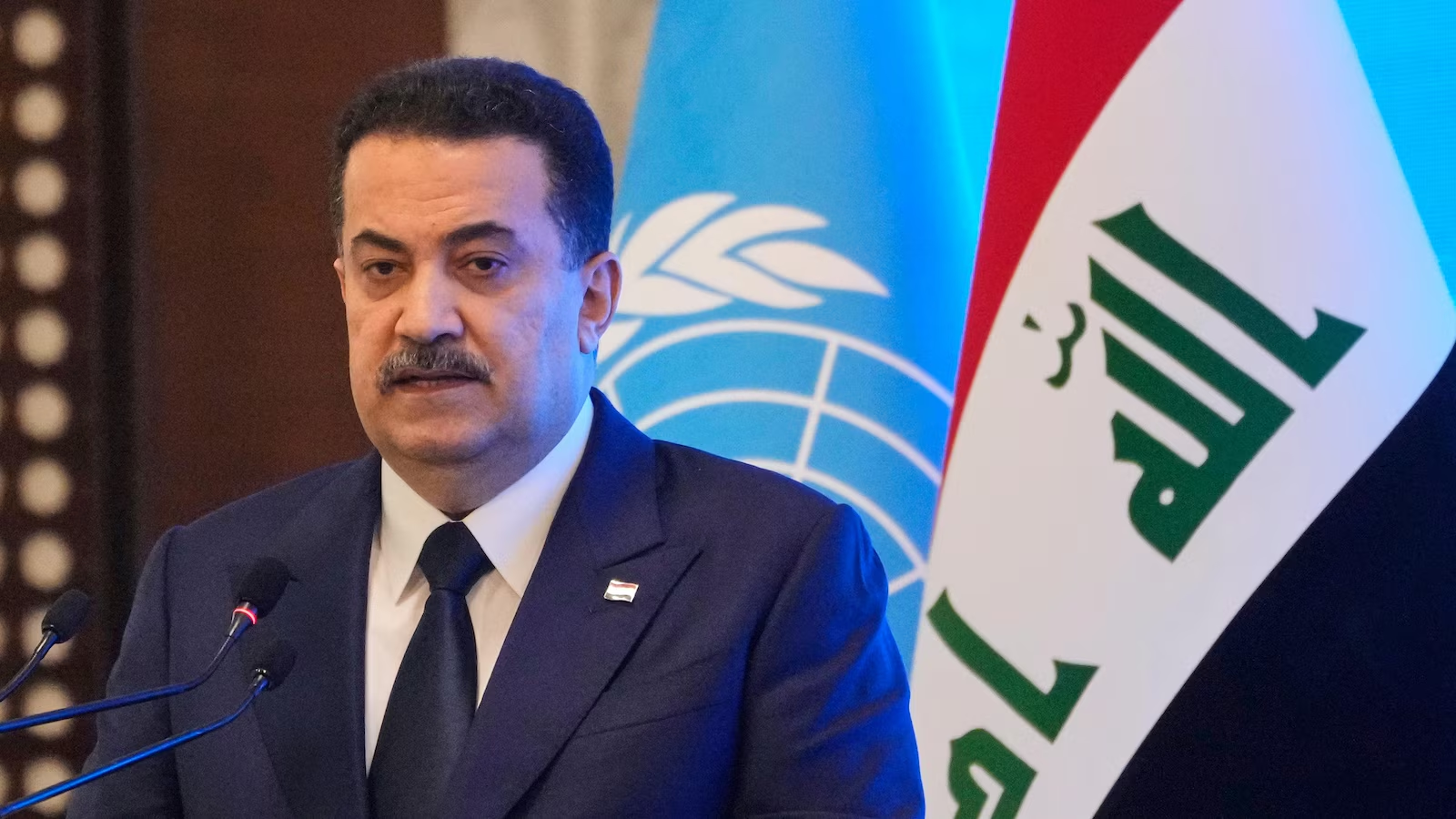
Iraq's political landscape remains uncertain as factions vie for power following a fragmented election, with key issues including forming a government, managing armed groups, regional influences, and economic challenges.
Georgia is actively pursuing its goal to become the Hollywood of the Caucasus by attracting international film productions with generous incentives and diverse locations, but its ambitions are challenged by political instability and concerns over authoritarianism and regional conflicts.
The US has issued a Level 3 travel advisory for Madagascar due to rising crime, protests, and political unrest, warning travelers to reconsider trips, avoid demonstrations, and stay vigilant amid ongoing violence and instability.
S&P Global Ratings downgraded France to A+ from AA- due to elevated budget uncertainty and political instability, potentially impacting bond markets and reflecting ongoing fiscal and political challenges amid a fragile government and economic concerns.
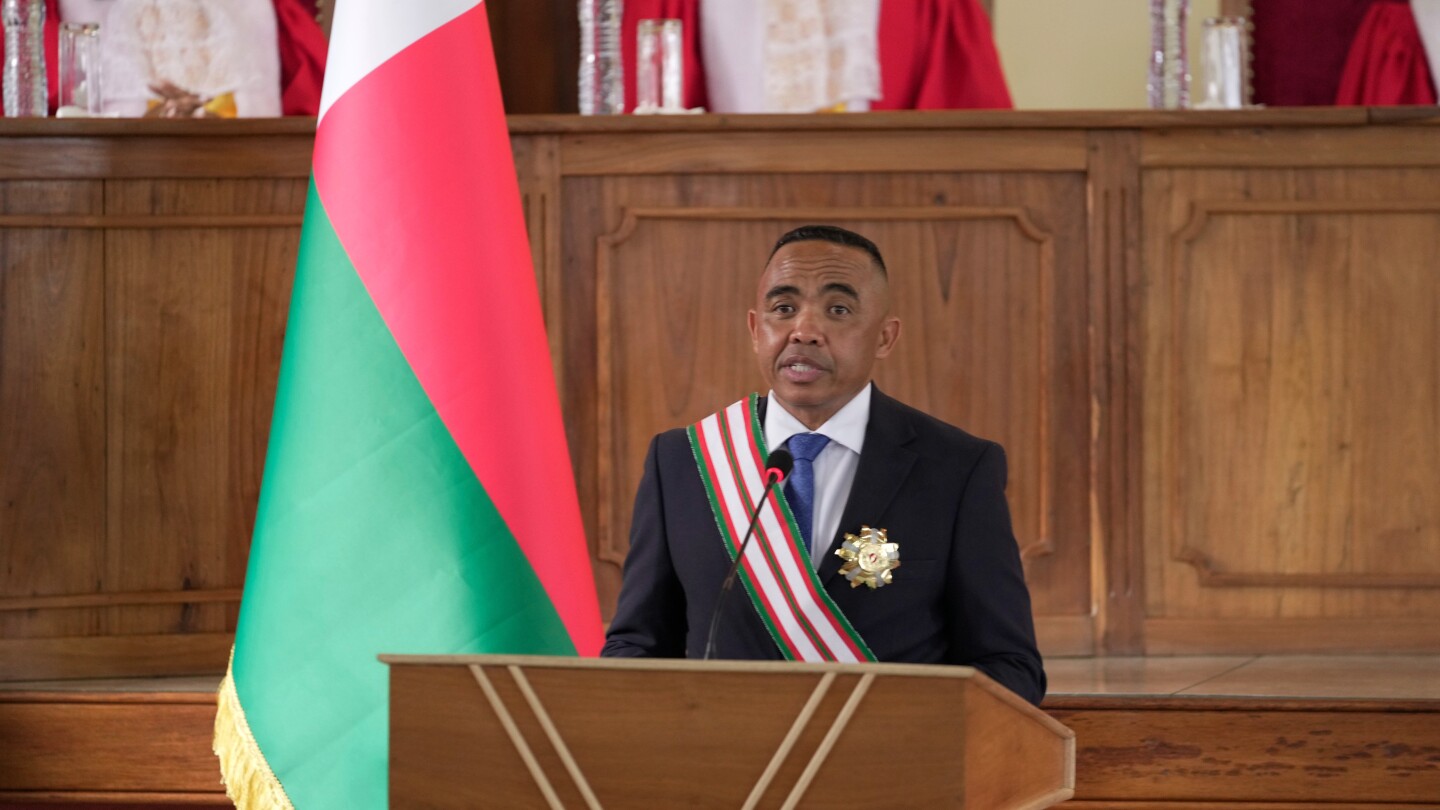
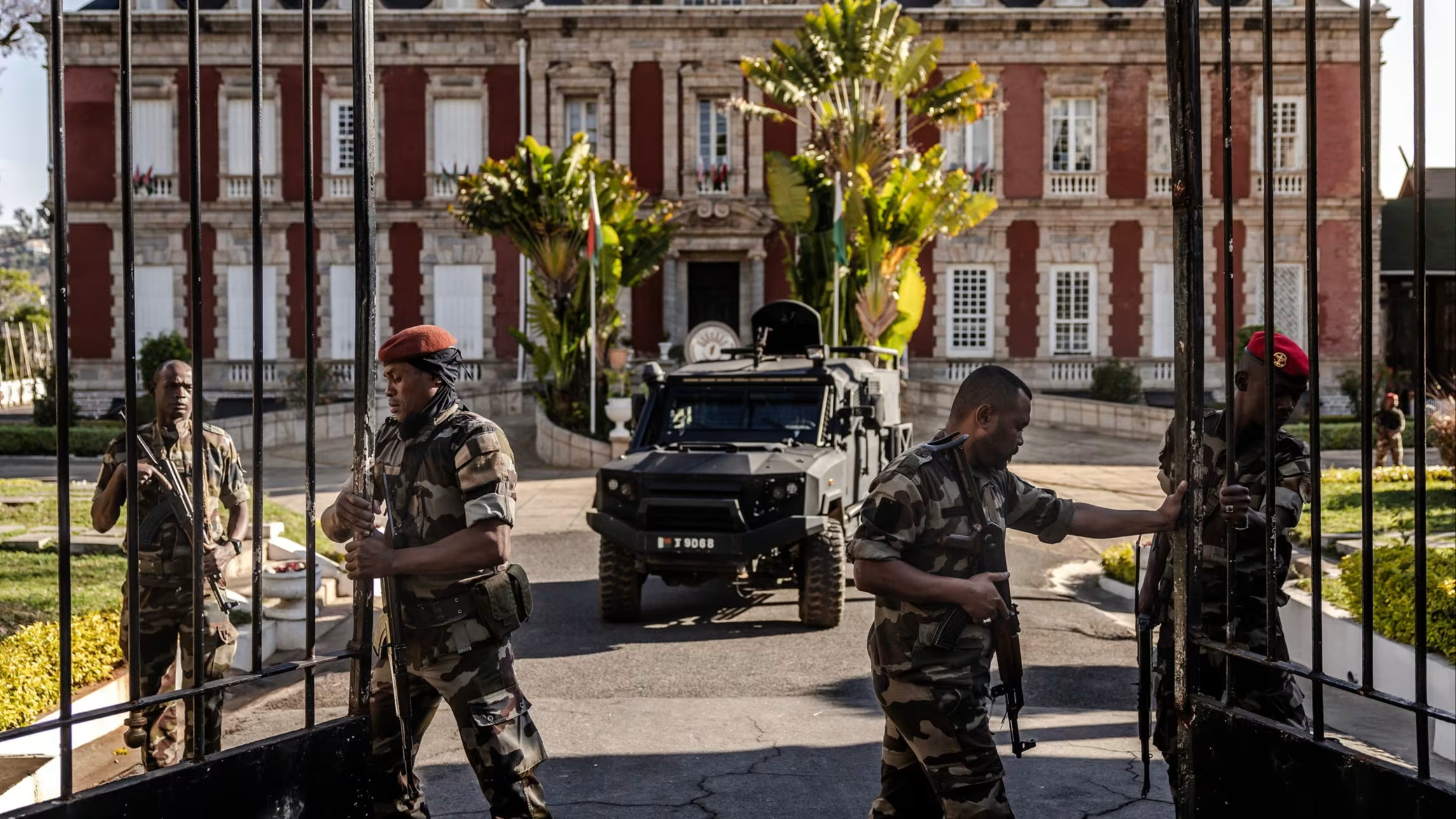
An army colonel, Michael Randrianirina, seized power in Madagascar through a military coup, was sworn in as president, and announced a military-led government for 18 months to two years amid international condemnation and ongoing protests.