
Hardliner Alamolhoda seeks Assembly of Experts presidency amid leadership transition
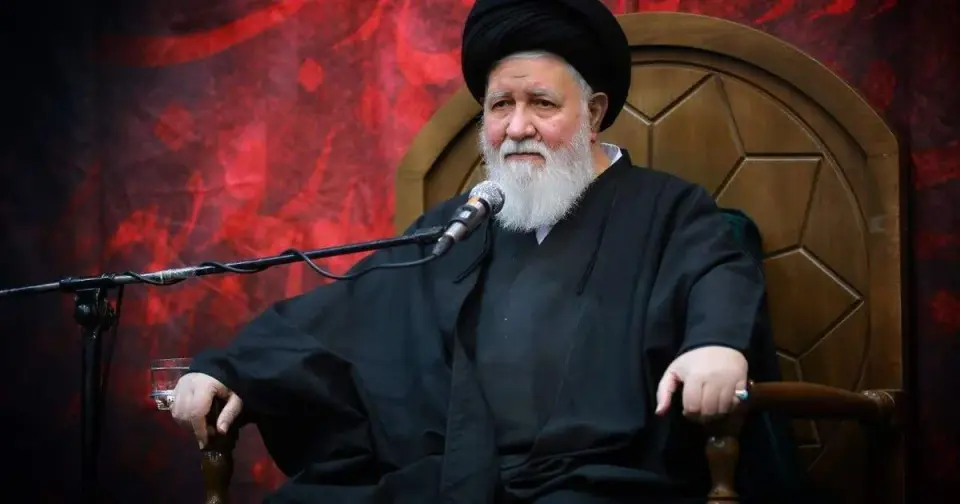
Senior cleric Ahmad Alamolhoda is seeking to become president of Iran’s 88-member Assembly of Experts, a body that selects the supreme leader. The race follows concerns over the health of current president Mohammad-Ali Movahedi-Kermani. Alamolhoda, a hardline figure sanctioned by the EU, faces rivals including Alireza Arafi and Mahmoud Rajabi. This internal contest occurs as Iran navigates a severe economic crisis and ongoing military conflict with the US.
Key points
- Ahmad Alamolhoda, a hardline cleric and Friday prayer leader in Mashhad, is maneuvering for the presidency of the Assembly of Experts, according to Tehran-based outlet Entekhab.
- The race is triggered by health concerns regarding current president Mohammad-Ali Movahedi-Kermani, who was elected in May 2024 with 55 votes.
- Alamolhoda’s main rivals are Alireza Arafi, the assembly’s second deputy president, and Mahmoud Rajabi, head of the Imam Khomeini Educational and Research Institute.
- Alamolhoda is the father-in-law of late President Ebrahim Raisi and has been sanctioned by the EU for human rights violations related to protest suppression.
- The Assembly of Experts recently selected Mojtaba Khamenei as supreme leader following the death of Ali Khamenei, a process that reportedly involved internal divisions.
Background
This leadership contest unfolds against a backdrop of intense geopolitical and economic strain. Iran is currently engaged in a six-month conflict with the US, involving strikes in the Strait of Hormuz and severe economic pressure. The rial has depreciated significantly, and the country faces gas shortages and high inflation. Previous archive coverage highlights that analysts view the US-Iran clash as unlikely to resolve quickly, with Washington using military and economic pressure while Tehran attempts to maintain leverage. The internal political maneuvering for the Assembly presidency occurs as the regime debates whether to pursue diplomatic compromise or continued confrontation amidst these external pressures.
Why it matters
The presidency of the Assembly of Experts is a critical power node in Iran’s political system, as it oversees the supreme leader. Alamolhoda’s potential rise signals a consolidation of hardline influence within the clerical establishment. This shift could impact Iran’s strategic decisions regarding the ongoing war with the US and its nuclear program, potentially favoring a more uncompromising stance over the diplomatic efforts advocated by President Masoud Pezeshkian. The outcome may also influence how the regime manages its severe economic crisis and internal dissent.
What to watch
The next session of the Assembly of Experts will determine the new president, with voting expected to be contentious. The outcome will likely reflect the balance of power between hardline clerics and other factions within the establishment. This decision may influence Iran’s approach to the ongoing US-Iran conflict and its economic policies, as the new leadership will oversee the supreme leader’s tenure. The broader implications for Iran’s stability and foreign policy will depend on how the new assembly president navigates the current crisis.
Want the full story? Read the original reporting
Read on Iran International