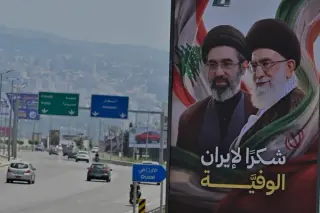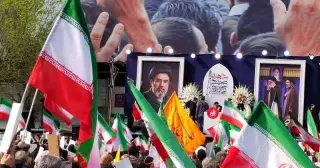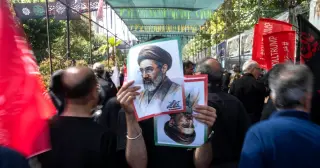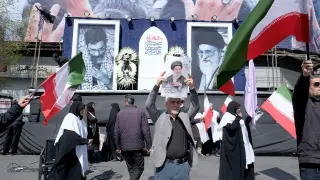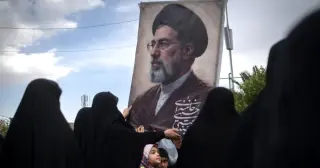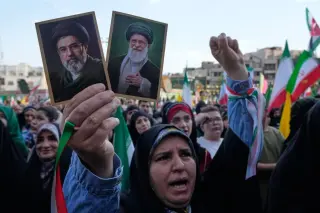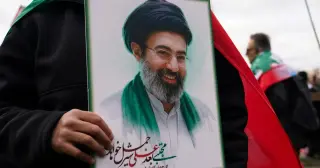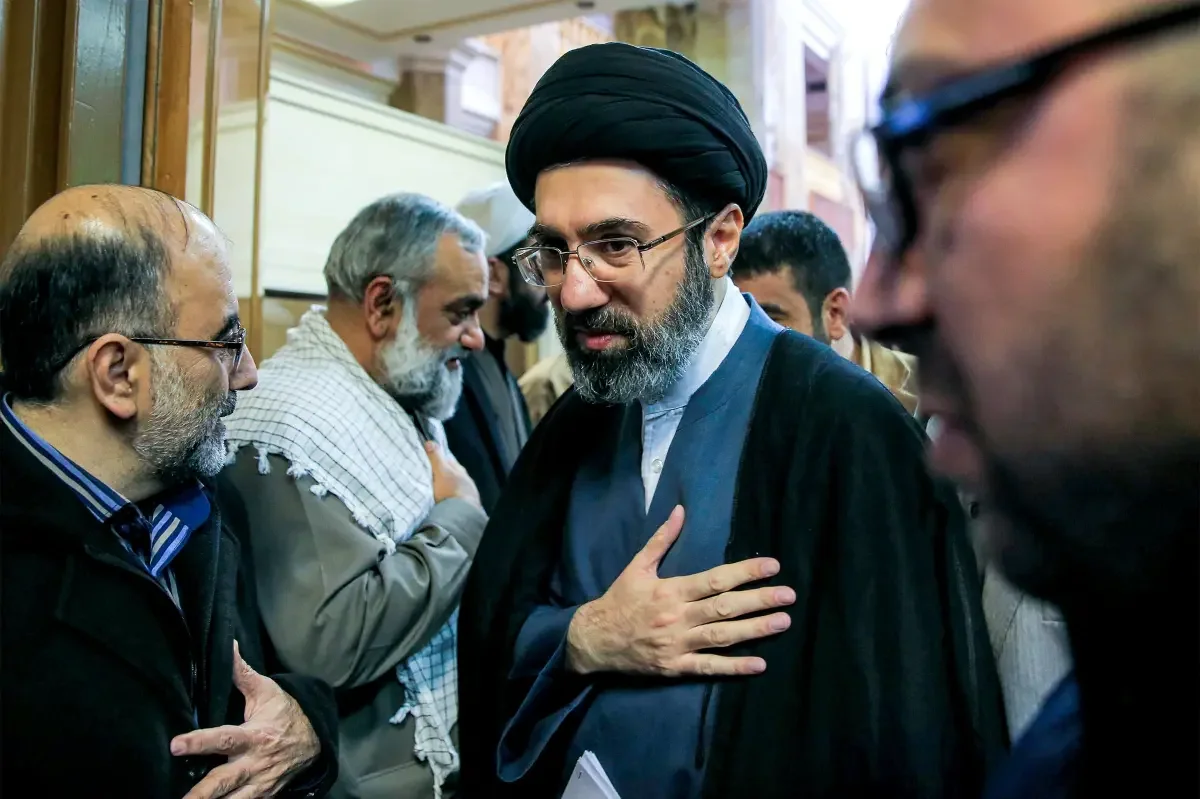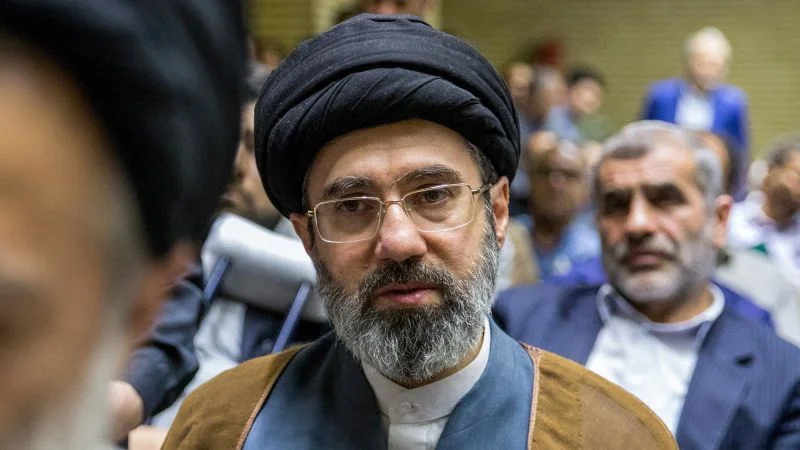
Iran's Supreme Leader Mojtaba Khamenei vowed to protect the country's nuclear and missile capabilities during a state-organised rally in Tehran, signaling resolve amid regional tensions.
Reuters, citing three insiders close to Iran’s inner circle, reports that Mojtaba Khamenei, Iran’s newly named supreme leader, suffered severe facial and leg injuries in the February airstrike that killed his father. Although disfigured, he is said to be directing major decisions via audio meetings, but public appearance and his overall grip on power remain uncertain amid high-stakes Iran-US talks; no official confirmation has been issued.
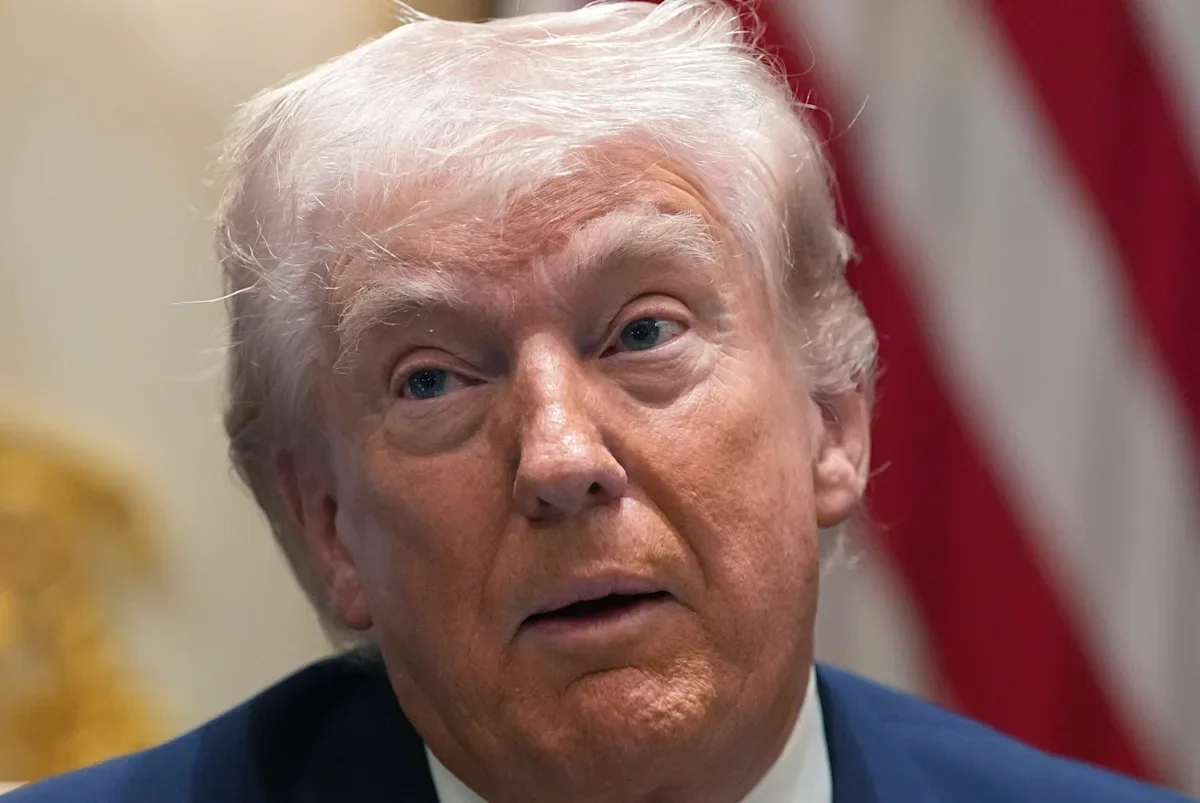
Trump said the U.S. is negotiating with Iranian parliamentary speaker Mohammad Bagher Ghalibaf (not the supreme leader) and that a decision will come in about a week; Ghalibaf denied talks, while Trump described Iran as having a 'new set of people' running a more reasonable regime, according to reporting cited in the piece.
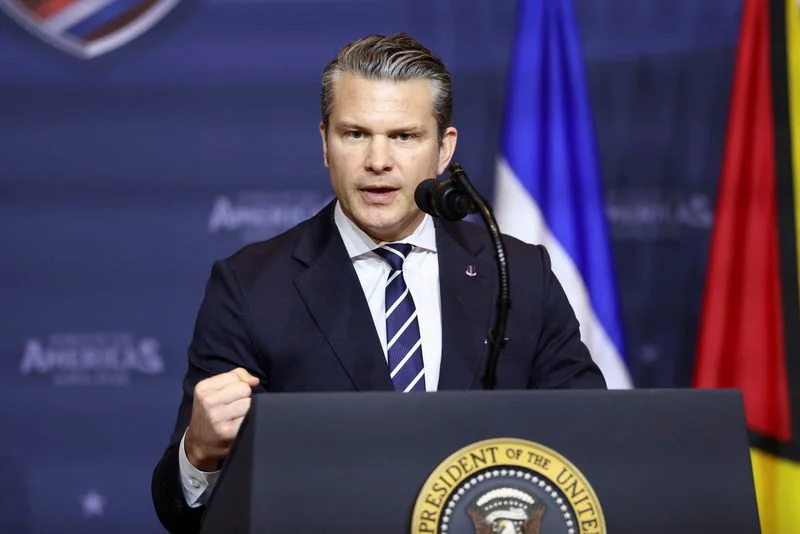
Reuters reports that Mojtaba Khamenei, Iran’s newly named Supreme Leader, is wounded and likely disfigured, according to U.S. Defense Secretary Pete Hegseth, raising questions about his ability to govern amid ongoing U.S.-Israeli strikes. Iran says the injuries are light, but the conflict has intensified: the U.S. has struck thousands of Iran targets, roughly 2,000 Iranians have been killed, and Washington is deploying additional forces including ships and Marines to the region as both sides incur casualties.
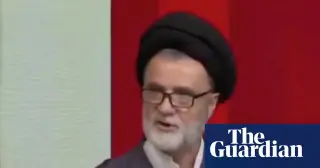
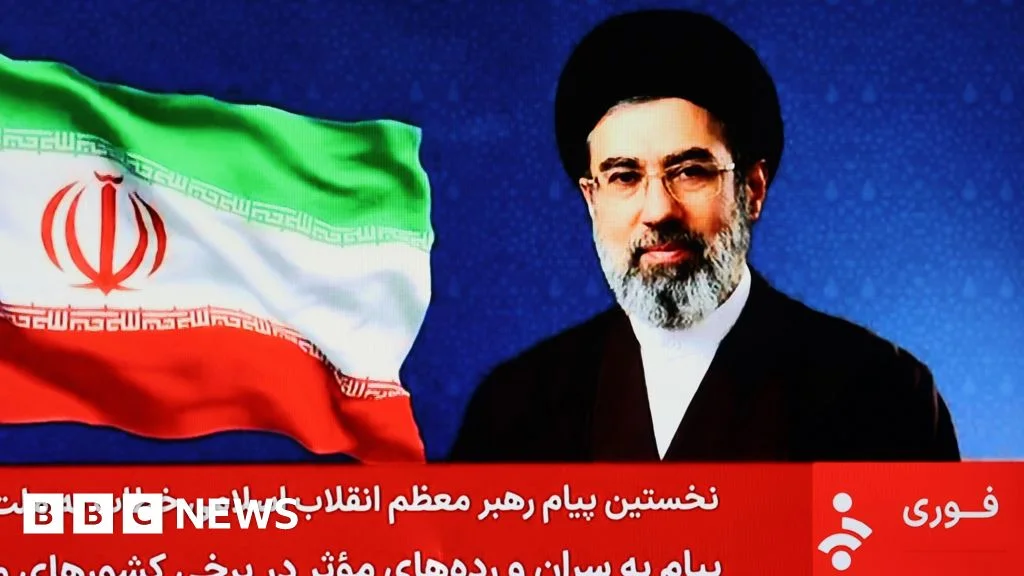
Iranians react with doubt to Mojtaba Khamenei's first official message read on state TV, raising questions about who runs the country, while the regime reiterates hard-line aims—blocking the Strait of Hormuz and seeking revenge for casualties—as protests and pro-regime rallies unfold amid ongoing conflict; the leader has yet to be seen in person.
Mojtaba Khamenei, Iran’s newly named supreme leader, is reportedly wounded—fractured foot, facial injuries and bruising—during the opening wave of US-Israeli airstrikes; Iranian officials cited by The New York Times and other outlets provide varying accounts, with the leader still not seen publicly and the full extent of his injuries unclear, amid reports the attack on Tehran also killed his father, Ayatollah Ali Khamenei.
CNN reports that Iran’s new supreme leader Mojtaba Khamenei suffered a fractured foot and facial injuries on the first day of the US-Israel bombardment campaign, with earlier reports indicating an assassination attempt and limited public appearances tied to his injuries.
Iran’s Assembly of Experts appointed Mojtaba Khamenei, 56, the son of the late Ayatollah Ali Khamenei, as supreme leader following his father’s death in US-Israeli strikes. Seen as a move to ensure continuity and a hardline stance, the decision has backing from the IRGC and Iran’s security establishment. Reactions abroad were mixed: Oman and Iraq offered congratulations; the US’s Donald Trump criticized the choice; Israel condemned it as a continuation of the regime’s brutality; Russia pledged unwavering support, China cited sovereignty, and Yemen’s Houthis welcomed the appointment, all against the backdrop of the ongoing US-Israel war on Iran and Tehran’s broader crisis.
Trump says he’s unhappy with Mojtaba Khamenei’s appointment as Iran’s new supreme leader, accusing Tehran of defying U.S. demands as the US-Israel conflict intensifies; Iran installed the son of the late leader, and analysts say Trump’s stance could complicate U.S. strategy amid widening regional hostilities and rising oil prices.
Iran's Assembly of Experts named Mojtaba Khamenei, the late leader Ali Khamenei's son, as the next supreme leader, placing him in charge of Iran’s armed forces and nuclear policy as Tehran intensifies its war with the U.S. and Israel. The move comes as regional fighting drives oil above $100 a barrel, prompts Saudi warnings, and triggers mass displacement across Lebanon and other fronts.
President Trump told Fox News he is not happy about Iran naming Mojtaba Khamenei as its new supreme leader and says he wants a say in approving Iran's leadership, after previously calling Khamenei a lightweight and warning that the worst case would be a worse successor.
Iran named Ayatollah Mojtaba Khamenei as the new supreme leader after his father’s death, signaling a continued hard-line stance as the US-Israel war widens; regional attacks have spiked oil infrastructure damage and sent Brent crude toward $120 a barrel, raising fears for energy shipments through the Strait of Hormuz.
Iran named Mojtaba Khamenei as its new supreme leader after the assassination of his father Ayatollah Ali Khamenei in US-Israel strikes, with the Assembly of Experts and key security institutions backing him as the region slides deeper into conflict, signaling continuity with a hardline leadership.
Amid escalating U.S.-Israeli strikes on Iran, state TV reported that Mojtaba Khamenei, son of Ayatollah Ali Khamenei, has been chosen as Iran's next supreme leader, signaling continuity in the regime's war strategy. The United States confirmed another service member's death, bringing U.S. casualties to seven, while oil prices jumped above $100 a barrel. President Trump left open the possibility of U.S. ground troops, Tehran rejected cease-fire calls, and regional tensions intensified with attacks on civilian infrastructure and broad regional casualties.
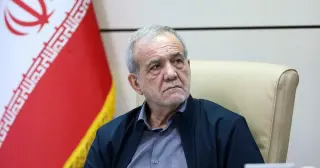
Iran's ruling elite is showing deepening fractures as war with the United States and Israel intensifies, following the death of the Supreme Leader and a decapitation campaign that has killed many senior commanders; hardliners in the Revolutionary Guards push for a bigger role and a tougher stance, while President Masoud Pezeshkian's conciliatory approach triggers backlash and a race to appoint a successor, signaling serious internal divisions even as officials vow unity against external threats.