
Herzog Launches Coalition Talks as Israel Faces Post-Election Impasse
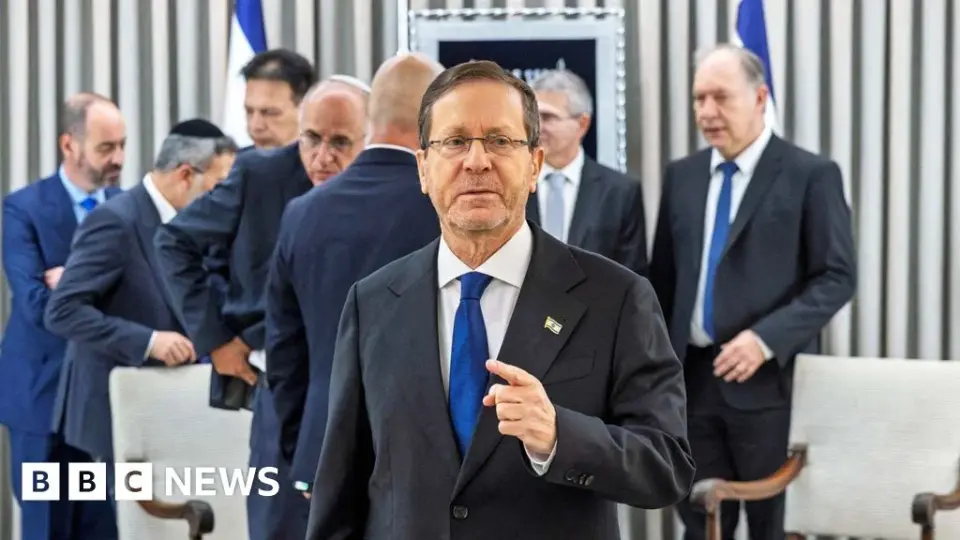
Israeli President Isaac Herzog has begun consultations to form a government after the October 27 election resulted in a deadlock. Neither Benjamin Netanyahu’s bloc (53 seats) nor Gadi Eisenkot’s opposition (48 seats) secured the 61 seats required for a majority. Arab-led parties hold a record 19 seats, making them pivotal kingmakers. While Netanyahu’s camp alleges foreign interference and fraud, election officials certified the results as valid. Herzog warned that compromises are necessary to avoid a new vote, while analysts suggest a unity government or minority coalition may be the only viable paths forward.
Key points
- President Herzog received official results from the Central Elections Committee on November 4, initiating a two-day consultation process with party leaders.
- The 120-seat Knesset is split: Netanyahu’s right-wing bloc holds 53 seats, Eisenkot’s centrist bloc holds 48, and Arab-led alliances hold 19 seats.
- Election officials confirmed no irregularities, rejecting Netanyahu’s claims that Arab parties 'stole' the vote or that foreign funding altered the outcome.
- Herzog stated that 'not every commitment and promise can be fulfilled' to prevent a new election, urging parties to find a path to stability.
- The Shin Bet is investigating allegations of foreign interference, including potential funding from Qatar, though officials say this does not change the certified results.
Background
This follows the October 27 general election, which marked the highest voter turnout in nearly three decades. Previous coverage highlighted the deep divisions in Israeli society, with the election serving as a referendum on Netanyahu’s leadership. The deadlock echoes past impasses between 2019 and 2022, where five elections were held due to failed coalition formations. The current situation is complicated by the unprecedented strength of Arab-led parties, who have become essential to any governing coalition despite prior pledges by Jewish parties not to ally with them.
How outlets are covering it
BBC and Al Jazeera emphasize the legitimacy of the certified results and the democratic duty to accept the outcome, noting that election officials rejected fraud claims. Fox News focuses on the strategic challenges for Eisenkot, suggesting he may fail to form a government due to internal opposition bloc divisions and reluctance to partner with Arab parties. While BBC and Al Jazeera highlight Herzog’s call for compromise, Fox News notes that Netanyahu’s allies, including National Security Minister Itamar Ben-Gvir, are demanding arrests of Arab leaders and refusing to recognize the results. All sources agree that the 19 seats held by Arab parties are the critical variable in determining the next government.
Why it matters
The outcome of these consultations will determine whether Israel forms a stable government or faces another election, potentially exacerbating political instability. The deadlock also raises questions about democratic norms, as Netanyahu’s camp attempts to delegitimize the results. A failure to form a government could lead to a caretaker administration with limited powers, potentially impacting Israel’s ability to respond to regional threats, including tensions with Iran. The role of Arab parties as kingmakers also signals a shift in Israeli politics, challenging traditional coalition dynamics.
What to watch
Herzog will complete consultations by November 5 and select a candidate to form a government, who will have 28 days (with a possible 14-day extension) to build a coalition. If no government is formed, Israel may face a new election early next year. The 26th Knesset is scheduled to be sworn in on November 10, with the current caretaker government continuing to operate in the interim. Analysts suggest that if Eisenkot fails, the mandate may pass to Netanyahu, who could also fail, leading to a 21-day window for any Knesset member to attempt a coalition. A unity government or minority coalition remains the most likely outcome to avoid a new vote.
- Israel's president to begin consultations with parties after election deadlock BBC
- Israel’s President Could Play Key Role in Breaking Post-Election Deadlock The New York Times
- Herzog begins consultation with Shas party The Times of Israel
- Netanyahu faces coalition showdown as rivals maneuver to form Israel's next government Fox News
- Israel vote results confirmed as election commission rejects fraud claims Al Jazeera
Want the full story? Read the original reporting
Read on BBC