
Hungary Publishes Names of 60,000 Communist-Era Informants in Historic Archive Release
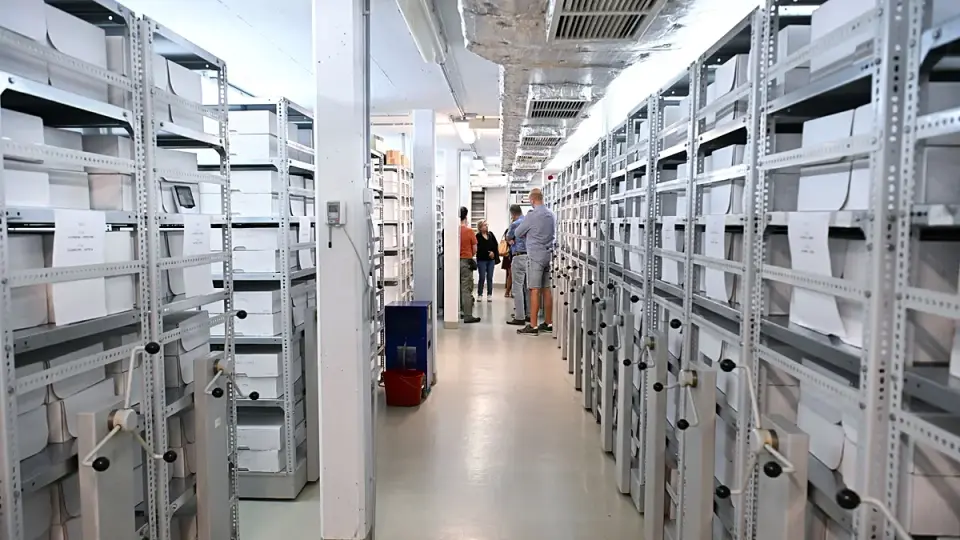
Hungary has released the names of approximately 60,000 individuals who acted as informants for the communist-era secret police, marking the first unrestricted public access to these records since the 1990 democratic transition. Prime Minister Péter Magyar framed the disclosure as a fulfillment of a long-standing promise and a step toward national healing, while critics warn that the incomplete data risks causing family trauma and public division. The initial release, timed to coincide with the anniversary of the 1956 anti-Soviet revolution, includes basic identification data, with more detailed recruitment records scheduled for February 2027.
Key points
- Prime Minister Péter Magyar signed a bill in September 2026 granting unrestricted public access to state security archives, ending decades of restricted access that critics blamed on political reluctance.
- The initial release on November 4, 2026, includes 'Form 6' registration sheets, recruitment registers from 1957–1962, and a database of code names, covering an estimated 50,000 to 60,000 agents.
- A second batch of files, known as 'B-dossiers,' containing detailed recruitment processes and activity levels for about 9,000 informants, is scheduled for release in February 2027 after privacy redactions.
- The government established hotlines for emotional support, acknowledging that families may face difficult information regarding deceased relatives or former acquaintances.
- Historians estimate that only about one-third of the 150,000 total agents from the 1949–1989 era are known by name, with detailed records available for only 10% due to lost or destroyed files.
Background
Hungary has debated the opening of communist-era archives since the fall of the regime in 1989. Previous governments, including those led by Fidesz and socialists, contemplated but refused full disclosure, often using partial leaks for political gain. In 2003, a law allowed individuals to access their own files, but many names were blacked out. The current release follows Magyar’s landslide victory in April 2026, where opening the files was a central campaign promise supported by more than two-thirds of the public. This move follows similar, though later, disclosures in East Germany (1992), the Czech Republic (2003), and Latvia (2018).
How outlets are covering it
Euronews emphasizes the historical significance of fulfilling a 1990 promise and the government’s provision of support services for affected families. BBC highlights the controversy, noting that critics argue the move is too late and risks sowing division, while also pointing out that many files were shredded or blacked out in previous decades. The Guardian focuses on the human impact, quoting historians and family members who warn against judging individuals without understanding the coercion or blackmail that often led to their recruitment. While all sources agree on the scale of the release, they differ on the interpretation of its social consequences: Euronews frames it as a democratic milestone, while BBC and The Guardian highlight the potential for public shaming and the incompleteness of the records.
Why it matters
This release represents a significant shift in Hungary’s approach to its communist past, moving from restricted access to full public transparency. It aims to address decades of political manipulation and silence surrounding state security activities. However, the incomplete nature of the records and the potential for public misjudgment raise concerns about social cohesion and the accuracy of historical narratives. The move also signals a broader effort by the Magyar government to distinguish itself from the previous Orbán-era policies and to align with European democratic norms regarding transparency and accountability.
What to watch
The government plans to release the second batch of detailed 'B-dossiers' in February 2027, which will include more information on the recruitment process and the value of information provided by informants. Public hotlines for emotional support will remain active to assist those affected by the revelations. Historians and civil society groups will likely monitor the public response and the accuracy of the disclosures, while debates over the completeness and reliability of the archives are expected to continue.
- Communist-era informer files released in Hungary Euronews.com
- Hungary opens communist-era secret police files for first time, identifying thousands of informants DW.com
- Secret police files released in Hungary, 37 years after fall of communism BBC
- Hungary's former PM Orban says he rebuffed secret police recruitment Reuters
- ‘Traitors in every family’: Hungary to unmask communist-era informants and confront past The Guardian
Want the full story? Read the original reporting
Read on Euronews.com