
Hungary Seizes $19.5m in Buried Cash During Probe of Ex-Minister Seszták
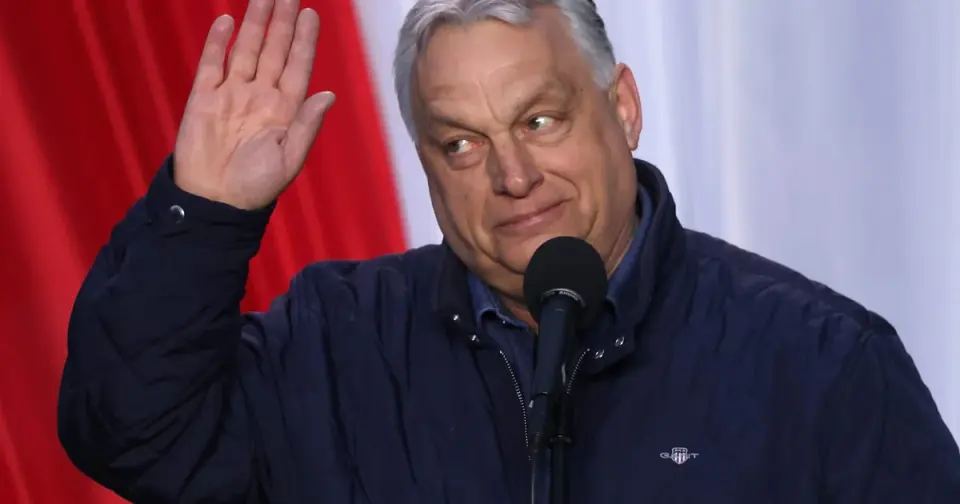
Hungarian authorities recovered nearly $19.5 million in cash hidden in forests, warehouses, and safes during a two-day search linked to former minister Miklós Seszták. The funds, comprising forints, euros, and dollars, were deposited into the state treasury. Prime Minister Péter Magyar declared the seizure a turning point against his predecessor’s regime, while Seszták denies wrongdoing.
Key points
- Investigators found 5,071,632,000 forints, €2,658,350, and $1,257,100 in cash across Budapest, Pest, Békés, and Nógrád counties.
- The cash was discovered in agricultural buildings, residential properties, high-value safes, and buried in forests during searches on November 12 and 13.
- Miklós Seszták, former minister of national development, is under pre-trial detention and accused of bribery related to state transport contracts.
- Finance Minister Kármán András stated that 12 Treasury staff spent eight hours counting the money using five machines.
- Prime Minister Péter Magyar called the discovery the end of the 'Fidesz-KDNP mafia,' while Viktor Orbán dismissed the probe as a political witch hunt.
Background
This development follows Prime Minister Péter Magyar’s landslide victory in April 2026, which ended Viktor Orbán’s 16-year rule. Magyar launched a broad anti-corruption campaign, establishing the National Asset Recovery and Protection Office (NVVH) to investigate alleged graft during the Orbán era. Seszták, along with other former ministers and central bank chief György Matolcsy, has been detained in separate corruption inquiries since September. Orbán has consistently denied allegations of corruption and cronyism, characterizing the new government’s actions as political persecution aimed at eliminating his influence.
How outlets are covering it
All four sources confirm the seizure of approximately $19.5 million in cash and the involvement of the NVVH. However, they differ in emphasis: Politico and The Guardian highlight the specific locations of the hidden cash, including forests and warehouses, while BBC and Al Jazeera focus on the broader anti-corruption drive under Magyar. Al Jazeera provides the most detailed breakdown of the currency amounts and notes that Seszták is suspected of receiving over $37.2 million in bribes, a figure not mentioned in the other sources. BBC and The Guardian emphasize Orbán’s denial of wrongdoing and his characterization of the probes as political revenge, whereas Politico and Al Jazeera focus more on the logistical details of the cash recovery and the government’s response. All sources agree that Seszták denies the allegations and that the cash has been deposited into the state treasury.
Why it matters
The seizure of nearly $19.5 million in hidden cash underscores the intensity of Hungary’s post-Orbán anti-corruption efforts and the potential scale of alleged graft during the previous government. It signals a significant shift in political power and the new government’s commitment to holding former officials accountable. The case also highlights the ongoing tensions between the new administration and Orbán’s supporters, with Orbán framing the investigations as political persecution. The discovery may have broader implications for Hungary’s relationship with the EU, which has long criticized Orbán’s rule as an 'electoral autocracy,' and could influence public opinion on the new government’s anti-corruption agenda.
What to watch
The criminal investigation into Miklós Seszták is expected to continue, with potential charges related to bribery and corruption. The NVVH may pursue further searches and arrests in related cases, including those involving other former ministers and officials. Viktor Orbán is likely to continue denouncing the probes as political persecution, potentially escalating tensions between the new government and his supporters. The case may also draw international attention, particularly from the EU, which has been critical of Orbán’s rule. Public opinion polls suggest that a significant portion of Hungarians support the anti-corruption investigations, which could bolster the new government’s political standing.
- Nearly €20m in cash found buried, hidden in Hungary corruption case POLITICO.eu
- Hungarian authorities uncover $20m during probe of Orbán-era minister BBC
- Hungary recovers $20 million cash in probe of Orban minister Reuters
- Hungary seizes $19.5m in cash found buried in forests amid graft inquiry The Guardian
- Nearly $20m found in Hungary’s forests, buildings amid corruption probe Al Jazeera
Want the full story? Read the original reporting
Read on POLITICO.eu