
IDF briefing tells Netanyahu no urgent need to strike Iran as Eisenkot warns against wartime transition
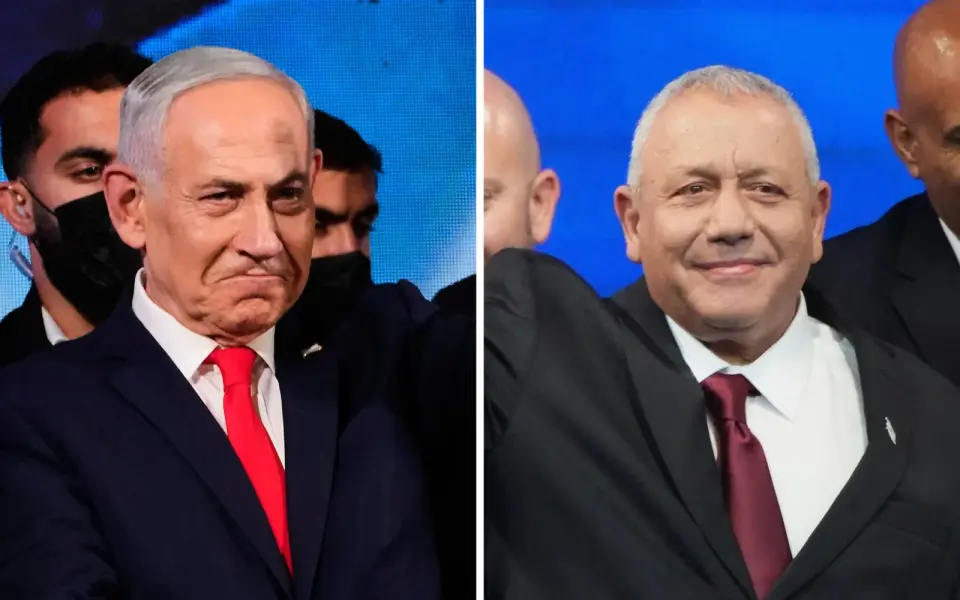
Caretaker Prime Minister Benjamin Netanyahu briefed Yashar party leader Gadi Eisenkot on Iran strategy, but conflicting reports suggest the IDF sees no immediate need for strikes. Eisenkot warned against non-urgent military moves during the political transition, while US Central Command signaled readiness for renewed conflict.
Key points
- Netanyahu and Eisenkot held a security briefing in Jerusalem, attended by military secretary Maj. Gen. Guy Markizeno.
- Channel 13 reported the IDF position is that there is no immediate urgency to strike Iran, though Israel should join if the US resumes attacks.
- Eisenkot told Netanyahu to avoid 'dangerous steps' during the transition and asked Attorney General Gali Baharav-Miara to ensure regular briefings.
- US Central Command recently alerted IDF representatives in the US to prepare for a potential resumption of conflict with Iran.
- President Isaac Herzog mediated the briefing, though the President’s Residence denied involvement.
Background
This follows the October 27, 2026 election, where Netanyahu’s bloc lost its majority. Herzog tasked Eisenkot with forming a government on November 8. Previous coverage noted Netanyahu’s lobbying for pre-election strikes against Iran, which were aborted due to US concerns. The US has since pursued economic pressure and a naval blockade of the Strait of Hormuz, which Iran choked off after US-Israel strikes in late February.
How outlets are covering it
The Times of Israel highlights a source claiming the briefing would change Eisenkot’s view of Netanyahu’s motives, while Channel 13 reports the IDF sees no urgency. Bloomberg emphasizes Eisenkot’s fear that Netanyahu may renew strikes under false pretenses to cling to power. Jewish Insider focuses on Eisenkot’s warning against launching war during coalition talks. WORLD News Group notes the US Central Command’s alert to IDF representatives and the ongoing naval blockade. The outlets differ on whether the briefing was intended to justify immediate action or to reassure Eisenkot against it.
Why it matters
The conflict between the caretaker PM and the incoming leader over Iran strategy could escalate regional tensions or derail the government formation process. A renewed war could disrupt the Strait of Hormuz, further impacting global energy costs and economic stability.
What to watch
Eisenkot has 28 days to form a government. The US and Israel will monitor Iran’s response to the naval blockade and economic pressure. Any shift in US policy could trigger Israeli military action, as per the briefing’s conditional stance.
- Netanyahu-Eisenkot briefing reportedly told IDF sees no urgent need to strike Iran The Times of Israel
- Netanyahu and Eisenkot Clash Over Whether Israel Should Strike Iran Again Bloomberg.com
- Netanyahu Holds Two-Hour Security Briefing With Eisenkot After Repeated Requests Haaretz
- Eisenkot warns Netanyahu against launching war during coalition talks Jewish Insider
- Israeli PM duo briefed on security amid Iran War rumblings WORLD News Group
Want the full story? Read the original reporting
Read on The Times of Israel