
Deported to Panama, an Iranian Christian faces 18 months of legal limbo
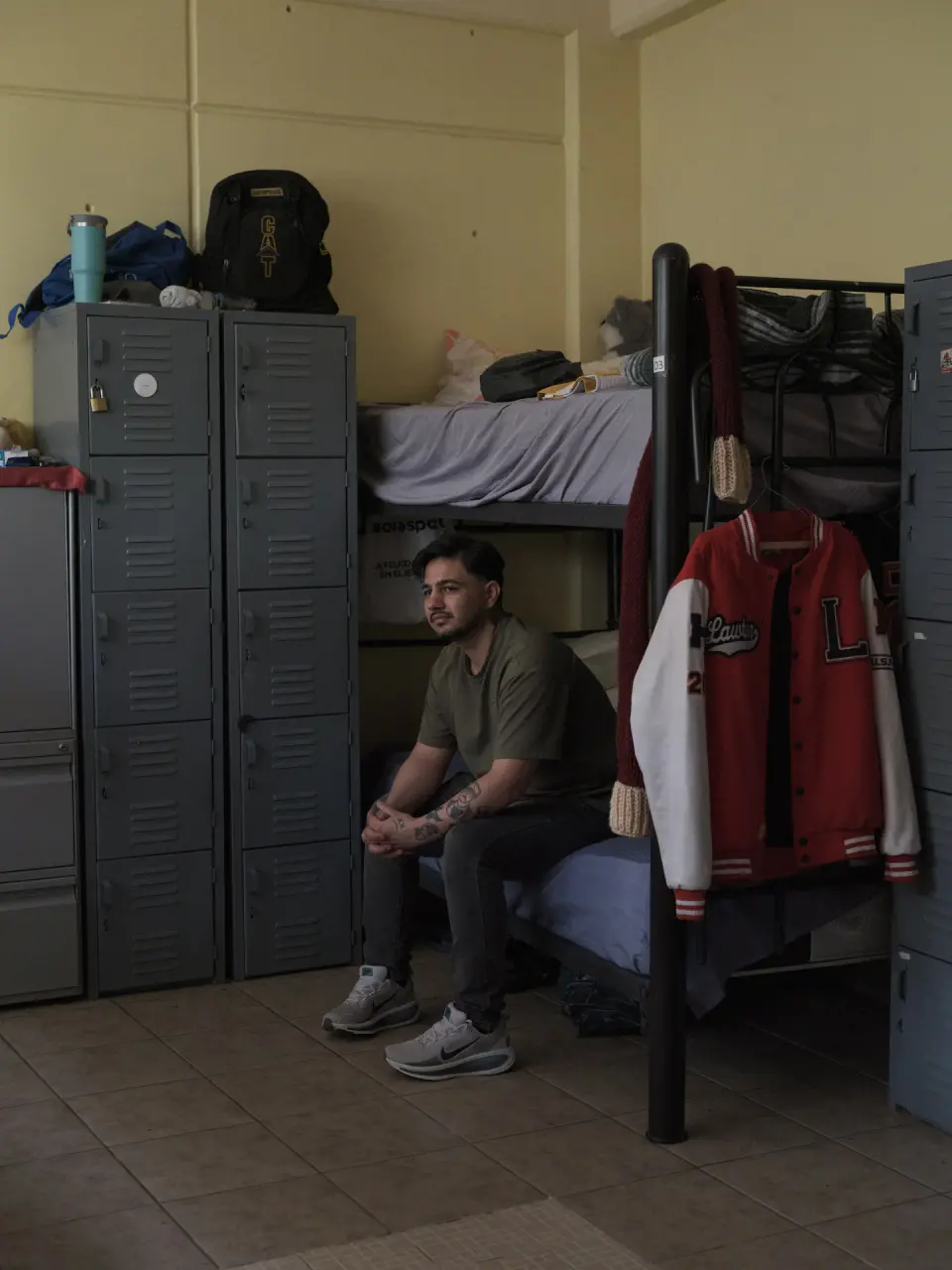
Arsalan Saleh Fard, a 25-year-old Iranian Christian, was deported to Panama by the U.S. government under President Trump’s third-country deportation policy. Unable to return to Iran and lacking legal work rights or permanent residency in Panama, Fard has spent 18 months in legal limbo, sleeping on a mattress on the floor in a shelter. The Washington Post reports that the U.S. had no plan for what would happen after the deportation, leaving Fard in a state of uncertainty. This case highlights the broader challenges faced by migrants under Trump’s immigration policies, which have involved sending individuals to third countries without clear follow-up support or legal pathways.
Key points
- Arsalan Saleh Fard, 25, was deported from the U.S. to Panama under Trump’s third-country deportation policy.
- Fard, an Iranian Christian, sought asylum in the U.S. but was sent to Panama, where he now lives in a shelter.
- The U.S. government had no plan for Fard’s situation after the deportation, leaving him in legal limbo.
- Fard faces language barriers and legal challenges in Panama, with no legal work rights or permanent residency options.
- The case highlights the broader impact of Trump’s immigration policies on migrants’ lives and the challenges of third-country deportations.
Background
This story follows earlier coverage of Iranian Americans’ divided views on U.S. actions in Iran, as well as broader immigration policy shifts under the Trump administration. The case of Arsalan Saleh Fard underscores the human impact of these policies, particularly for individuals who are unable to return to their home countries and lack legal protections in third countries.
Why it matters
The case of Arsalan Saleh Fard illustrates the human cost of Trump’s third-country deportation policy, which has left many migrants in legal limbo without clear support or pathways to stability. It raises questions about the U.S. government’s responsibility to individuals it deports and the long-term consequences of such policies on vulnerable populations.
What to watch
The future of Arsalan Saleh Fard’s situation remains uncertain, as he continues to navigate legal and language barriers in Panama. The broader implications of Trump’s third-country deportation policy may face further scrutiny, particularly as more cases of migrants in limbo emerge. Advocates may push for policy changes or legal interventions to address the lack of support for deported individuals.
Want the full story? Read the original reporting
Read on The Washington Post