
Israel Advances 16,000-Dunam West Bank City Plan for 200,000 Residents
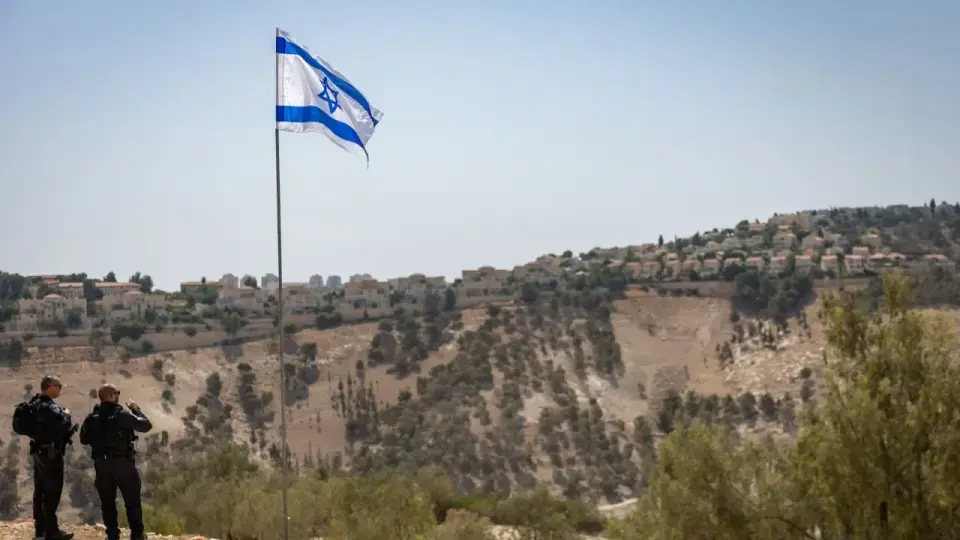
Israel’s Samaria Regional Council is advancing plans for a new city, East Rosh Ha’ayin (Shira), in the West Bank. The project, approved by the security cabinet in December 2025, aims to house 200,000 people on 16,000 dunams. Officials frame it as a security buffer against Palestinian areas, while critics view it as an expansion of illegal settlements that fragments Palestinian land.
Key points
- The planned city, East Rosh Ha’ayin, covers 16,000 dunams and includes 60,000 housing units for over 200,000 residents.
- The project was approved by the Israeli security cabinet in December 2025 and received an official municipal code from the Interior Ministry.
- Samaria Regional Council head Yossi Dagan describes the city as a strategic security belt protecting central Israel from potential attacks.
- The initiative is part of the 'Million in Samaria' plan, which aims to add up to 1.2 million residents to Area C through new infrastructure and housing.
- Critics argue the city obstructs Palestinian geographical contiguity and expands illegal settlements in the occupied West Bank.
Background
This development follows a period of heightened tension in the West Bank, including a major Israeli military operation in Hebron in October 2026 that displaced thousands of Palestinians. Recent months have also seen increased settler violence and land seizures, with ARIJ reporting military orders targeting 30 settlement sites to expand control over Palestinian land.
How outlets are covering it
The Jerusalem Post and Israeli officials present the city as a necessary security measure to prevent an 'October 7-style' attack and to connect Samaria with central Israel. In contrast, the Palestine Chronicle and IMEMC News describe the project as an illegal expansion of settlements that fragments Palestinian land and undermines their development. While all sources agree on the city’s scale and location, they differ sharply on its legality and intent, with Israeli sources emphasizing security and Palestinian sources highlighting displacement and land seizure.
Why it matters
The approval of such a large settlement city signals a significant shift in Israel’s approach to the West Bank, potentially altering the demographic and geographic landscape. It raises concerns about the viability of a two-state solution and intensifies international debate over the legality of settlements under international law.
What to watch
The next steps include the formal establishment of municipal boundaries and the development of infrastructure such as railways and hospitals. International observers will likely monitor the project for compliance with international law, while Palestinian communities may face increased pressure from land seizures and displacement.
- Israel plans new West Bank city for 200,000 residents The Jerusalem Post
- Israel Advances West Bank Settlement City for 200,000 Illegal Settlers Palestine Chronicle
- Report: "Colonial Industrial Zones Undermine Palestinian Development" - IMEMC News
- ARIJ: Settlement plans target 7,600 dunums to expand 30 settlements in the West Bank شبكة يافا الإخبارية
- Palestinian "Wall and Settlement Resistance" Commission: 28 Settler Industrial Zones in West Bank وكالة سبأ
Want the full story? Read the original reporting
Read on The Jerusalem Post