
Israel Certifies 2026 Election Results, Rejecting Netanyahu's Fraud Allegations
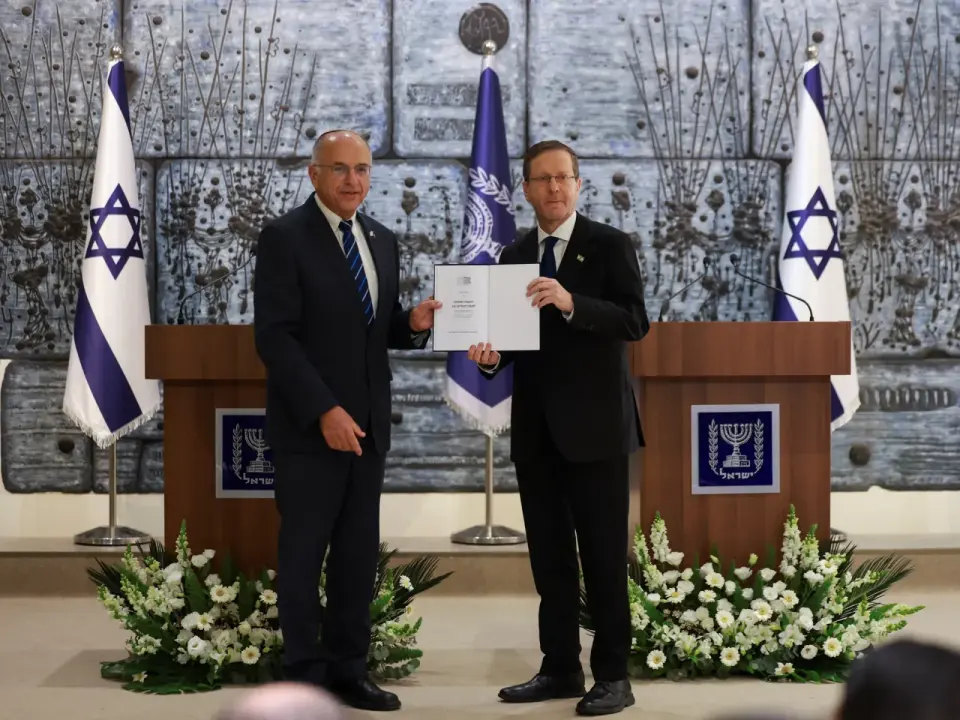
Israel's Central Elections Committee has officially certified the results of the October 27 general election, finding no evidence of fraud that compromised the vote. Prime Minister Benjamin Netanyahu’s Likud party rejected the outcome, alleging foreign interference and theft by Arab-led parties, but the commission confirmed the results after reviewing over 9,000 polling stations. President Isaac Herzog has begun consultations to form a new government, as neither the ruling bloc (53 seats) nor the opposition (48 seats) secured the 61-seat majority needed to govern alone. The 19 seats won by Arab-led parties are now pivotal for coalition formation.
Key points
- The Central Elections Committee certified the October 27 election results, stating that a review of 9,069 polling stations found no irregularities that changed the outcome.
- Netanyahu’s Likud bloc won 53 seats, while Gadi Eisenkot’s opposition bloc secured 48, leaving both short of the 61-seat majority required to form a government.
- Arab-led parties Ra’am and the Joint List achieved a record 19 seats, making them essential for any coalition, despite Netanyahu’s claims that they 'stole' the election with foreign help.
- President Isaac Herzog began two days of consultations with party leaders, starting with smaller factions, to determine who will be tasked with forming a coalition within 28 days.
- Likud and Shas abstained from the certification vote, while Yesh Atid and Blue and White voted to ratify the results; Justice Noam Sohlberg cast the deciding vote to confirm the outcome.
Background
This certification follows a period of intense political deadlock in Israel, where five elections were held between 2019 and 2022 due to similar coalition failures. The current vote saw a significant surge in support for Arab minority parties, who have been vocal in opposing the far-right policies of Netanyahu’s government. Previous archive coverage noted that while Shin Bet reported intelligence regarding foreign influence operations, law enforcement sources disputed the scale of such activities, and Qatar denied funding the Arab-led parties.
Why it matters
The certification of the results prevents an immediate re-election and forces a complex coalition-building process. The deadlock highlights a deepening political crisis in Israel, where the refusal of major parties to cooperate with Arab-led factions may lead to a unity government or a second election in early 2027. The rejection of fraud claims by the judicial and electoral bodies sets a precedent for the integrity of future democratic processes in the country.
What to watch
President Herzog will conclude his consultations on Thursday and select a candidate to form a government, granting them 28 days to build a coalition, with a possible 14-day extension. If no coalition is formed, Israel will face another election early next year. Meanwhile, Shin Bet continues to investigate allegations of foreign interference, though the Attorney General has blocked certain interrogations, leading to a public dispute between security and legal authorities.
Want the full story? Read the original reporting
Read on Al Jazeera