
Israel Election Deadlock: Likud Accuses Qatar of 'Stealing' Vote as Arab Parties Gain Leverage
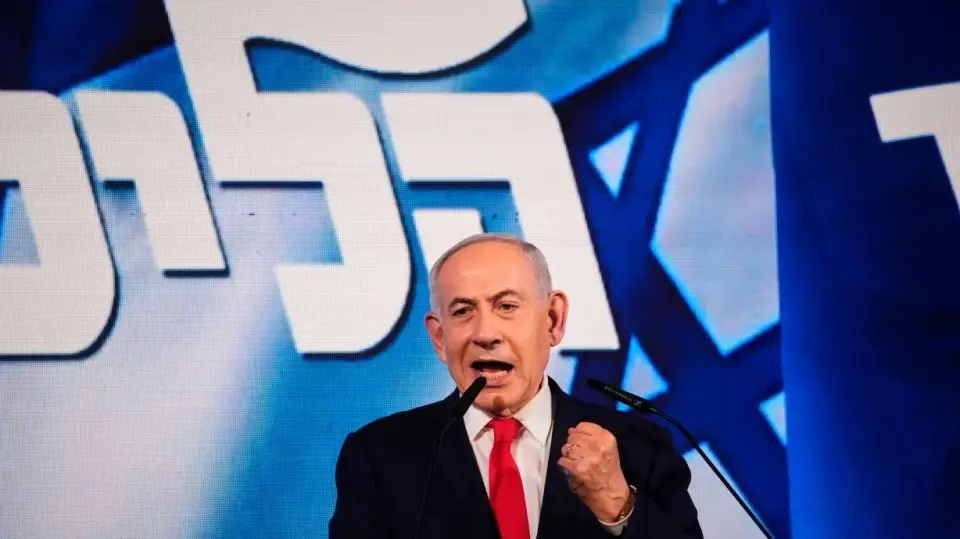
Israeli Prime Minister Benjamin Netanyahu’s Likud party has declared the October 27 election 'stolen,' alleging that Qatar funded efforts to boost Arab voter turnout. Final counts show Netanyahu’s bloc with 53 seats, short of the 61 needed for a majority, while Arab-led parties secured a record 19 seats. Election officials and the Shin Bet security agency have opened a narrow investigation into foreign interference but stated the results remain valid. Opposition leader Gadi Eisenkot, who holds 48 seats, faces a difficult choice: partnering with Arab parties to form a government or risking a new election, which analysts say would likely benefit Netanyahu due to lower expected Arab turnout.
Key points
- Netanyahu’s Likud bloc won 53 seats, while opposition leader Gadi Eisenkot’s bloc won 48; neither reached the 61-seat majority required to govern.
- Arab-led parties, including the Joint List and Ra’am, secured a combined 19 seats, a historic high driven by near-record turnout of 75-80%.
- Likud alleged that Qatar bribed voters and used software to manipulate the vote, claiming the election was 'stolen' to prevent a right-wing government.
- Election officials and the Shin Bet confirmed an investigation into foreign interference but emphasized it is narrow in scope and does not invalidate the vote or implicate the entire Arab community.
- Qatar denied the allegations as 'ridiculous and dangerous,' while Arab party leaders accused Netanyahu of using the claims to delegitimize the results and block coalition talks.
- If no government is formed, Israel faces a new election early next year; analysts warn that a repeat vote could see Arab turnout drop significantly, potentially helping Netanyahu.
Background
This election followed a period of intense political polarization, with Netanyahu’s government facing criticism for its handling of the October 7, 2023, Hamas attack and ongoing corruption allegations. Previous polls indicated a likely stalemate, with Arab voter turnout expected to be the decisive factor. The current dispute over election integrity echoes earlier tensions regarding the role of Arab parties in Israeli politics, though their current seat count is the highest in history.
How outlets are covering it
KSL News and The Washington Post highlight the stark contrast between Likud’s inflammatory claims of a 'stolen' election and the official stance of election officials, who maintain the vote was conducted lawfully. Fox News emphasizes the strategic dilemma for the opposition, noting that while Eisenkot’s bloc needs Arab support to reach a majority, many Zionist parties have historically refused to cooperate with Arab lists, creating a political risk. The Jewish Telegraphic Agency focuses on the legal and procedural aspects, noting that while a court could theoretically invalidate the election, officials have not indicated this is under consideration. All sources agree that the allegations have cast a shadow over the vote, but they differ on the likelihood of a successful coalition: Fox News and JTA suggest the path is 'highly unlikely' or 'inconceivable' for some, while KSL and The Washington Post note that Eisenkot has indicated he is open to talks with conditions.
Why it matters
The outcome determines whether Netanyahu remains in power, facing potential criminal trials and security inquiries, or is replaced by a government that may include Arab partners for the first time in a formal coalition. The allegations of foreign interference could set a precedent for challenging democratic processes in Israel and may influence future voter behavior, particularly among Arab citizens, who could face reduced turnout in subsequent elections if their votes are perceived as delegitimized.
What to watch
The Shin Bet is expected to provide findings within one week, ahead of the deadline for filing election appeals. President Isaac Herzog will certify the results and decide which leader gets the first shot at forming a government. If no majority is formed after multiple attempts, Israel will face a new election early next year. The investigation’s outcome will determine whether any specific ballots are invalidated, though officials have stated the overall results are not at risk.
- Netanyahu's party claims election 'stolen' as results show him losing majority KSL News
- Netanyahu alleges fraud as Arab parties score record gains — emerge as potential kingmakers Fox News
- Netanyahu isn’t acting like he won the election. Here’s what that could mean The Times of Israel
- Election officials reject Netanyahu’s claim of widespread Qatari election meddling Jewish Telegraphic Agency
- Netanyahu alleges stolen election as he seeks political survival amid uncertainty The Washington Post
Want the full story? Read the original reporting
Read on KSL News