
Israelis fracture over Netanyahu’s Oct. 7 accountability as election looms
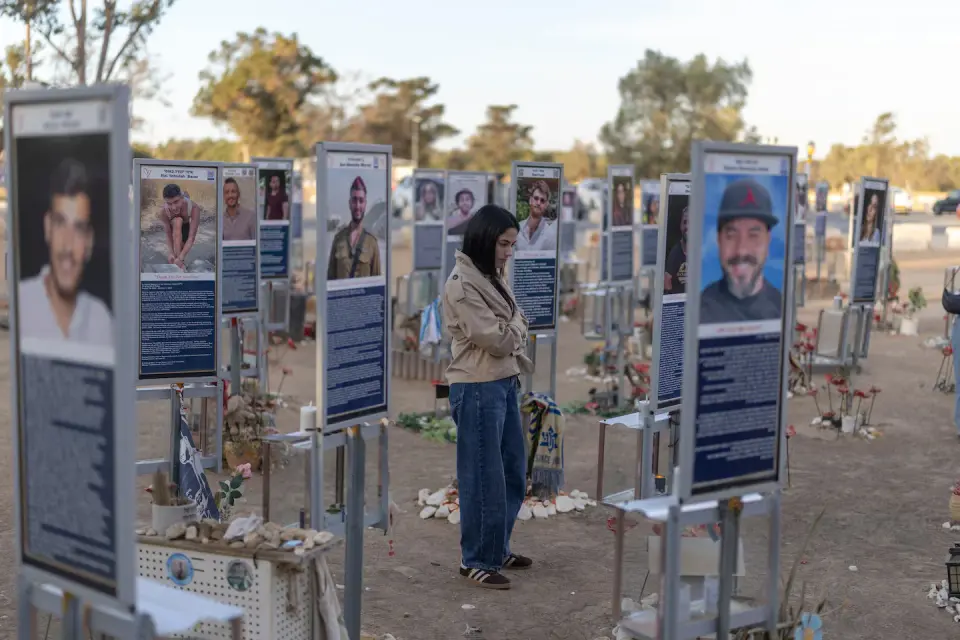
Three years after the Hamas attack, Israeli voters are deeply divided over Prime Minister Benjamin Netanyahu’s role in the security failure. While some survivors and families demand an independent investigation and his removal, others view him as the necessary wartime leader. With polls showing a tight race and no clear majority, the October 27 vote is seen as a referendum on whether to hold Netanyahu accountable for the 1,200 deaths and 251 hostages taken on October 7, 2023, or to continue his strategy of military escalation.
Key points
- The October 27 election is widely viewed as a referendum on Netanyahu’s leadership, with polls showing his Likud party trailing former military chief Gadi Eisenkot’s bloc, though neither side is guaranteed a 61-seat majority in the 120-seat Knesset.
- Netanyahu has refused to authorize an independent commission of inquiry into the October 7 security collapse, blaming security chiefs instead, while his opponents, including Eisenkot and President Isaac Herzog, demand an investigation similar to the 1973 Agranat Commission.
- Recent reporting suggests Netanyahu received warnings from the UAE and Egypt before the attack, claims he denies and has pursued legal action against media outlets for reporting; his wife Sara Netanyahu has also fueled conspiracy theories about rival Yair Golan having advance knowledge.
- Opinions among victims’ families are split: some, like Merav Svirsky and Einav Zangauker, demand accountability and a change in leadership, while others, like Rom Braslavski and Tzvika Mor, support Netanyahu for his military campaigns and fear a return to a coalition including Arab parties.
- The election outcome could impact Netanyahu’s ongoing corruption trial, as losing power would remove his ability to delay proceedings, while winning could allow him to argue for acquittal by the people and potentially obstruct the trial further.
Background
This election follows three years of conflict, including the war in Gaza, which has resulted in over 70,000 deaths according to the Gaza Health Ministry, and engagements in Lebanon and Iran. The political landscape has shifted since the 2023 attacks, with Netanyahu initially facing near-certain defeat but maintaining power through military campaigns and political maneuvering. Previous coverage highlighted Netanyahu’s legal battles over reports of pre-attack warnings from the UAE and Egypt, and the defamation disputes surrounding Sara Netanyahu’s comments about Yair Golan.
How outlets are covering it
The Washington Post and The New Yorker emphasize the moral and political reckoning demanded by victims’ families, highlighting the lack of an independent investigation and the division among those affected. AP News and Axios focus on the political dynamics, noting the tight polls and the potential for a hung parliament or a minority government. Axios specifically details the impact of foreign warnings and the role of U.S. President Donald Trump, who has privately blamed Netanyahu but has not endorsed him. The New Yorker also highlights the smear campaigns against critics, including the Channel 14 host’s attacks on hostage families, and the broader strategy of deflecting blame to security chiefs and foreign adversaries.
Why it matters
The election determines whether Israel will pursue accountability for the October 7 security failure or continue Netanyahu’s strategy of military escalation. It also has implications for Netanyahu’s legal future, as his political survival could influence his ongoing corruption trial. The outcome may affect Israel’s international relations, particularly with the U.S., and the future of peace efforts with Palestinians, as some survivors advocate for peace while others prioritize security and deterrence.
What to watch
The October 27 election will determine if Netanyahu retains power or if a new coalition, potentially led by Gadi Eisenkot, takes over. If no majority is formed, a hung parliament could lead to a caretaker government or another election. The results will also influence the U.S. midterms and potential debates over arms sales and military assistance to Israel. Netanyahu’s legal proceedings may be affected by his political outcome, with potential for further obstruction if he remains in power.
- Israelis scarred by Oct. 7 attack weigh Netanyahu’s political future The Washington Post
- Scars from Oct. 7 fuel deep divisions over Netanyahu ahead of Israeli election AP News
- 3 years later, Netanyahu faces reckoning over Oct. 7 in Israeli election Axios
- Will Netanyahu Escape His Reckoning? The New Yorker
- Poll finds Oct. 7 a central factor in most Israelis’ election decision-making The Times of Israel
Want the full story? Read the original reporting
Read on The Washington Post