
Israelis Vote Amid Denials of Pre-Election Iran Escalation and AI-Generated Nuclear Threats
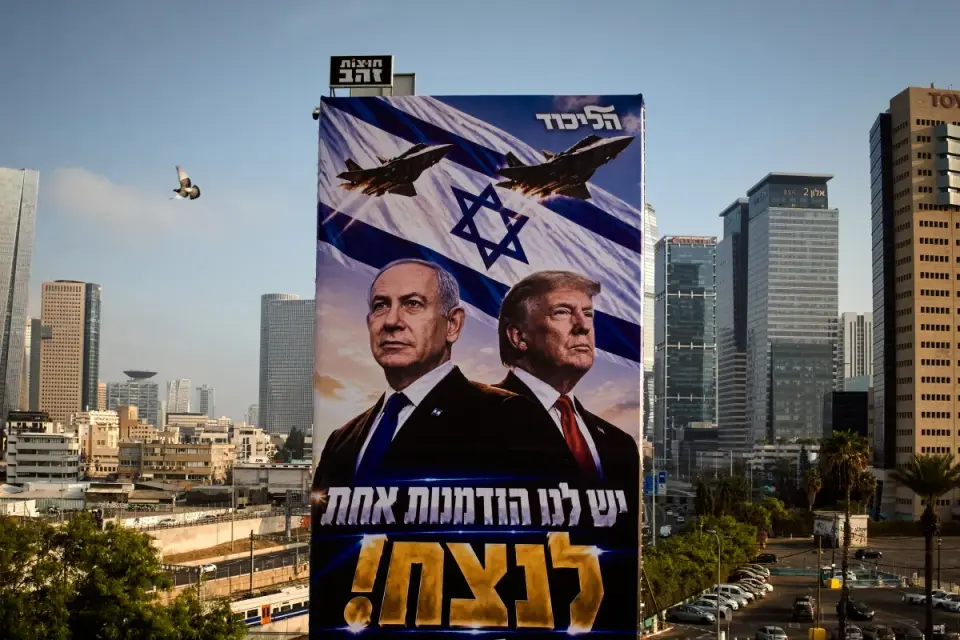
Israelis are set to vote Tuesday in a critical election, following reports that Prime Minister Benjamin Netanyahu clashed with military leadership over potential pre-vote actions against Iran. Netanyahu’s office and Defense Minister Israel Katz denied these claims as false, while opposition leader Gadi Eisenkot accused Netanyahu of prioritizing political survival over national security. The race is tight, with Netanyahu’s chances reduced to one in four, and his campaign utilized an AI-generated image of a nuclear blast to warn voters. Regional observers in Gaza and Iran expressed skepticism that any change in Israeli leadership would alter the ongoing conflict or regional violence.
Key points
- Reports from Channel 12 suggested Netanyahu instructed an action against Iran that the military chief of staff opposed, fearing it would reignite conflict before the vote.
- Netanyahu’s office and Defense Minister Israel Katz denied the reports, with Katz stating unequivocally that Israel had no intention of initiating an attack before the election.
- Opposition leader Gadi Eisenkot warned Netanyahu not to place political interests above state security, while Avigdor Lieberman demanded a criminal investigation for potential treason.
- The Atlantic reported that Netanyahu posted an AI-generated image of Tel Aviv destroyed by a nuclear blast on Instagram, framing the election as a choice between reelecting him or facing destruction.
- Polls indicate a tight race, with Netanyahu’s chances of remaining in power estimated at one in four, as he faces a diverse coalition of opponents including former prime ministers and generals.
- Palestinian residents in Gaza stated that no matter who wins, the situation will remain one of war and destruction, while Iranian officials dismissed the election as irrelevant to their regional security concerns.
Background
This election follows the October 7, 2023, Hamas attack, which sparked the Israel-Hamas war and broader regional conflicts. Recent weeks saw heightened tensions, including reports of oil tankers hit in the Strait of Hormuz and Netanyahu’s directives for regime change in Iran, which were constrained by US political considerations. The current vote is the first since the 2023 attacks, with deep divisions over Netanyahu’s accountability for the security failure.
How outlets are covering it
AP News focused on the denial of pre-election escalation reports and the opposition’s accusations of endangering regional stability for political gain. The Atlantic emphasized Netanyahu’s use of fear-based tactics, specifically an AI-generated nuclear blast image, and highlighted his 'Nixon-like' ability to reemerge despite formidable opposition. While AP noted the military-political rift, The Atlantic framed the situation as Netanyahu entering 'panic mode' with his chances reduced to one in four. Both sources agreed on the tight race and the significance of the vote, but differed in emphasis: AP on the immediate crisis of potential pre-vote strikes, and The Atlantic on the broader campaign strategy and polling dynamics.
Why it matters
The outcome will determine whether Netanyahu retains power or faces a change in leadership, with implications for Israel’s regional security policies and the ongoing conflict in Gaza. The pre-election tensions with Iran and the use of fear-based campaigning highlight the high stakes and deep divisions within Israeli society. Regional observers suggest that regardless of the winner, the immediate situation for Palestinians and the broader Middle East may not change significantly, as both sides share similar approaches to security and conflict.
What to watch
The election results will be announced Tuesday, determining the next prime minister and the direction of Israel’s foreign and security policy. If Netanyahu loses, a new government may emerge with different approaches to Iran and Gaza, though regional actors remain skeptical of immediate changes. The US midterm elections in November will also influence the timing and scope of any potential strikes on Iranian infrastructure, as Washington weighs political constraints against security goals.
- Opponents accuse Netanyahu of stoking tensions with Iran before Israel’s election AP News
- Netanyahu Goes Into Full Panic Mode The Atlantic
- With reports Netanyahu sought to attack Iran before elections, could vote be postponed? The Times of Israel
- Iran Divides Netanyahu and Challenger Eisenkot Before Vote Bloomberg.com
- IDF stops short of denying report Zamir, Netanyahu clashed over Iran strike before elections Yahoo
Want the full story? Read the original reporting
Read on AP News