
Oxford Street Goes Traffic-Free in £150m Revival Bid
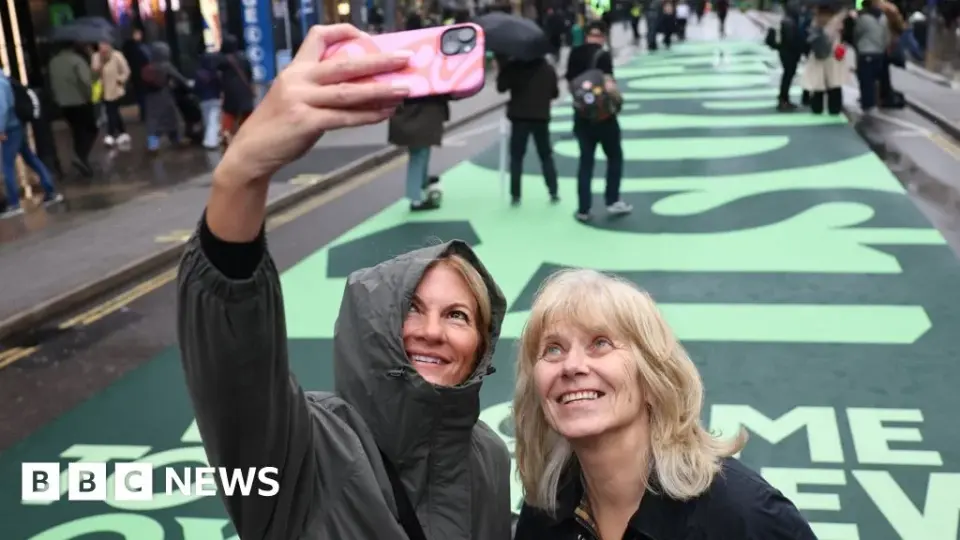
A 1km stretch of Oxford Street between Orchard Street and Great Portland Street became permanently traffic-free on October 26, 2026. The first phase of a £150m project bans cars, buses, taxis, and bicycles to revitalize the shopping district. While Mayor Sadiq Khan hailed it as a victory for public space, early enforcement challenges and accessibility concerns emerged.
Key points
- The pedestrianized zone spans nearly 1km, closing the area to all motor vehicles and cyclists.
- The project is the first phase of a multi-year transformation costing approximately £150m, funded by borrowing.
- Plans for 2027 include adding over 50 trees, 100 seats, two public squares, and improved lighting.
- Oxford Street attracts around 500,000 daily visitors but has suffered from store closures and economic decline.
- Emergency services retain access via multiple points, while bus and taxi ranks were relocated nearby.
Background
Oxford Street, known as the 'nation's high street,' has faced a decade of political debate regarding pedestrianization. Previous attempts were blocked by concerns over practicality and traffic displacement. The current project follows a 2026 approval by the London Assembly, aiming to reverse the street's decline since the pandemic and the arrival of competing retail formats.
How outlets are covering it
BBC reported on immediate enforcement issues, noting cyclists ignoring barriers and security staff shouting at riders. They also highlighted concerns from disabled advocates about relocated bus stops. ABC News emphasized the economic potential, citing £25bn in annual economic impact, and framed the move as part of Khan's 'greener' London agenda. NBC News focused on the long-term goal to rival global destinations like Times Square and noted the displacement of traffic to surrounding streets. Yahoo summarized the scope of the ban and the planned greenery. Critics, including Westminster Council, warned of potential noise and pollution issues in adjacent neighborhoods.
Why it matters
This move signals a significant shift in London's urban planning, prioritizing pedestrian space over vehicular traffic in a major commercial hub. It tests the feasibility of large-scale pedestrianization in a dense city and sets a precedent for future urban regeneration projects across the UK.
What to watch
The first phase is expected to be completed by spring 2027. Authorities will monitor traffic, noise, and accessibility issues to refine subsequent phases. Further pedestrianization of the wider Oxford Street is possible but contingent on the success of this initial test.
- Shoppers fill Oxford Street on first traffic-free day BBC
- London’s Oxford Street bans traffic as city tries to revitalize once grand shopping district Yahoo
- London's Oxford Street, Europe's busiest shopping street, goes pedestrian-only ABC News - Breaking News, Latest News and Videos
- Shoppers replace buses as London pedestrianizes part of Britain’s busiest shopping street NBC News
- We’ve made Oxford Street traffic-free – and that’s just the start. Soon there’ll be green spaces for arts and music too The Guardian
Want the full story? Read the original reporting
Read on BBC