
Israelis Vote in Deadlock as Trauma and Exile Shape 2026 Election
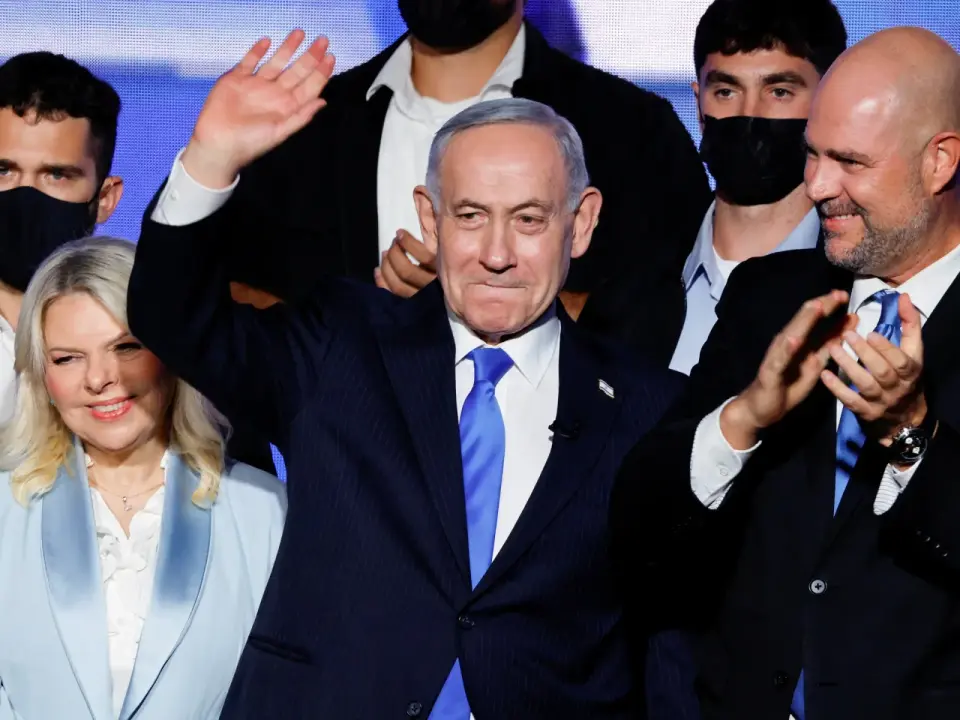
Israelis vote on October 27 in a tight race between Benjamin Netanyahu and Gadi Eisenkot, with neither side securing a clear majority. The election is defined by deep societal trauma, mass emigration, and institutional changes. While Netanyahu faces corruption charges and an ICC warrant, his opponents struggle to form a stable coalition. Tens of thousands of expatriates are returning to vote, and soldiers report severe mental health crises, highlighting a fractured society.
Key points
- The October 27 election is projected as a stalemate, with polls showing neither Netanyahu’s right-wing bloc nor Eisenkot’s centrist opposition reaching the 61-seat majority needed to govern. Arab and ultra-Orthodox parties are positioned as decisive kingmakers, though both major camps have historically excluded them from coalition talks.
- Netanyahu, Israel’s longest-serving prime minister, faces three corruption cases dating to 2019 and an outstanding International Criminal Court arrest warrant for war crimes in Gaza. His tenure is marked by the 2018 Nation-State Basic Law, which declares Israel the exclusive state of the Jewish people, and significant judicial reforms that critics call a coup.
- Tens of thousands of Israeli citizens living abroad are returning to vote, as Israel does not allow absentee voting. The America-Israel Democracy Coalition organized subsidized flights, while academic and tech conferences were timed to coincide with the election to facilitate voter return. Over 11% of the electorate lives abroad, and many fear the country is becoming undemocratic.
- The war following the October 7, 2023 attacks has caused severe psychological damage. Israeli Defense Minister Israel Katz reported a 40% increase in PTSD cases among soldiers since September 2023. A Knesset report found 279 soldiers attempted suicide between January 2024 and July 2025. Many reservists question the purpose of continued military service under the current government.
- Netanyahu’s supporters view him as a leader who delivers on security and ideological goals, while opponents cite corruption, social division, and international isolation as failures. The election outcome may not reverse deep institutional changes, as many of Netanyahu’s policies are now embedded in law, making reversal difficult for any incoming government.
Background
Previous coverage noted that polls indicated a likely stalemate, with Arab voter turnout becoming a decisive factor. Recent US diplomatic visits, including by Defense Secretary Pete Hegseth, highlighted the complex international dynamics surrounding the election. The opposition bloc, though united in opposing Netanyahu, remains ideologically fractured, with many leaders maintaining right-wing stances on Gaza and refusing to include Arab parties in future coalitions.
How outlets are covering it
Al Jazeera emphasizes Netanyahu’s long-term impact on Israeli institutions, highlighting his role in shifting the country rightward and empowering religious and extreme-right parties. The New York Times focuses on the electoral landscape’s stagnation, noting that despite wars and turmoil, the political map has barely changed, with a sense of resignation among Israelis. The New Yorker details the logistical and financial efforts of expatriates to return and vote, framing it as a critical democratic act. France 24 highlights the human cost of the war, focusing on the mental health crisis among soldiers and the societal trauma that has reshaped public attitudes toward the government and military service.
Why it matters
The election determines the future direction of Israel’s institutions, its relationship with the international community, and the trajectory of its conflict with Palestinians. The outcome will influence whether Netanyahu’s judicial and ideological changes are reversed or entrenched. Additionally, the high level of emigration and the mental health crisis among soldiers reflect a society in crisis, with potential long-term consequences for Israel’s stability and global standing.
What to watch
Coalition negotiations will begin immediately after the votes are tallied, with Arab and ultra-Orthodox parties likely playing a pivotal role in determining the government. The outcome will also influence international relations, particularly with the US and Europe, given the ongoing ICC warrant and ICJ genocide claims. The mental health crisis among soldiers and the broader societal trauma will likely remain a central issue for any new government, requiring significant policy attention.
- How Benjamin Netanyahu reshaped Israel’s institutions Al Jazeera
- Opinion | What the Israeli Election Won’t Change The New York Times
- Thousands of Israelis Are Flying Back to Vote The New Yorker
- ‘I killed lots of terrorists, but it didn’t make me feel better’: The trauma haunting Israel's elections France 24
- In Netanyahu stronghold, signs of fraying loyalty emerge before election AP News
Want the full story? Read the original reporting
Read on Al Jazeera