
Ukraine Confirms Strikes on Russian Missile Components, Chemical Plant, and Airfield
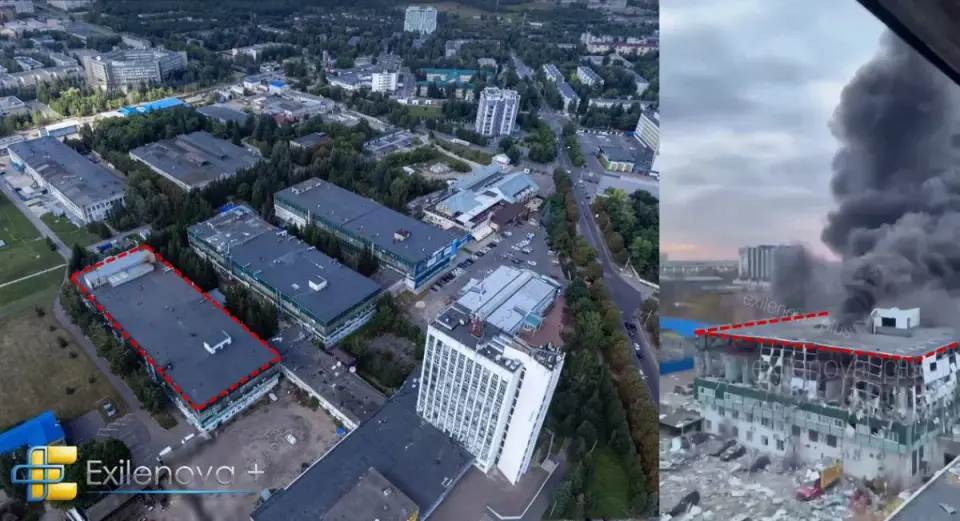
Ukraine’s General Staff confirmed overnight strikes on three key Russian targets: the Proton-Elektroteks plant in Oryol, the Tolyattikauchuk chemical complex in Samara region, and the Yeysk airfield in Krasnodar region. The Oryol attack damaged facilities producing microelectronics for S-71 cruise missiles and Iskander-M ballistic missiles. The Tolyattikauchuk strike caused explosions and fires at a site that manufactures synthetic rubber for solid rocket propellant. An aircraft was hit at Yeysk, a base for naval and tactical aviation. These strikes coincided with a widespread blackout in occupied Crimea, attributed to damage at the Taman substation in Krasnodar region.
Key points
- Proton-Elektroteks in Oryol was hit, damaging production of optoelectronic components for S-71 'Kover' cruise missiles and inverter-switches for 9M723 Iskander-M ballistic missiles.
- The Tolyattikauchuk plant in Tolyatti, Samara region, suffered explosions and fires; it produces synthetic rubber used in solid rocket propellant for Russian tactical and ballistic missiles.
- An aircraft stationed at the Yeysk airfield in Krasnodar region was struck; the extent of damage to the airframe is under assessment.
- The strikes coincided with a mass blackout across occupied Crimea, including Sevastopol and Yalta, following reported damage to the Taman substation in Krasnodar region.
- Ukraine’s General Staff stated the operations were conducted under Article 51 of the UN Charter to degrade Russian military manufacturing and aerial strike capacity.
Background
This operation follows a pattern of Ukrainian deep strikes targeting Russian military-industrial infrastructure. In mid-October, Ukrainian forces claimed to have destroyed six Su-34M bombers at the Borisoglebsk airfield in Voronezh region. Earlier in September, coordinated drone campaigns targeted airfields in Rostov and refineries in Yaroslavl and Samara, aiming to disrupt Moscow’s war logistics and energy revenue. The current strikes focus on rear-area facilities critical to missile production and aviation support.
How outlets are covering it
Kyiv Post and Ukrainska Pravda both relied on the General Staff of the Armed Forces of Ukraine for confirmation of the strikes, emphasizing the strategic importance of the Proton-Elektroteks and Tolyattikauchuk facilities. The Independent reported on the Tolyattikauchuk strike as a drone attack on a petrochemical plant, noting that the city is home to AvtoVAZ, Russia’s largest carmaker, and that the mayor confirmed damage to several industrial facilities. The Independent also highlighted the broader context of a prisoner exchange, where 270 servicemen were swapped between Russia and Ukraine, and the restoration of Starlink speeds after a week of throttling. While all sources confirm the strikes, Kyiv Post and Ukrainska Pravda focused on the military-industrial significance, whereas The Independent provided additional context on civilian impacts and diplomatic developments.
Why it matters
The strikes target critical components of Russia’s missile and aviation capabilities, potentially degrading Moscow’s ability to conduct long-range attacks on Ukrainian cities. The damage to Proton-Elektroteks affects the production of microelectronics for both cruise and ballistic missiles, while the Tolyattikauchuk strike impacts the supply of solid rocket propellant. The simultaneous blackout in Crimea suggests a coordinated effort to disrupt energy infrastructure, further straining Russia’s operational capacity. These actions reflect Ukraine’s strategy to degrade Russian military-industrial output and reduce the volume of standoff strikes ahead of winter.
What to watch
Ukraine may continue targeting rear-area military-industrial facilities to constrain Moscow’s operational stamina. Russia is likely to reinforce air defenses and repair damaged infrastructure. The prisoner exchange may set a precedent for future diplomatic engagements, while the Starlink speed restoration could improve Ukrainian military communications. The impact of the Crimea blackout on civilian and military operations will be assessed in the coming days.
- Ukraine Confirms Hits on Proton Plant, Tolyatti and Yeysk Airfield Kyiv Post
- General Staff: Ukraine strikes Tolyattikauchuk plant, missile component manufacturer and aircraft in Yeysk Українська правда
- Ukraine war live: Explosions rock Russian petrochemical plant hit by drones The Independent
- Missiles Strike Russian Oryol Proton Plant, Which Manufactures Electronics for Missiles Мілітарний
- Drones Hit Tolyatti Plant, Missiles Strike Oryol Defense Site Kyiv Post
Want the full story? Read the original reporting
Read on Kyiv Post