
Netanyahu's Hawkish Pivot Meets a Global Voter Exodus
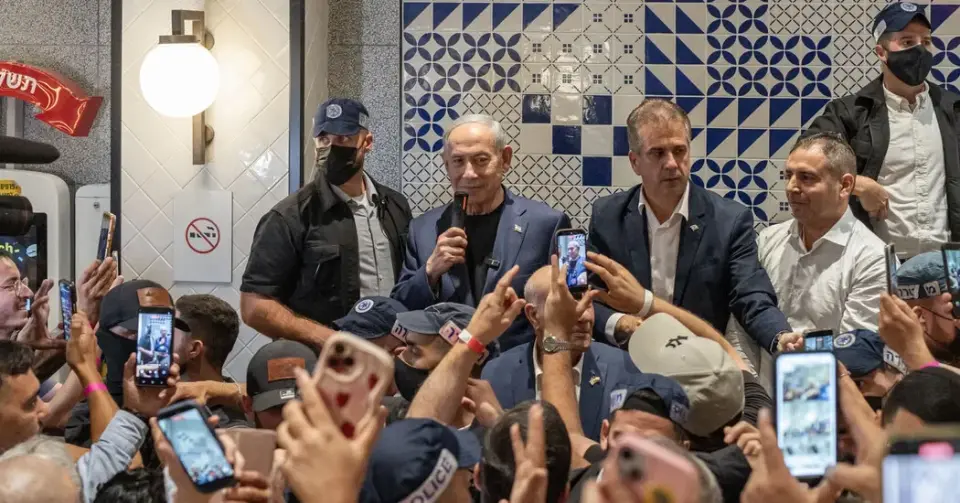
Israelis vote on Oct. 27 in a tight race between Netanyahu and Gadi Eisenkot, with overseas citizens flying home to vote and soldiers grappling with war trauma.
Key points
- Netanyahu, 77, seeks a fourth term after his 'Mr. Security' image was damaged by the Oct. 7, 2023, attacks.
- Polls show a deadlock between Netanyahu’s bloc and centrist rival Gadi Eisenkot, with Arab voter turnout potentially decisive.
- The AID Coalition’s 'Fly&Vote' initiative helps tens of thousands of overseas Israelis return to vote, as absentee ballots are not permitted.
- Israel faces a mental health crisis, with 40% more PTSD cases in the army since 2023 and 279 soldiers attempting suicide in 2024-2025.
- Likud has legally challenged the AID Coalition, alleging voter bribery, though the Central Elections Committee dismissed the case.
Background
Israel’s Oct. 27 election follows three years of war and internal strife. The Oct. 7, 2023, Hamas-led attacks killed 1,220 people and triggered a conflict in Gaza that has resulted in over 74,000 Palestinian deaths, according to Gaza’s health ministry. Netanyahu’s government has faced international isolation and a war crimes warrant from The Hague. Recent polls show a stalemate, with neither bloc securing the 61-seat majority needed to govern, making Arab voter turnout and overseas participation critical.
How outlets are covering it
The New York Times frames the election as a test of Netanyahu’s rebranding as a hawkish leader after his security reputation was damaged by Oct. 7. The Washington Post and The New Yorker emphasize the civic duty of overseas Israelis, who are flying home to vote against Netanyahu, viewing the election as a chance to restore democracy. France 24 highlights the psychological toll of the war, with soldiers and veterans struggling with PTSD and questioning the government’s leadership. While The New York Times focuses on Netanyahu’s political strategy, The New Yorker and The Washington Post stress the impact of emigration and the role of expatriates in the election. France 24 adds a human element, showing how the war has affected soldiers’ mental health and their trust in the government.
Why it matters
The election outcome will determine whether Netanyahu continues his tenure or if a new government emerges, potentially shifting Israel’s domestic and foreign policies. The high level of overseas voter participation and the mental health crisis among soldiers reflect the deep societal divisions and the long-term impact of the war. The tight race and the role of Arab voters underscore the complexity of Israeli politics and the potential for significant policy changes.
What to watch
The election results will be announced on Oct. 27, with coalition talks likely to follow. The outcome will depend on the turnout of Arab voters and overseas Israelis. The mental health crisis among soldiers and the public may influence future government policies on military service and social support. The international community will watch closely for any shifts in Israel’s foreign policy, particularly regarding Gaza and the broader Middle East.
- Netanyahu Has Reinvented Himself. Will Voters Think It’s Enough? The New York Times
- Opinion | Why I’m flying 6,000 miles to vote against Netanyahu The Washington Post
- Thousands of Israelis Are Flying Back to Vote The New Yorker
- ‘I killed lots of terrorists, but it didn’t make me feel better’: The trauma haunting Israel's elections France 24
- A deeply divided Israel prepares to vote The Economist
Want the full story? Read the original reporting
Read on The New York Times