
Israelis Vote in Pivotal Election Amid War, Judicial Fights, and Expatriate Rush
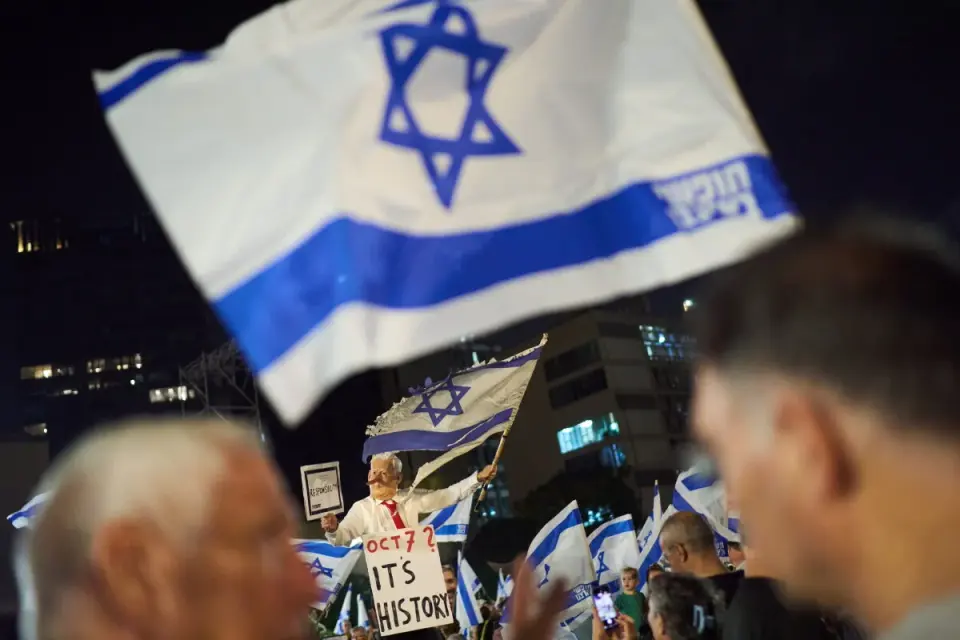
Israelis vote on October 27 in a critical election pitting Prime Minister Benjamin Netanyahu against former military chief Gadi Eisenkot. The race is defined by the aftermath of the October 7, 2023 attack, debates over judicial reforms, and military service exemptions. Tens of thousands of expatriates are returning to vote, fearing democratic erosion, while polls show a likely deadlock that could prolong political instability.
Key points
- The election is viewed as a referendum on Netanyahu’s leadership following the October 7 attack and three years of war in Gaza, Lebanon, and against Iran.
- Netanyahu’s coalition faces opposition from a bloc led by Gadi Eisenkot, who promises to end ultra-Orthodox military exemptions and repeal judicial reforms.
- Tens of thousands of Israelis living abroad are returning to vote, driven by concerns over democratic backsliding and the cost of the conflict.
- Polls indicate a likely deadlock, with neither bloc expected to secure the 61 seats needed for a majority, potentially leading to a caretaker government or a second election.
- The cost of living and military spending are significant concerns, though largely ignored by major candidates in favor of security and identity issues.
Background
This election follows a period of intense political polarization, including mass protests against Netanyahu’s 2023 judicial overhaul and the ongoing war in Gaza. Previous coverage noted President Isaac Herzog’s refusal to yield to external pressure regarding coalition formation and the surge in expatriate voters returning to influence the outcome. The 2026 vote is the first since the October 7 attack, which killed approximately 1,200 people and led to an international arrest warrant for Netanyahu.
How outlets are covering it
AP News highlights the lack of debate over wartime conduct in Gaza, noting broad support for military actions despite international condemnation, and emphasizes the focus on Netanyahu’s character and the judicial overhaul. The New York Times argues that Netanyahu’s resilience stems from a narrative of military triumphs and a 'deep-state' conspiracy theory that deflects blame for October 7, while also noting his unmovable core support. USA Today frames the election as a choice between two visions of Israel’s identity, contrasting Netanyahu’s hawkish, religiously conservative coalition with Eisenkot’s centrist, democratic bloc, and notes the potential for a minority government. The New Yorker focuses on the logistical and financial efforts of overseas Israelis to return and vote, highlighting the role of nonprofits like the AID Coalition and the fear of 'spiral collapse' if democratic institutions are further weakened.
Why it matters
The outcome will determine whether Israel continues its current military and judicial trajectory or shifts toward greater democratic oversight and diplomatic engagement. A deadlock could lead to prolonged political instability, while a change in government might alter the balance between security, religious, and secular identities. The election also has significant implications for the status of Palestinians in the West Bank and Gaza, as well as Israel’s international relations, particularly with the United States and the European Union.
What to watch
Voting takes place on October 27. If no coalition secures a majority, President Herzog will decide which party leader gets the first attempt to form a government. Failure to form a government could lead to a caretaker administration or a second election. The results will also influence the implementation of judicial reforms and the future of military service exemptions for ultra-Orthodox Jews.
- A look at the main issues in Israeli elections seen as a referendum on Netanyahu AP News
- Opinion | The Millions of Israelis in Netanyahu’s Corner The New York Times
- Israeli vote reckons with Oct. 7, Netanyahu, and future of Jewish state USA Today
- Thousands of Israelis Are Flying Back to Vote The New Yorker
- Who are the first time voters who could sway Israel’s election? The Forward
Want the full story? Read the original reporting
Read on AP News