
Israel’s 2026 Election Deadlock Leaves Netanyahu and Eisenkot Short of Majority
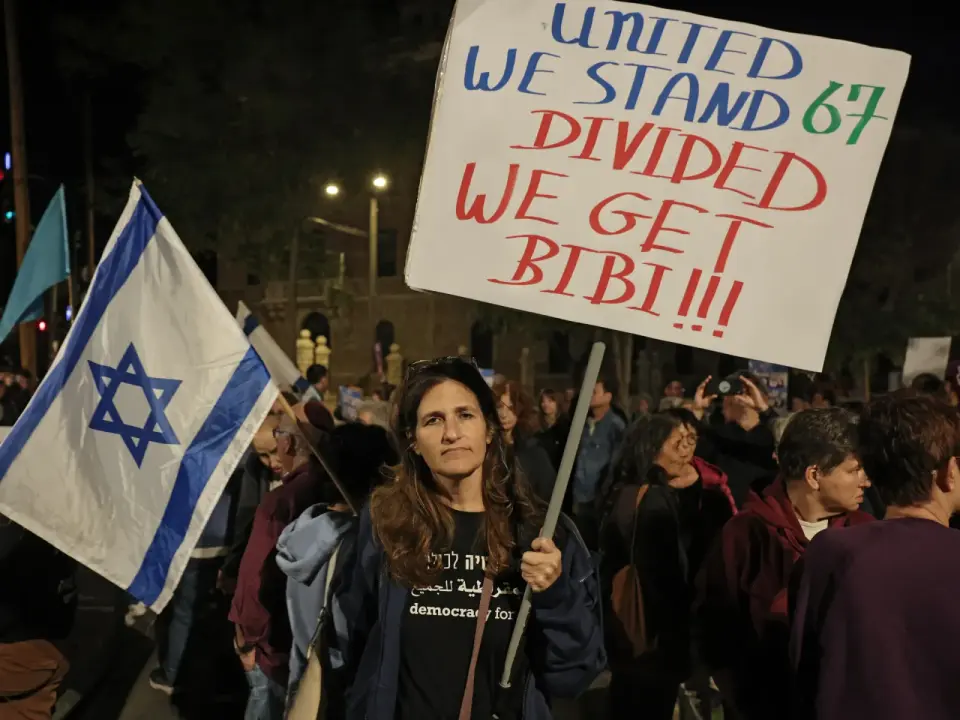
Israeli Prime Minister Benjamin Netanyahu’s coalition lost its parliamentary majority in the October 27, 2026, elections, but opposition leader Gadi Eisenkot also failed to secure the 61 seats needed to govern. With no clear winner, Israel faces weeks of complex coalition negotiations, potential minority governments, or a return to the polls.
Key points
- Netanyahu’s pro-government bloc won 53 seats, while Eisenkot’s opposition bloc secured 48 seats, leaving both short of the 61-seat majority required in the 120-seat Knesset.
- Arab-led parties won a historic 19 seats, positioning them as potential kingmakers who could support a minority government or block a coalition.
- President Isaac Herzog must officially certify results by November 4 and nominate a candidate to form a government by November 11, with a 28-day window for coalition building.
- If no government is formed within 42 days, a second candidate may try, followed by a third; failure could lead to new elections within 90 days.
- Netanyahu remains caretaker prime minister until a new government is formed, potentially extending his tenure even if he fails to lead the next coalition.
Background
Previous coverage from late October 2026 highlighted the same deadlock, noting that Arab parties’ historic 19-seat gain complicated coalition math and that Netanyahu accused them of fraud. Earlier analyses outlined four paths to government: a unity government, an opposition coalition with Arab support, a right-wing shift, or new elections. The current situation confirms these scenarios remain unresolved as negotiations begin.
How outlets are covering it
Al Jazeera emphasizes the procedural timeline and the risk of a minority government reliant on outside support, noting Herzog’s call for 'creative solutions.' The New York Times frames the situation as a test of Netanyahu’s political savvy, highlighting that Likud remained the largest party despite losing seats. The Atlantic focuses on the cultural and political shock in Tel Aviv, describing the election results as a failure of the liberal left and a setback for the 'change' bloc. AP News details the strategic options, including a potential unity government between Netanyahu and Eisenkot, which would require breaking previous vows, or a minority government backed by Arab parties, a path Eisenkot has previously rejected. AP also notes the risk of new elections if no coalition forms, which could benefit Netanyahu by allowing him to shore up his base.
Why it matters
The lack of a clear majority creates political instability in Israel, with potential for prolonged caretaker rule, a second election, or a controversial coalition that could reshape the country’s political landscape. The outcome will determine whether Netanyahu remains in power, whether a new government can address pressing issues like military exemptions and the economy, or if Israel faces further political fragmentation.
What to watch
President Herzog will certify results by November 4 and nominate a candidate by November 11. The candidate will have 28 days to form a coalition, with a possible 14-day extension. If no government is formed, a second and then a third candidate may be tried. If all fail, new elections could be called within 90 days. Netanyahu remains caretaker prime minister until a new government is formed.
- Israel election: When will government be formed, who will lead it? Al Jazeera
- Netanyahu’s Bid to Stay in Power Will Test His Political Savvy The New York Times
- The Bursting of the Tel Aviv Bubble The Atlantic
- Israel’s election results are in. Here’s what could happen next AP News
- Joint List, Ra'am to back Gadi Eisenkot for premiership as Isaac Herzog opens negotiations The Jerusalem Post
Want the full story? Read the original reporting
Read on Al Jazeera