
Israel’s 2026 Election: Youth Shift Right as Far-Right Leaders Seek Power
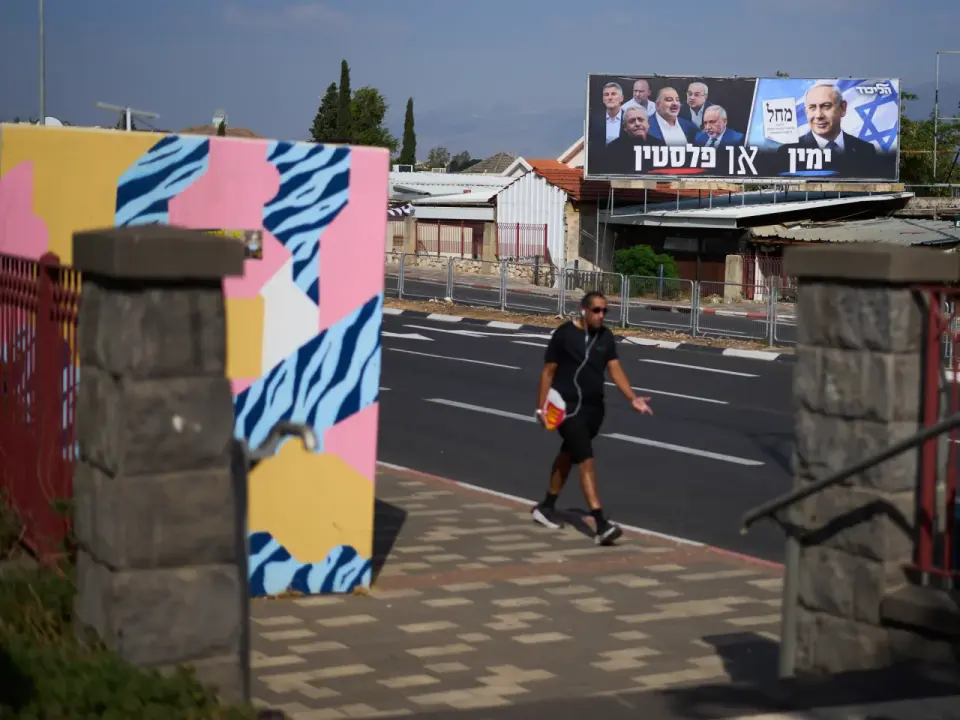
With over 500,000 first-time voters heading to the polls on October 27, Israeli youth are driving a significant rightward shift. Polls indicate nearly three-quarters of young Jewish voters identify as right or center-right, with 16% supporting far-right parties. This demographic trend empowers figures like Itamar Ben-Gvir, who seeks to force Prime Minister Netanyahu into a more hardline coalition. The election is deadlocked, with neither bloc securing the 61 seats needed for a majority, making Arab voter turnout and smaller factions decisive. While the opposition attempts to engage youth through social media, the far right has dominated the narrative on security and Palestinian policy, reflecting a broader societal shift toward ethnonationalism and away from peace negotiations.
Key points
- Over 500,000 first-time voters (aged 18-22) are expected to cast ballots, with 80% reporting high intent to vote.
- Channel 12 polls show 75% of young Jewish voters identify as right or center-right, significantly higher than the general population.
- Yedioth Ahronoth polls indicate 16% of first-time voters plan to support far-right parties, including Ben-Gvir’s Jewish Power and Smotrich’s Religious Zionism.
- Itamar Ben-Gvir aims to become Defense Minister, seeking to force Netanyahu into a full right-wing government to pursue annexation and Palestinian 'voluntary emigration'.
- The election is a stalemate; neither the pro-government nor opposition blocs have the 61 seats required for a majority, making Arab parties and smaller factions pivotal.
- Ben-Gvir has leveraged social media platforms like TikTok and Instagram to reach youth, outpacing traditional politicians in engagement.
Background
This election follows the 2022 vote and is the first since the October 7, 2023 Hamas attack and subsequent Gaza war. Previous polls (October 19-22) confirmed a deadlocked landscape, with neither bloc securing a majority. The current surge in far-right support among youth contrasts with global trends where young voters often lean left. The political environment has been shaped by years of conflict, the collapse of the Oslo process, and the mainstreaming of far-right policies by Netanyahu’s coalition, including the appointment of Ben-Gvir and Smotrich to key ministries.
How outlets are covering it
Al Jazeera emphasizes the 'Generation Right' label, highlighting how Ben-Gvir and Smotrich have mainstreamed far-right views through government positions and social media. It notes the role of fear and the October 7 attacks in shifting youth views. BBC focuses on Ben-Gvir’s popularity among youth, attributing it to his social media savvy and the impact of October 7, while also noting the tight race and the potential for a fragile coalition. Time Magazine provides a detailed profile of Ben-Gvir’s ambitions, including his desire to become Defense Minister and his plans for Gaza and the West Bank, framing the election as a test of his leverage over Netanyahu. The Guardian highlights the broader rightward shift, noting that even centrist parties align with the far right on Palestinian issues, and emphasizes the existential nature of the vote for democracy and peace. All sources agree on the significant rightward shift among youth and the deadlocked nature of the election, but differ in emphasis: Al Jazeera and BBC focus on the youth demographic and social media, Time focuses on Ben-Gvir’s policy ambitions, and The Guardian focuses on the broader political and democratic implications.
Why it matters
The outcome of the October 27 election will determine the direction of Israeli policy on Gaza, the West Bank, and relations with Palestinians. A victory for the far right could lead to annexation, expanded settlements, and the potential 'voluntary emigration' of Palestinians, deepening international isolation. The deadlocked nature of the election means that smaller parties and Arab voters will be decisive, potentially leading to a fragile coalition or a unity government. The rightward shift among youth signals a long-term change in Israeli society, with implications for democracy, peace, and regional stability. The election also tests the ability of the opposition to counter the far right through social media and youth engagement, a strategy that has so far been less effective than Ben-Gvir’s approach.
What to watch
The election will take place on October 27, 2026. The outcome will determine whether Netanyahu remains Prime Minister or if a new government is formed. If the far right gains significant seats, Ben-Gvir may push for a full right-wing government and the Defense Ministry portfolio. If the opposition gains ground, a unity government or a coalition with Arab parties may be possible, though this is considered unlikely. The election will also determine the future of Israeli policy on Gaza, the West Bank, and relations with Palestinians. The results will have implications for international relations, including relations with the US, Europe, and Arab states. The election will also test the ability of the opposition to counter the far right through social media and youth engagement, a strategy that has so far been less effective than Ben-Gvir’s approach.
- ‘Generation Right’: Israeli youth show strong support for the right Al Jazeera
- Israel's far right find fertile ground among first-time voters BBC
- Exclusive: Ben-Gvir’s Plan to Push Netanyahu Further Right Time Magazine
- Israel's Ben-Gvir poised for election gains as young voters turn to far right Reuters
- ‘There’s a lot of racism, a lot of hatred’: Far right gains predicted as Israel heads to the polls The Guardian
Want the full story? Read the original reporting
Read on Al Jazeera