
Israel's 26th Knesset Opens with Coalition Deadlock and Committee Battles
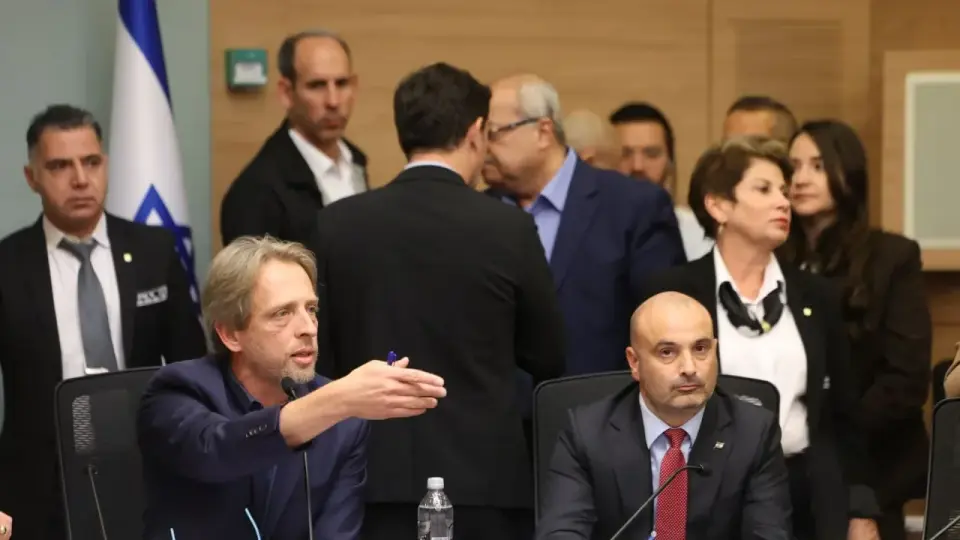
The 26th Knesset convened on November 11, 2026, with opposition leader Gadi Eisenkot holding the mandate to form a government. The opposition bloc won its first vote, securing control of the Arrangements Committee 63-50, but internal divisions over Arab party support and haredi coalition partners persist. Prime Minister Benjamin Netanyahu, leading a caretaker government, renewed calls for a unity government while attacking Arab lawmakers, prompting Eisenkot to cancel coalition talks.
Key points
- The Knesset approved the Arrangements Committee composition 63-50, giving the opposition bloc a majority; Yashar MK Roy Folkman will chair the 22-member body.
- Gadi Eisenkot canceled coalition negotiations with Likud after Netanyahu's speech attacking Arab parties, despite Netanyahu's renewed call for a 'unity government.'
- Internal tensions emerged within the opposition bloc, with Democrats leader Yair Golan reportedly preferring a minority government supported by Arab parties over a coalition with haredi parties.
- The Arrangements Committee approved Avigdor Liberman as head of the Foreign Affairs and Defense Committee and Liran Avisar Ben-Horin as head of the Finance Committee.
- Netanyahu's bloc criticized the opposition for voting with Arab parties, labeling them 'terrorist supporters,' while the opposition accused Likud of attempting to dilute Arab representation.
Background
Following the October 27, 2026, election, no bloc secured a majority, with Arab parties holding a record 19 seats. President Isaac Herzog tasked Gadi Eisenkot with forming a government on November 8, 2026, giving him 28 days to build a coalition. Netanyahu's bloc won 53 seats, while the Eisenkot-led bloc, including Arab parties, received 67 seats. The 2026 US midterm elections also triggered a bipartisan push to restrict US aid to Israel, adding external pressure to the domestic political deadlock.
How outlets are covering it
The Jerusalem Post and Ynetnews emphasize the disorder in the Arrangements Committee, including verbal attacks by Otzma Yehudit MK Tally Gotliv and Likud MK Almog Cohen against Arab MKs, and the subsequent removal of Gotliv. The Times of Israel focuses on the procedural victory of the opposition bloc in securing the Arrangements Committee, highlighting the rejection of Likud's proposal to dilute Arab influence. All sources agree on the 63-50 vote but differ in emphasis: JPost and Ynet highlight the inflammatory rhetoric and internal bloc divisions, while ToI frames the vote as a democratic milestone for the opposition. Netanyahu's call for unity is portrayed as a strategic move by Ynet and JPost, but as a contradictory stance by ToI, given his simultaneous attacks on Arab parties.
Why it matters
The outcome of the Arrangements Committee vote sets the stage for the formation of permanent Knesset committees, which will shape legislation on national security, military budgets, and conscription. The deadlock between the opposition and Netanyahu's bloc, compounded by the refusal of Jewish-led parties to partner with Arab parties, risks prolonging the caretaker government and delaying critical policy decisions. The internal divisions within the opposition bloc over haredi vs. Arab support could further fragment the coalition-building process, potentially leading to a second round of negotiations or a new election.
What to watch
The Arrangements Committee will finalize the composition of permanent Knesset committees, with the next plenum vote scheduled for the following Wednesday. Coalition negotiations between Eisenkot and haredi parties are expected to continue, while Netanyahu may attempt to form a unity government without dismantling his existing alliance. The High Court of Justice will rule on municipal tax discounts for those who have not regularized their military service status by November 25, 2026.
- Israel Election 2026 live updates The Jerusalem Post
- Knesset approves makeup of powerful Arrangements Committee 63-50, rejecting Likud bid to dilute Arab parties' influence The Times of Israel
- Netanyahu renews unity government call as Eisenkot bloc wins first Knesset test Ynetnews
- Eisenkot's bloc wins first Knesset vote, paving way to shape legislation The Jerusalem Post
- Day 1 of Israel's Knesset: Lawmakers Make First Key Step Toward Legislation Haaretz
Want the full story? Read the original reporting
Read on The Jerusalem Post