
Israel’s Herzog Tasks Eisenkot With Forming Government After Inconclusive Election
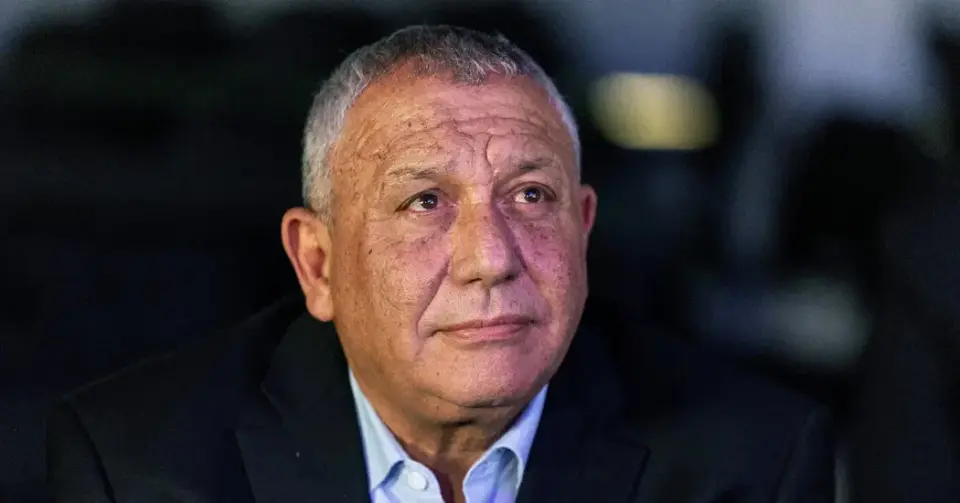
President Isaac Herzog has designated Gadi Eisenkot, leader of the center-right Yashar party, as the candidate to form Israel’s next government following the inconclusive October 27 election. Eisenkot, a former army chief, has 28 days, extendable by 14, to assemble a coalition. While he secured 67 recommendations from Knesset members, including support from Arab-led parties, he faces significant internal opposition to aligning with those parties and ultra-Orthodox groups. Prime Minister Benjamin Netanyahu, whose bloc lost its majority, is attempting to block the transition by demanding a national unity government and alleging the election was stolen.
Key points
- President Herzog chose Eisenkot over Netanyahu after consultations, citing Eisenkot’s broader support base of 67 members versus Netanyahu’s 46.
- Eisenkot’s mandate includes forming a 'national emergency government' quickly, with a deadline of 28 days plus a potential two-week extension.
- The Jewish opposition bloc holds 48 seats, but lacks a majority; Arab-led parties hold 19 seats and have signaled support from outside the cabinet.
- Netanyahu’s coalition collapsed from 68 to 53 seats, losing its parliamentary majority for the first time in years.
- Key obstacles include Avigdor Liberman’s refusal to join a government reliant on Arab support and ultra-Orthodox demands for military draft exemptions.
Background
This development follows the October 27, 2026, national election, which failed to produce a clear winner. Prior to this week, opposition leaders had united behind Eisenkot, while President Herzog began formal consultations on November 4. Earlier reports indicated that ultra-Orthodox parties were withholding recommendations to maximize bargaining power, and the opposition sought to replace the Knesset speaker to weaken Netanyahu’s caretaker authority. The election occurred against the backdrop of ongoing conflicts in Gaza and stalled nuclear talks with Iran.
How outlets are covering it
The New York Times highlights Eisenkot’s background as a career general and his party’s pivot toward international engagement. AP News emphasizes the fragility of the coalition, noting that while Arab parties support Eisenkot, internal opposition bloc members, particularly from Yisrael Beiteinu, reject such alliances. CNN focuses on the specific conditions Eisenkot has set for coalition partners, including recognizing Israel as a Jewish state and designating Hamas as a terrorist organization, which effectively excludes Arab parties from the cabinet. ABC News notes the broader context of the election, citing security issues and the war in Gaza as dominant campaign themes. All sources agree that Netanyahu is actively attempting to sabotage the coalition formation through public pressure and unsubstantiated claims of electoral fraud.
Why it matters
The outcome determines whether Israel’s longest-serving prime minister, Benjamin Netanyahu, will be ousted after losing his parliamentary majority. A successful coalition under Eisenkot could shift Israel’s domestic and foreign policy priorities, particularly regarding military service laws and relations with Arab-majority parties. Conversely, failure to form a government could lead to new elections in early 2027, prolonging political instability during a period of regional conflict.
What to watch
Eisenkot will receive the formal mandate on Sunday. He must negotiate coalition terms within 28 days. If he fails, the mandate passes to Netanyahu for another four weeks. If both fail, Israel will hold new elections in early 2027. The new Knesset will be sworn in on Tuesday, with the opposition aiming to replace the current speaker to gain legislative control.
- Who Is Gadi Eisenkot, the Israeli Tasked With Forming a Government? The New York Times
- Netanyahu rival given first chance at forming new government AP News
- In setback to Netanyahu, rival Eisenkot to be tasked with forming next Israeli government. But the path remains complicated CNN
- Netanyahu challenger Eisenkot to be tasked with forming new Israeli government ABC News - Breaking News, Latest News and Videos
- Will Eisenkot be able to form Israel’s next gov’t amid divided opposition? Al Jazeera
Want the full story? Read the original reporting
Read on The New York Times