
Israel’s Third October 7 Anniversary Marks a Tight Election and Deepening Security Dilemmas
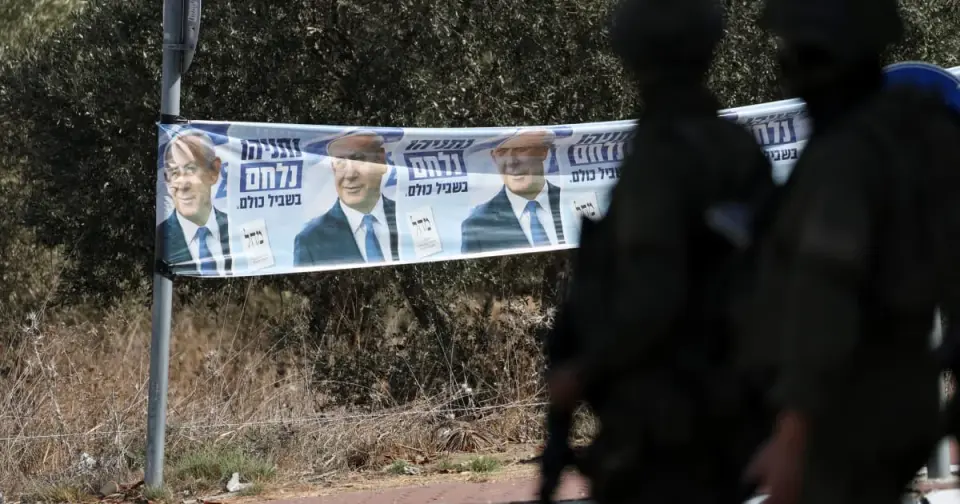
As Israel marks the third anniversary of the October 7, 2023 attacks, the nation faces a highly competitive election and a hardened security doctrine. While military capabilities have strengthened, international isolation and unresolved accountability issues persist, with polls showing a tight race between Prime Minister Benjamin Netanyahu and opposition leader Gadi Eisenkot.
Key points
- A recent foiled hijacking on a FlyDubai flight carrying Israelis has boosted public morale, serving as a metaphor for national resilience despite ongoing threats.
- The upcoming election is extremely tight, with no party holding a clear majority, potentially requiring a second round of voting if coalition talks fail.
- Israel’s security doctrine has shifted from deterrence to a proactive, capability-based approach, leading to significant military successes against Hamas, Hezbollah, and Iran’s nuclear program.
- Despite military gains, Israel faces growing international isolation and criticism, particularly in Europe and the United States, which may impact future military cooperation.
- The lack of an official national commission to investigate the October 7 failures remains a point of contention, with Netanyahu blocking such inquiries.
- The size of the military and the participation of ultra-Orthodox Haredi men in service are critical issues for the next government to address.
Background
This anniversary follows a period of intense conflict and shifting alliances. Previous coverage highlighted the divergent recovery paths between Israelis and Gazans, with over 1,400 Palestinians killed since the October 2025 ceasefire. Recent diplomatic tensions, such as Finance Minister Bezalel Smotrich’s threats regarding Sinai, have further strained relations with Egypt. The current election is seen as a referendum on Netanyahu’s leadership following the October 7 security failure, with victim families demanding an independent investigation that has been blocked by the current government.
How outlets are covering it
The Council on Foreign Relations (CFR) emphasizes the strategic shift in Israel’s security doctrine, noting that while military capabilities have improved, the country faces severe international isolation and a lack of official accountability for the October 7 failures. In contrast, The Jerusalem Post focuses on the immediate electoral dynamics, highlighting a Maariv poll that shows a tie between the coalition and opposition blocs at 52 seats each. The poll indicates that while Netanyahu’s Likud party gained ground, opposition leader Gadi Eisenkot maintains a lead in head-to-head comparisons. The CFR notes that the international criticism is unlikely to be resolved by a change in leadership, while the Jerusalem Post data suggests that voter motivation is higher among opposition supporters, potentially influencing the final outcome.
Why it matters
The outcome of the election will determine whether Israel continues its current security and foreign policy trajectory or shifts toward a new direction. The unresolved issues of international isolation and domestic accountability could have long-term implications for Israel’s relationships with key allies and its internal social fabric. The hardened security doctrine, while effective in the short term, may exacerbate tensions with neighboring countries and international partners, affecting future military and diplomatic cooperation.
What to watch
The next few weeks will be critical as the election approaches, with coalition talks potentially leading to a second round of voting if no majority is formed. The new government will need to address the size of the military and the participation of ultra-Orthodox Haredi men in service. International relations, particularly with the United States and European nations, will be closely watched to see if the current isolation and criticism translate into concrete delays or denials of military cooperation.
- At October 7 Anniversary, Israelis Face an Election and an Unfinished Reckoning Council on Foreign Relations (CFR)
- Coalition, opposition tie at 52 seats as Netanyahu's Likud gets closer to Eisenkot's Yashar - poll The Jerusalem Post
- Netanyahu's handling of Oct. 7 emerges as key issue in Israeli election PBS
- I24NEWS Poll: Netanyahu And Eisenkot Fall, While Bennett Rises| Full Poll i24NEWS
- The Israeli Elections Can’t Save Liberal Zionism Jewish Currents
Want the full story? Read the original reporting
Read on Council on Foreign Relations (CFR)