
Italy Passes Contested Electoral Reform Amid 'Scam' Protests
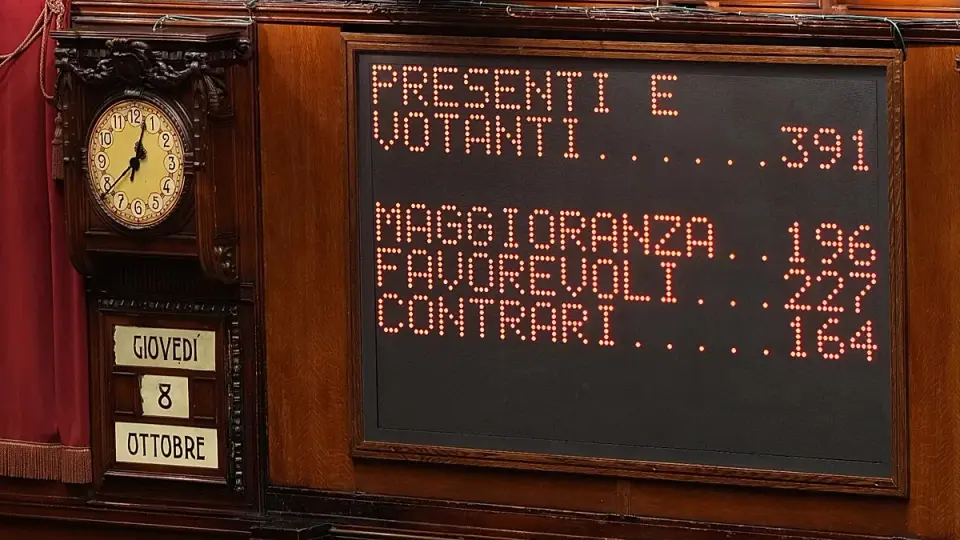
Italy's Chamber of Deputies approved a new electoral law, known as the Stabilicum, in a 227-164 secret ballot. The reform replaces the hybrid voting system with full proportional representation and grants a 105-seat bonus to any coalition securing over 42% of the vote. Prime Minister Giorgia Meloni framed the change as a stability measure, while opposition parties condemned it as a fraudulent maneuver to secure her re-election ahead of the 2027 general election.
Key points
- The new electoral law, dubbed the Stabilicum by supporters and the Melonellum by critics, passed the Chamber of Deputies with 227 votes in favor and 164 against.
- The reform introduces full proportional representation and awards a bonus of 105 seats (70 in the lower house, 35 in the Senate) to any coalition that secures over 42% of the vote.
- Prime Minister Giorgia Meloni threatened to resign if the bill failed, framing the vote as a test of her coalition's unity and a measure to ensure political stability.
- Opposition leaders, including Elly Schlein and Giuseppe Conte, condemned the law as a 'scam' and 'fraudulent' maneuver designed to protect the ruling coalition's power.
- The law raises the signature threshold for parties without parliamentary representation from 1,500 to 6,000 and requires coalitions to name a prime minister candidate before the election.
- The current legislature runs until September 2027, but speculation about an early election is circulating, though a vote before April 14, 2027, is considered unlikely due to pension eligibility rules for first-term MPs.
Background
Italy has a history of short-lived governments, and the current ruling coalition under Giorgia Meloni has become the longest-serving since World War II. The new electoral reform is seen as a critical step in shaping the political landscape for the 2027 general election, with significant divisions within the centre-left opposition over issues such as the war in Ukraine.
How outlets are covering it
Euronews and The New York Times emphasize the law's potential to ensure political stability and prevent government collapse, while The Guardian and BBC highlight the opposition's accusations that the reform is a 'scam' designed to secure Meloni's re-election. The New York Times notes the Constitutional Court's potential role in reviewing the law, while Euronews details the internal coalition tensions and the rise of far-right rival Roberto Vannacci. The Guardian points to a recent Ipsos Doxa survey suggesting the opposition could reach the 42% threshold if it overcomes internal divisions.
Why it matters
The approval of the electoral reform sets the stage for the 2027 general election and could significantly impact the balance of power in Italy. The law's provisions, including the bonus seats and signature thresholds, may influence the outcome of the election and the stability of the government. The opposition's vow to challenge the law in the Constitutional Court adds another layer of uncertainty to the political landscape.
What to watch
The next steps include potential challenges to the law in the Constitutional Court and the formation of alliances ahead of the 2027 election. Meloni has ruled out joining forces with National Future, while the opposition has yet to agree on a common leader. The political battle will likely intensify as the election approaches, with speculation about an early vote before April 2027 remaining unlikely.
- Italy approves Meloni's electoral reform in confidence vote ahead of 2027 election Euronews.com
- Italian opposition cries foul as Meloni’s electoral reform passed in secret ballot The Guardian
- Italy approves elections overhaul as opposition accuse Meloni of 'scam' law BBC
- Italy Weighs Controversial Law Giving Bonus Seats to Election Winners The New York Times
- Italy’s Giorgia Meloni forces through new electoral law ahead of vote; opposition cries foul NBC News
Want the full story? Read the original reporting
Read on Euronews.com