
Jamaica hosts first US third-country deportees amid fierce domestic and international debate
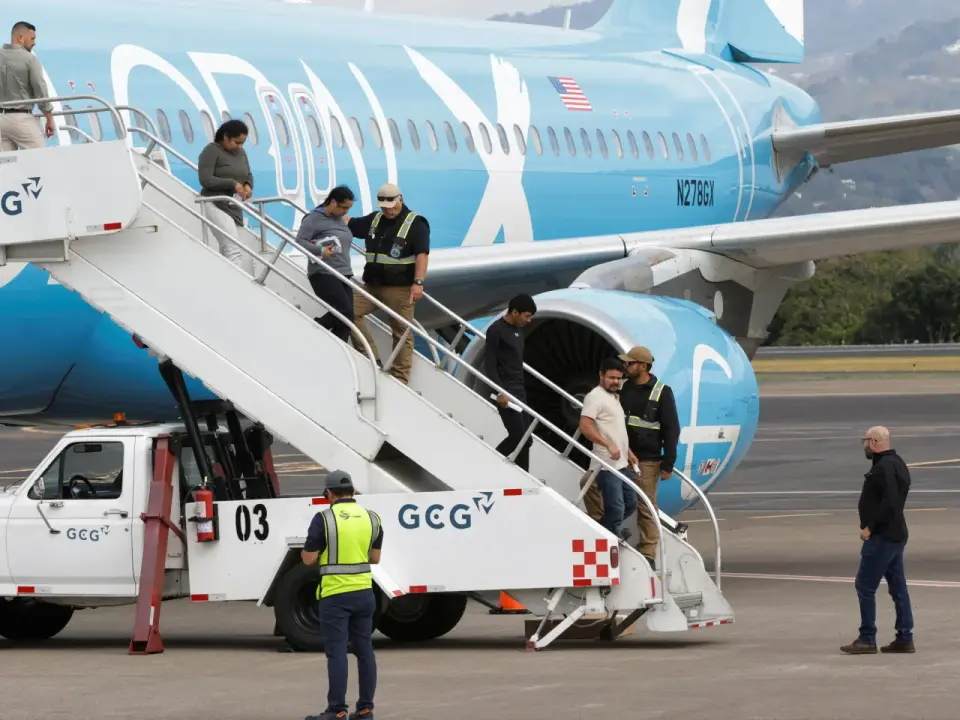
Jamaica received its first flight of 22 third-country deportees from the United States on October 14, 2026, marking the operational start of a bilateral transit agreement signed in June. The deportees, primarily from South America, were processed at Norman Manley International Airport and transported to an undisclosed location. While Jamaican officials emphasize the arrangement is a temporary, non-funded transit hub managed by the International Organization for Migration (IOM), the deal has sparked intense political opposition and transparency concerns. This move is part of a broader US strategy involving at least 35 countries, despite ongoing legal challenges and international rejections from nations like Burkina Faso and Nigeria.
Key points
- Twenty-two non-citizen deportees arrived in Jamaica on October 14, 2026, as the first cohort under a bilateral memorandum of understanding signed in June.
- The deportees, described as mostly South American adults, were quickly processed and transported by bus to an undisclosed location, with media access restricted.
- Jamaican authorities state the arrangement is a temporary transit hub, not a permanent destination, and will not be funded by the Jamaican government.
- The International Organization for Migration (IOM) is responsible for housing and logistics, using its Assisted Voluntary Return program.
- Jamaica has pledged not to accept deportees with criminal records, a distinction emphasized by Foreign Minister Kamina Johnson Smith.
- The program is part of a larger US initiative involving at least 35 countries, with the US government having earmarked approximately $410 million for such efforts.
Background
This development follows a series of legal and humanitarian controversies surrounding the US third-country deportation program. In September 2026, a federal appeals court ruled the policy unlawful due to lack of due process, though the administration appealed. The Supreme Court subsequently halted due process protections and set a December hearing, allowing the program to resume. Previous reports have detailed the experiences of over 25,000 deportees sent to nations like the Central African Republic and Ghana, where they faced detention, violence, and legal limbo. The program has been criticized for sending migrants to countries with human rights abuses or ongoing conflicts, often as a tactic to instill fear and bypass legal protections.
How outlets are covering it
Jamaican government officials, including Foreign Minister Kamina Johnson Smith, defended the agreement as a necessary transit arrangement that protects Jamaican security and does not involve criminal deportees. They emphasized that the US has not agreed to make the deal public, but that all questions have been answered. In contrast, Jamaican opposition leaders, such as Fitz Jackson and Mark Golding, condemned the deal as a 'secret document' that bypasses parliamentary debate and threatens public security. They questioned the tangible benefits for Jamaica and the lack of transparency. International perspectives vary significantly: while Jamaica has accepted the role, countries like Burkina Faso and Nigeria have firmly rejected US requests, with Burkina Faso's foreign minister stating the country is 'not a land of deportation' and Nigeria's former foreign minister declaring that 'that ship has sailed.' Human rights groups and legal advocates in the US continue to challenge the program's legality, arguing it violates due process and international law.
Why it matters
The arrival of the first third-country deportees in Jamaica highlights the expanding scope and contentious nature of the US deportation strategy. It underscores the geopolitical and humanitarian implications of using third countries as transit hubs, raising questions about sovereignty, transparency, and the rights of migrants. The strong opposition from both Jamaican domestic politics and international partners like Burkina Faso and Nigeria signals a growing resistance to the program, which could influence future US negotiations and the outcome of the pending Supreme Court case. The program's continued operation, despite legal challenges, reflects the administration's commitment to mass deportation, potentially setting a precedent for future immigration policies.
What to watch
The next steps include the ongoing legal challenges in the US, with the Supreme Court hearing scheduled for December 2026. The administration is expected to continue its appeals against the lower court ruling. In Jamaica, the government will likely face continued political pressure to disclose the terms of the agreement and justify the arrangement. International reactions may also evolve, with other countries potentially reconsidering their positions on third-country deportations. The fate of the 22 deportees in Jamaica will be closely monitored, as they are expected to be transferred to their home countries or other destinations. The broader impact on US immigration policy and international relations will depend on the outcome of the legal battles and the responses from other nations.
- Jamaica accepts first flight of third-country deportations from US Al Jazeera
- Jamaica begins receiving third-country deportees under controversial U.S. agreement NBC News
- Trump destroys the American dream by deporting immigrants to a Caribbean island, but these African countries resist his third-country plan Business Insider Africa
- Jamaica receives 22 TCNs, mostly from Latin America Jamaica Observer
- Jamaica Third Country Deportations The Batesville Daily Guard
Want the full story? Read the original reporting
Read on Al Jazeera