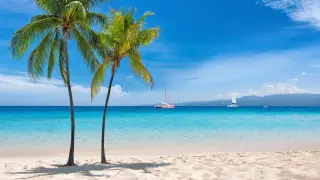
According to the Global Peace Index 2026, Jamaica is the Caribbean’s most peaceful nation (70th globally), with strong safety scores and lower conflict, inviting travelers to enjoy beaches like Seven Mile Beach and Frenchman’s Cove and iconic falls such as Dunn’s River Falls and Island Gully Falls.
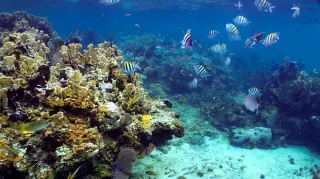
Jamaican researchers are testing underwater speakers that play healthy reef sounds to attract fish to bleached corals, following a similar Great Barrier Reef study that boosted fish on sound-equipped artificial reefs; the effort also involves 3D-printed artificial reefs and lab-grown coral with the Alligator Head Foundation, but it's too early to know if Jamaica will see recovery, and volunteers can support via the foundation.
The United States is in talks with Jamaica about relocating third-country migrants there, highlighting a growing Caribbean rift over migration policy as governments navigate deportation practices and relations with Washington amid immigration enforcement.
Jamaica and the United States are set to discuss a Third-Country Nationals (TCN) agreement that would permit the transfer of up to 25 non-Jamaicans every two weeks to Jamaica for an unspecified period, potentially reaching about 10,000 individuals. The arrangement would be case-by-case, exclude unaccompanied minors, Jamaicans, and those with serious criminal records, and require documentation and adherence to the 1951 Refugee Convention; Jamaica could accept more or fewer cases at its discretion, and either side can end the pact with 90 days’ notice. The U.S. would not create financial obligations but may fund services via an international organization, with deportees arriving at Kingston and subject to U.S. and Jamaican processes. The idea follows previous, controversial TCN transfers and would be discussed in talks between Kingston and Washington.
Coastal communities across Jamaica, including Mammee Bay and Blue Lagoon, are mounting court challenges to reclaim publicly accessible beaches that have been fenced off for private resort development, branding the model “plantation tourism” and warning it echoes colonial land dispossession. The government advocates reforms, such as new beach-access policies and the Narra Act to speed resilience-building, but activists argue these measures still permit restricted access and private corridors to the sea, potentially undermining long-standing public rights and local livelihoods tied to the coast.
More than 40 elderly people have been reported missing to Jamaica's police since January, with cases spanning multiple parishes. Families endure long, hopeful searches aided by flyers, social media, and police canines, but most tips have yielded no breakthroughs. A few cases have been resolved—two reunifications and one death—and the story underscores dementia as a key factor driving such disappearances and the need for improved elder-safety measures.
A widespread power outage left Jamaica without electricity, with authorities assessing the cause and working to restore service; the provided excerpt does not include further details on the scope or impact.
Kari Lake, the Trump-era official who led a bid to dismantle the U.S. Agency for Global Media, was nominated to be the United States’ ambassador to Jamaica. Her tenure at USAGM sparked legal battles, including a federal judge ruling her actions illegal and that she lacked proper authority to shut down the agency, and the post now awaits Senate confirmation as Jamaica has not had a permanent U.S. ambassador since Biden’s presidency.
A Jamaican teenager has become the first patient to receive a kidney transplant performed remotely by a U.S. hospital team, highlighting a milestone in telemedicine-enabled transplant surgery and potentially expanding access for patients in low-resource settings.
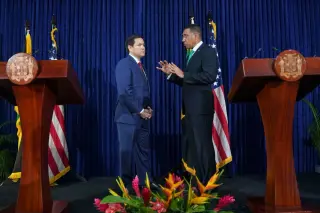
At CARICOM, Jamaica’s Prime Minister Andrew Holness urged a clear, humane approach to Cuba, noting the region’s reliance on Cuban doctors and teachers while calling for democracy and humanitarian relief; a Miami Republican congressman condemned his stance, underscoring the Caribbean’s delicate balancing act as leaders seek stability without abandoning democratic principles.
Renowned reggae drummer Sly Dunbar, half of the influential Sly & Robbie duo, has died at 73 in Jamaica. A prolific session musician and producer, he played on Marley tracks and helped shape reggae's sound, later producing for Grace Jones, Bob Dylan and many others, with some estimates placing his involvement in over 200,000 recordings.
Caribbean cannabis growers in Antigua and Jamaica are expanding licensed cultivation, developing multiple strains with medicinal value, and lobbying for full legalisation to enable regulated production and export. The industry faces high costs and regulatory hurdles, but governments are building frameworks and training programs to curb illicit trade, boost research, and keep profits local, with possible cross-border opportunities if US policy shifts allow imports.
Jamaica reports low flu vaccine uptake despite influenza and SARI levels remaining at seasonal norms, with no reported deaths so far this season. Health officials urge vigilance due to the aggressive flu strain in the US and ongoing travel, emphasizing the importance of vaccination, hygiene, and routine health checks to mitigate risks. Regional health authorities are coordinating outreach and monitoring vaccine distribution, with no shortages reported.
Less than 1% of Jamaica's coastline is accessible to locals due to privatization driven by laws and private developments, leading to community displacement and loss of cultural ties; residents and activists are fighting for the repeal of laws to restore public access, while responsible tourism advocates support visiting public beaches and supporting local businesses.
The Jamaican Ministry of Health and Wellness assures the public that the chemicals used in mosquito fogging are safe and approved by the WHO, emphasizing that the method is necessary to control mosquito-borne diseases post-Hurricane Melissa, with minimal health risks when used as directed.